



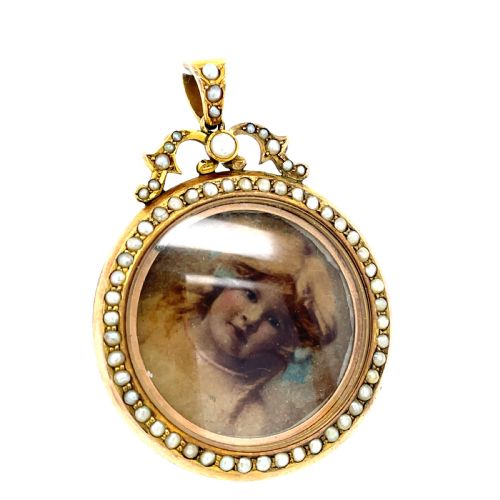
Edwardian Picture Pendant
An Edwardian picture pendant is a miniature frame worn close to the heart, offering a tangible link to people and stories from a century past.
Edwardian Picture Pendant
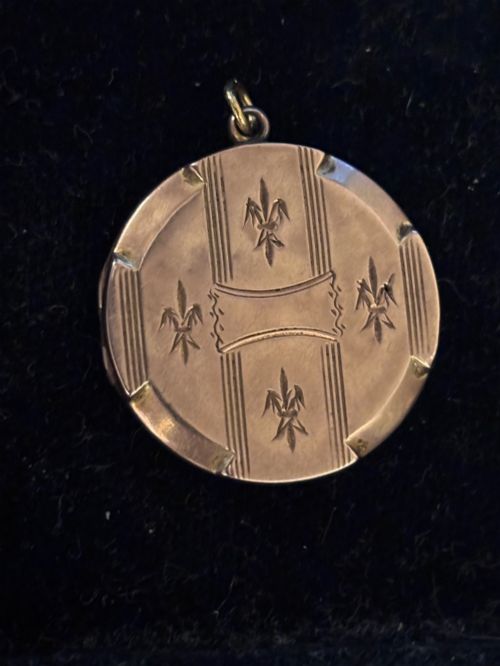
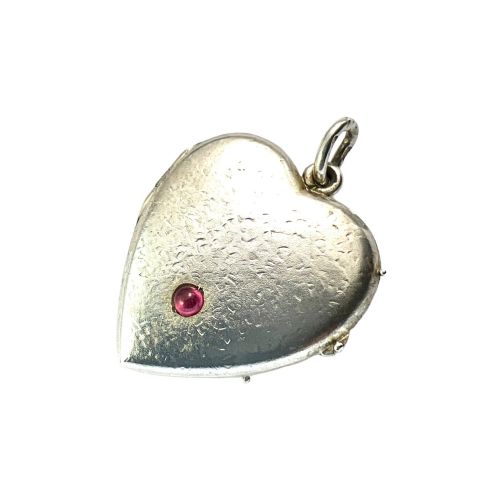
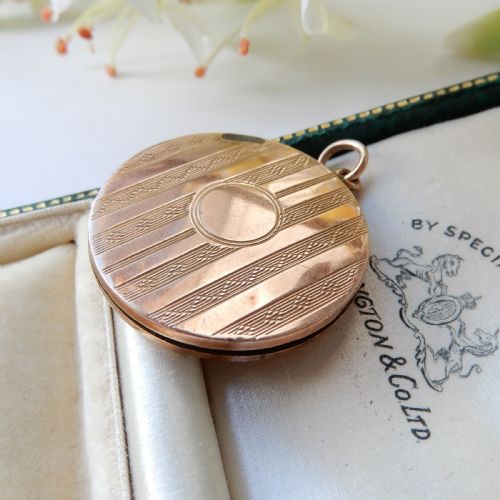
An edwardian picture pendant is a hinged or folding frame designed to hold miniature photographs, locks of hair, or small mementos. These pieces take various forms, ranging from simple round or oval lockets to more elaborate book and heart shapes.
The pieces on this page span several eras and styles, including Edwardian, Victorian, French Victorian, and French Belle Epoque designs. While the search phrase focuses on the Edwardian period, listings also encompass items from the nineteenth century through to the mid-twentieth century.
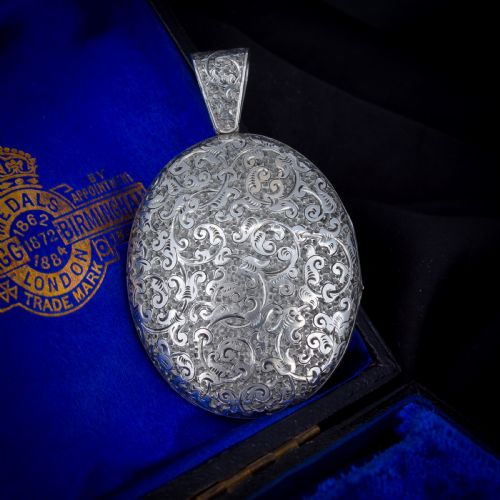
Forms include standard lockets, open photograph pendants, and secret lockets with filigree or engraved outer shells. Many incorporate spaces for multiple photographs, allowing families to carry several portraits within a single piece of jewellery.
How they were made
Makers utilised a range of metals, including nine-carat gold, eighteen-carat yellow gold, sterling silver, rolled gold, and standard yellow gold. Back and front construction methods were common, pairing precious metal fronts with durable backing plates to provide structural strength.
Surface decoration relies on traditional techniques such as hand engraving, ornate filigree wirework, and the setting of small diamonds or emeralds. Glass elements protect the internal photographs, sometimes faceted to catch the light.
Edwardian Picture Pendant Retail Price Guide 2026
Typical asking prices for edwardian picture pendant among the pieces listed under this phrase on Sellingantiques today, from the lower quarter to the upper quarter. They describe what is for sale here now, not the wider market.
What varies in quality
Quality differences stem from the depth of hand engraving and the complexity of the metalwork, such as intricate floral baskets, swallow birds, or sunburst motifs. Simpler, plain surfaces contrast with heavily detailed pieces that require greater skill from the artisan.
The choice of materials also defines the tier of a piece, with solid eighteen-carat yellow gold and diamond-set mountings occupying the upper range, while rolled gold and standard metal examples represent more accessible manufacturing methods of their time.
The Edwardian Picture Pendant Glossary
- Locket
- A small ornamental pendant that opens to reveal a space for a photograph or keepsake. These items are typically secured with a tiny hinge and a snug snap closure.
- Filigree
- Delicate jewellery work consisting of twisted threads, usually of gold or silver, soldered together to create openwork patterns. This technique produces a lace-like visual effect.
- Back and front
- A method of construction where only the exterior visible plates are made of solid gold, while the internal layers utilise base metal for structural reinforcement. This technique lowered production costs while maintaining a precious exterior.
- Rolled gold
- A material made by fusing a thin sheet of gold to a base metal core under heat and pressure. It offers a thick layer of gold compared to standard plating.
- Belle Epoque
- A period of ornate, elegant design spanning the late nineteenth and early twentieth centuries. Pieces from this era often feature light, flowing lines and fine gemstone settings.
Edwardian Picture Pendant: Frequently Asked Questions
How do I open an edwardian picture pendant?
Most examples feature a small fingernail notch or a side hinge that allows the covers to swing outward. Care must be taken with older hinges to avoid applying undue pressure.
Internal frames or glass covers often lift out or slide to secure the photograph in place without the need for modern adhesives.
Can I put modern photographs inside?
Original photographs or paper inserts can be measured and used as templates for modern printing. Standard printer paper or thin photo stock works best for trimming down to size.
Scissors and a fine template ensure the portrait fits snugly behind the glass or within the metal bezel without bending.
How do I clean my silver or gold locket?
Gentle wiping with a soft, dry microfibre cloth removes everyday oils and dust from the metal surface. Avoid harsh chemical dips, especially if the piece contains glass or delicate internal paper photographs.
Professional jewellery cleaning is recommended for heavily engraved or stone-set pieces to protect the intricate details.
Are these pendants suitable for daily wear?
While these items were built to be worn regularly, their age requires mindful handling during physical activities. Hinges and glass panes are delicate components that benefit from occasional checks by a jeweller.
Removing the pendant before swimming or sleeping helps preserve the integrity of the metal and any historic engravings.