

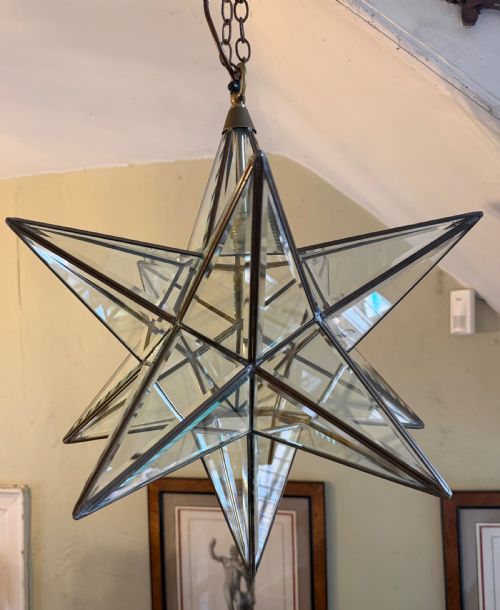
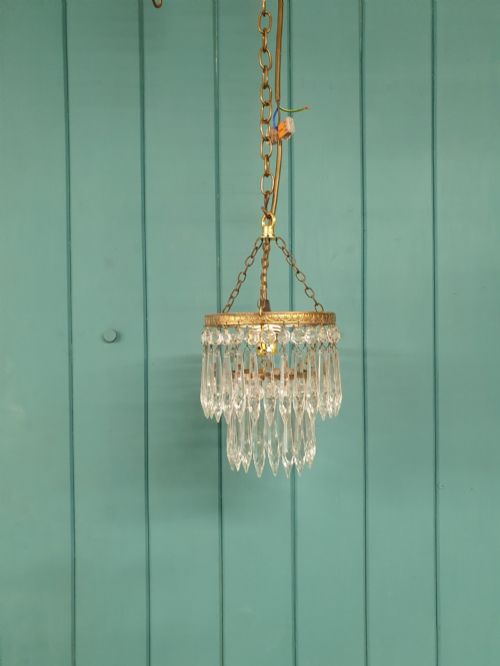
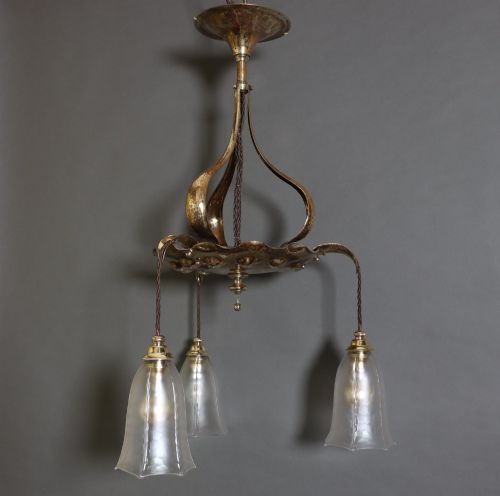
Edwardian Pendant Light Fixture
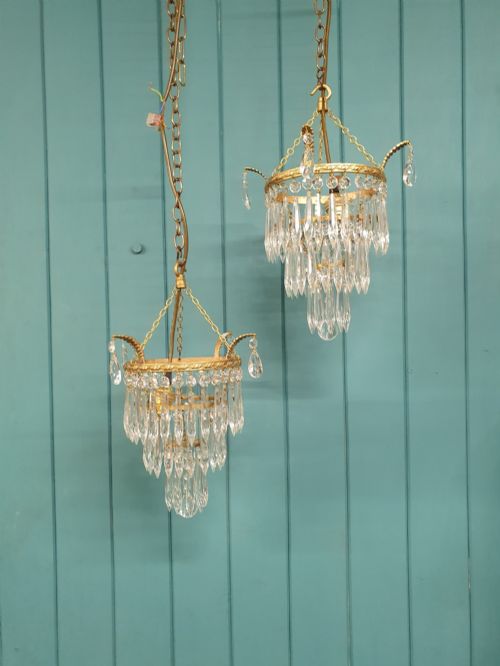
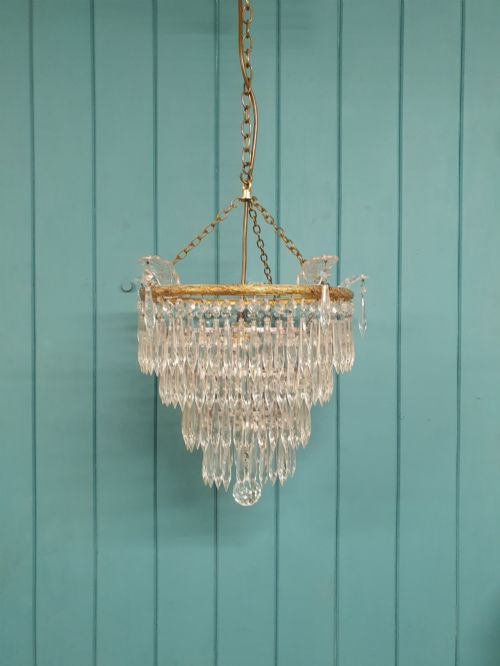
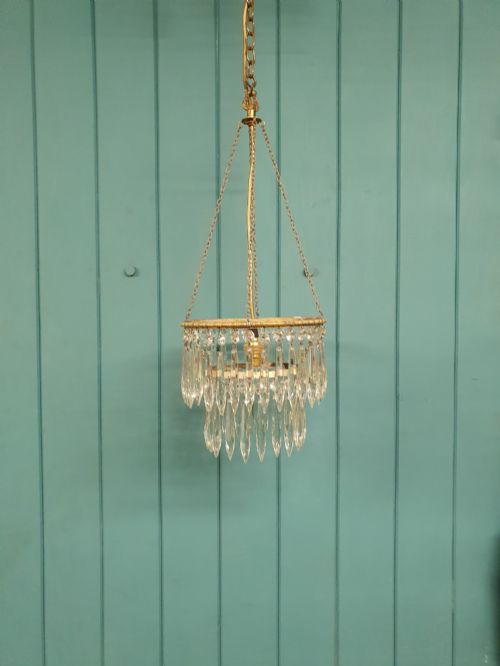
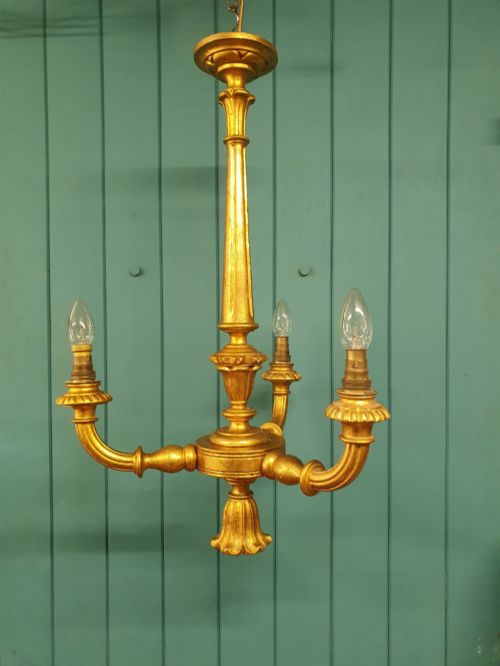
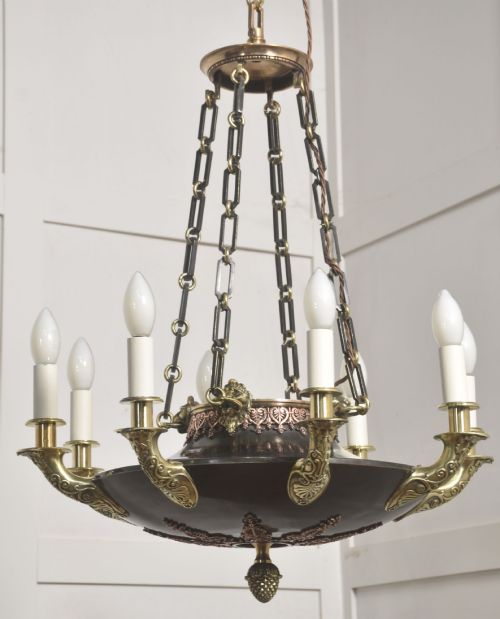
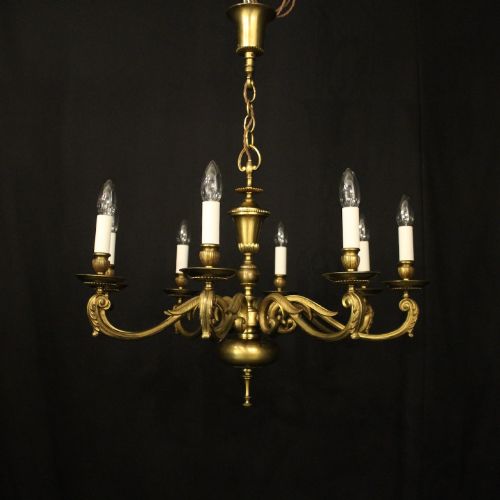
These Edwardian pendant light fixtures illuminate period interiors with brass frames and cut glass crystals.
Edwardian Pendant Light Fixture
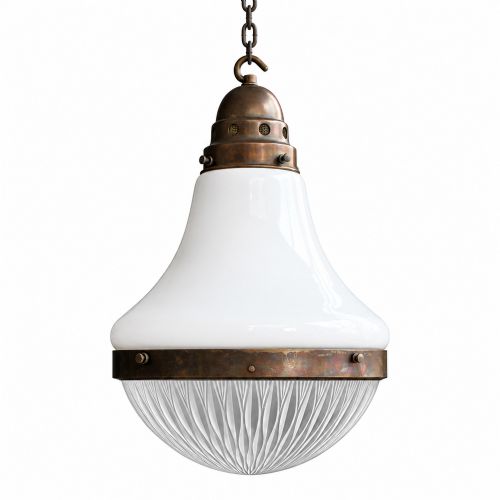
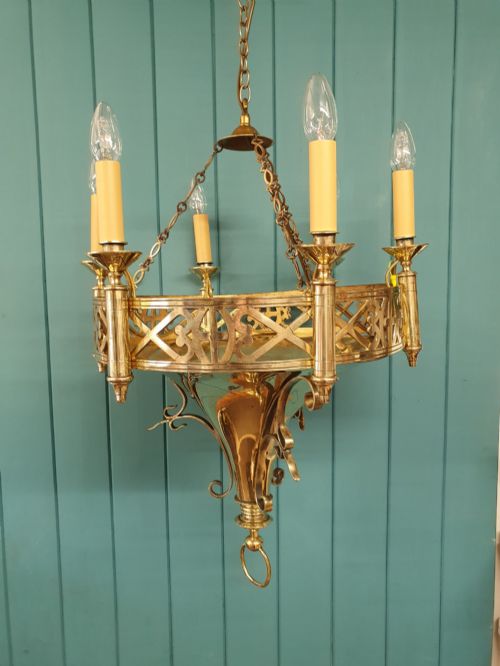
An edwardian pendant light fixture brings decorative ceiling illumination to period spaces, taking the form of hanging lanterns, multi-arm chandeliers, and plafonniers. These fixtures suspend directly from ceilings to cast light downwards across hallways, porches, and rooms.
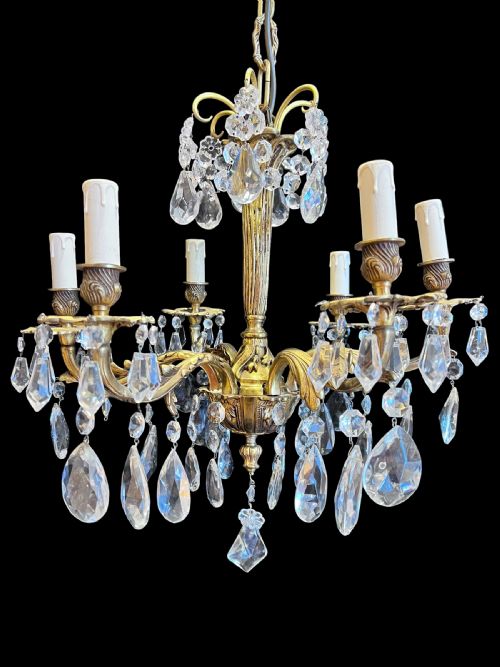
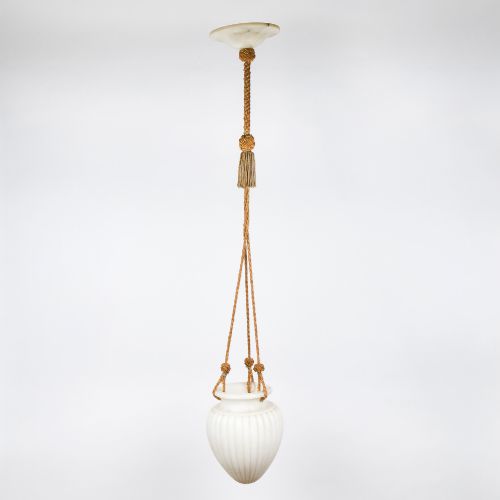
The selection on this page centres primarily on pieces from the Edwardian era and the early twentieth century, alongside Victorian and nineteenth-century examples. Common configurations range from simple brass frames holding moonstone glass to elaborate multi-light chandeliers adorned with cut glass crystals.
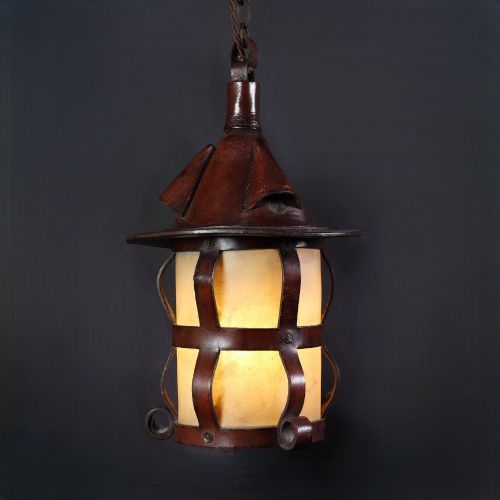
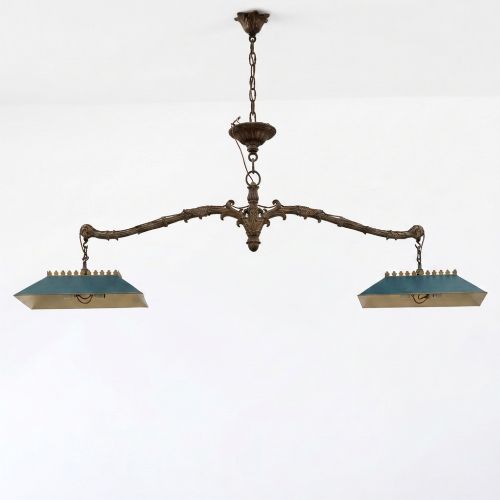
Buyers encounter distinct forms such as hexagonal brass lanterns, dome top chandeliers, and basket lights. Each variant serves a specific functional purpose within a period interior, from task lighting over billiard tables to ambient illumination in entrance halls.
Materials and Construction Techniques
Makers constructed these fixtures using robust metals including cast and gilded brass, bronze, copper, and silver-plated brass. Metalwork forms the structural skeleton, often shaped into detailed frames, decorative leaf motifs, or lion masks.
Glass is integral to the construction, appearing as cut glass crystal, bevelled panels, leaded stained glass, and white alabaster or moonstone. Components such as coffin prisms and hanging lustres refract the light, while metal framing secures each glass element firmly in place.
Listings feature brass and bronze edwardian pendant light fixtures alongside glass variants from the nineteenth and early twentieth centuries.
Distinctions in Quality and Execution
Quality reveals itself in the crispness of the metal casting and the depth of hand-finishing on brass and bronze components. Finer examples display meticulous detail in decorative elements like leaf work and cast mounts, whereas simpler pieces rely on plain spun metal or basic frames.
The choice and treatment of the glass dictate the visual impact of the fixture. Heavy cut glass crystal and carefully leaded stained glass panels represent a higher standard of manufacture compared to standard pressed glass shades.
The Edwardian Pendant Light Fixture Glossary
- Plafonnier
- A bowl-shaped ceiling light that fits closely to the ceiling rather than hanging on a long chain.
- Coffin prisms
- Long, narrow glass drops with a faceted surface used on chandeliers to refract light.
- Hall lantern
- An enclosed hanging light designed specifically for entranceways and narrow passages.
- Moonstone glass
- An opaque, milky glass type that softens light diffusion without severe glare.
- Lustre
- A hanging glass pendant or drop attached to a chandelier to catch and reflect illumination.
Edwardian Pendant Light Fixture: Frequently Asked Questions
Where should I hang an edwardian pendant light fixture?
These fixtures suit entrance halls, stairwells, and high-ceilinged rooms where suspended lighting provides a central focus. Smaller variants work effectively in porches or secondary corridors.
Ensure the hanging height allows adequate clearance beneath the fixture for foot traffic, particularly in hallways.
How do I identify an edwardian pendant light fixture?
Look for specific material combinations such as brass frames paired with cut glass crystal, moonstone shades, or bevelled glass panels. Construction methods typical of the period include cast brass components and leaded glass.
Stylistic cues often draw upon early twentieth-century designs, Arts and Crafts influences, or revival aesthetics seen in the titles.
Are these lights compatible with modern wiring?
Most antique lighting requires professional rewiring to meet contemporary electrical standards before installation in a home. Qualified electricians can adapt the internal fittings safely while preserving the original exterior metal and glass.
Check the internal holder size to ensure it accommodates modern bulbs that match the scale of the glass shade.
What is the difference between a lantern and a chandelier?
Lanterns feature an enclosed glass and metal housing that protects the internal light source from drafts, making them traditional choices for hallways and porches. Chandeliers consist of an open frame with multiple arms designed to hold several exposed bulbs or candles.
Both forms serve as edwardian pendant light fixtures but create distinct visual patterns of illumination within a room.