

Edwardian Pedestal
An Edwardian pedestal anchors a room with steady vertical form, bringing classic proportion and functional display to any interior.
Edwardian Pedestal
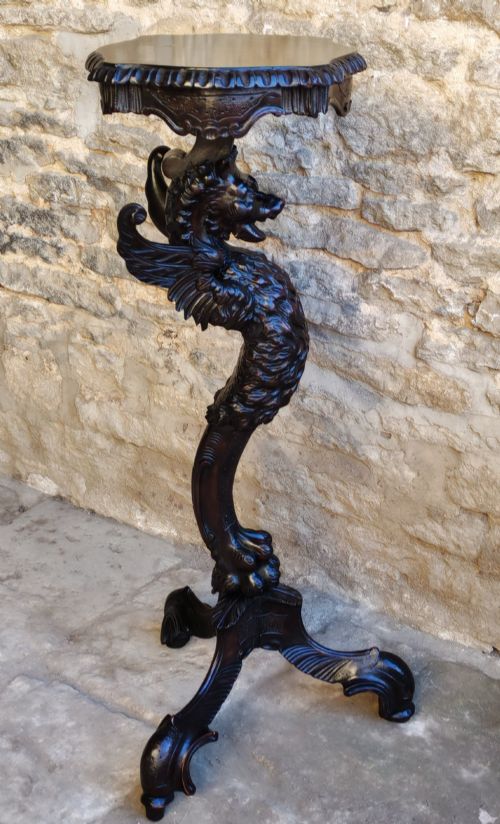
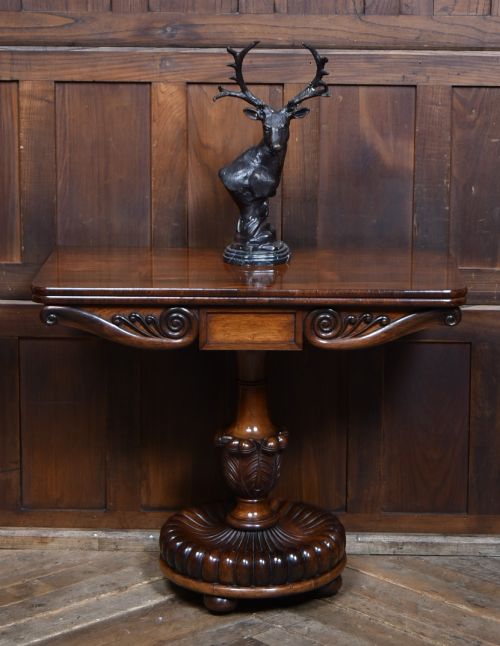
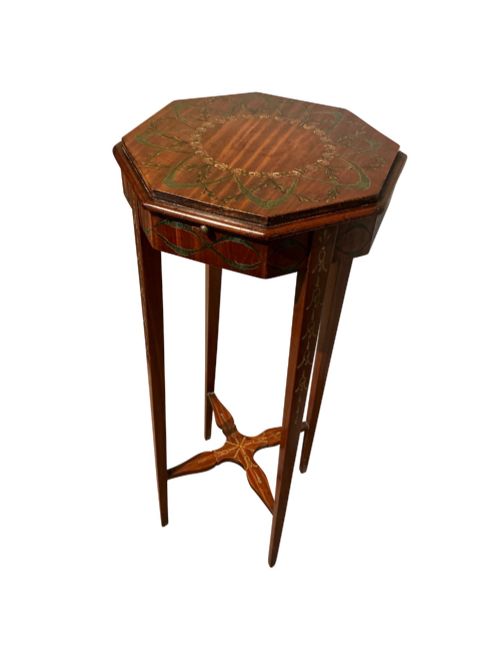
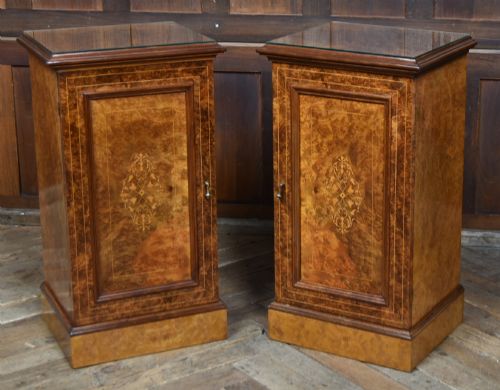
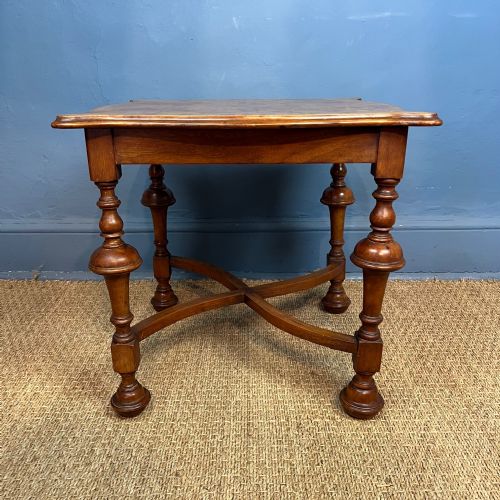
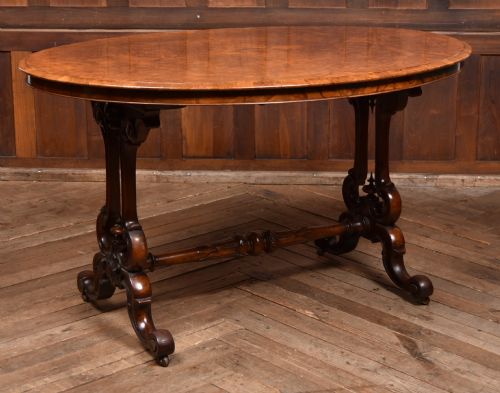
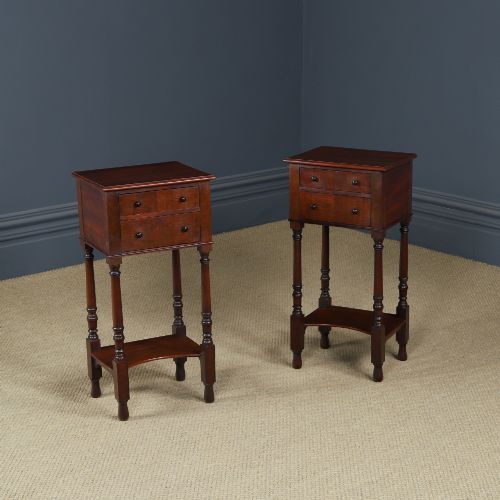
An edwardian pedestal takes several distinct forms across this selection, appearing primarily as plant stands, wine tables, and structural supports for larger pieces like jardinieres. These pieces elevate objects to eye level, using vertical space efficiently within domestic interiors of the period.
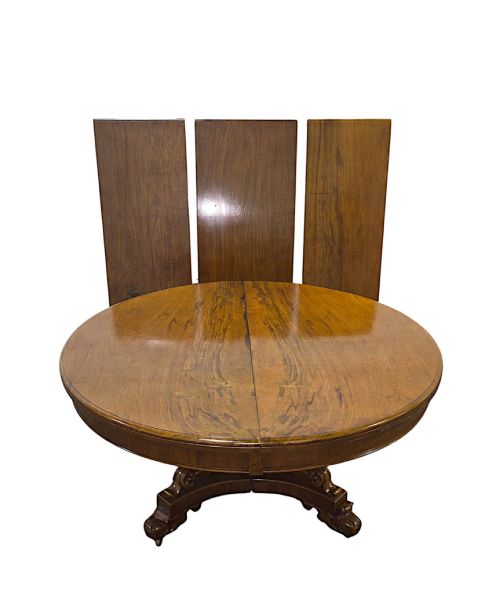
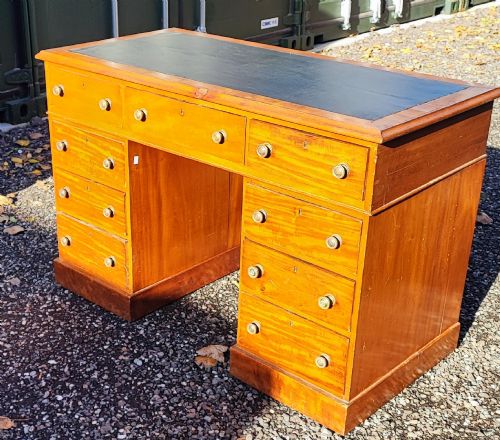
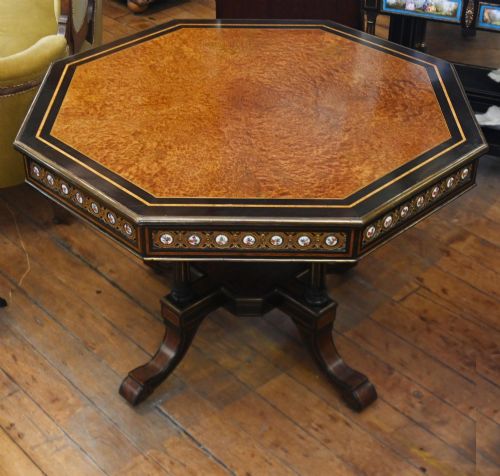
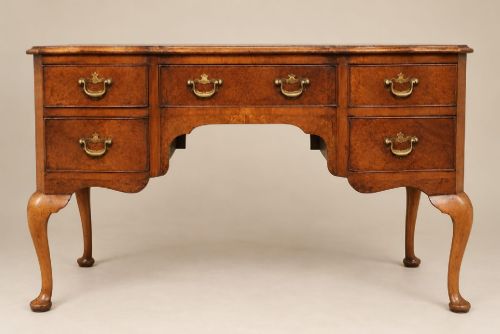
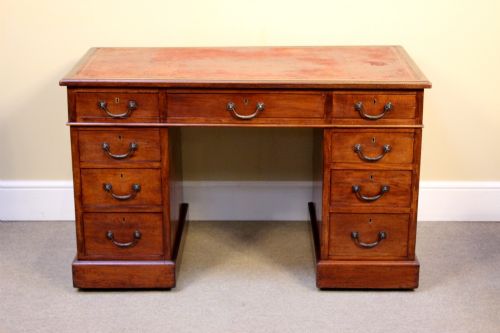
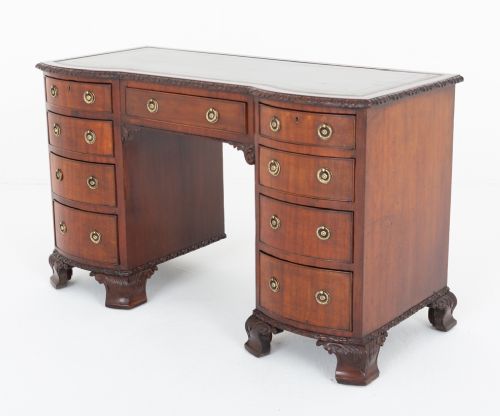
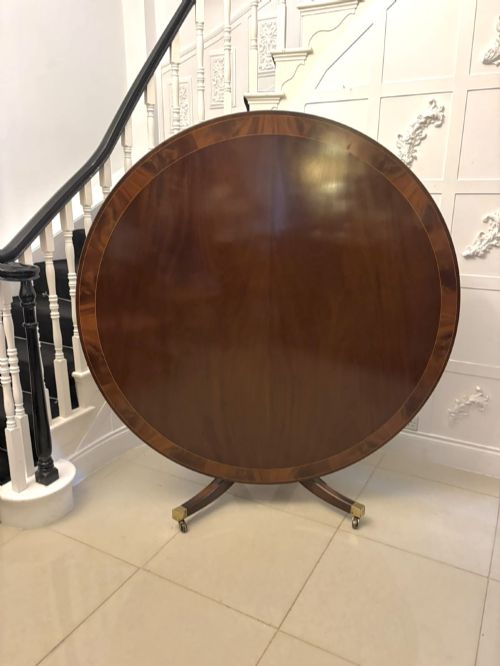
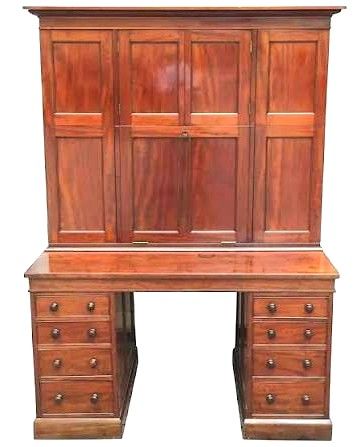
Most examples encountered here date from the edwardian era and the broader nineteenth century, reflecting the tastes of households that valued both display and utility. Alongside dedicated stands, the selection includes pedestal desks and multi-pillar dining tables that share the same architectural emphasis on sturdy central supports.
Materials and construction
Cabinet makers relied heavily on timbers such as mahogany and oak, often incorporating satinwood inlay and marquetry for surface decoration. These woods were selected for their grain and stability, allowing craftsmen to shape slender pillars and robust tripod bases that support weight without listing.
Joinery methods of the period prioritised tight fitting joints and stable pillar attachments, ensuring that tall stands remain balanced. Secondary materials like brass and copper appear in mounts or table tops, adding metallic contrast to the timber framework.
Edwardian Pedestal Retail Price Guide 2026
Typical asking prices for edwardian pedestal among the pieces listed under this phrase on Sellingantiques today, from the lower quarter to the upper quarter. They describe what is for sale here now, not the wider market.
Listings feature woods including mahogany, oak, satinwood, and walnut, paired with object types ranging from plant stands to multi-pillar dining tables.
Factors of quality
The distinction between standard utility items and finer examples rests on the crispness of carved details and the precision of inlaid wood. Superior pieces exhibit carefully matched veneers and seamless joints where the pillar meets the base.
Proportion and stability dictate the standing of a piece within its type. A well balanced base with substantial weight distribution indicates superior manufacturing compared to lighter, more precarious alternatives.
Royal Doulton·Liberty and Co·Bulstrode Cambridge·Edwards and Roberts·Howard and Sons
The Edwardian Pedestal Glossary
- Pedestal
- A structural support or column that elevates a plant stand, jardiniere, or the central section of a large dining table. It provides vertical lift and stability to the object placed upon it.
- Marquetry
- A decorative technique where thin pieces of wood veneer are fitted together to form pictorial patterns on furniture surfaces. It appears frequently on the tops of tables and cabinet fronts from this era.
- Tripod base
- A support structure featuring three legs radiating from a central pillar. This design ensures the piece remains steady on uneven floor surfaces.
- Jardiniere
- An ornamental pot or stand designed to hold plants or flowers. In this context, it often pairs directly with a matching pedestal base.
- Satinwood inlay
- Contrasting blonde timber inserted into darker woods like mahogany to create geometric or floral borders. It brightens the overall appearance of the cabinet work.
Edwardian Pedestal: Frequently Asked Questions
What were pedestals used for?
These pieces served primarily to elevate decorative items, plants, and sculptures within the home. By raising objects off the floor, they drew the eye upward and protected prized possessions from foot traffic.
In larger formats, pedestal forms supported heavy dining surfaces or provided stable foundations for partner desks. Their function combined practical utility with the formal display conventions of the period.
How do I style an antique pedestal?
A standalone pedestal works effectively in corners, hallways, or beside seating where it can hold a lamp, ceramic bowl, or potted plant. Keeping the weight on top balanced ensures the piece remains secure.
Matching the wood tone with existing furniture helps integrate the piece into a modern interior while maintaining its historical character. Avoid overloading the top surface so the proportions of the stand remain visible.
Are these pieces made of solid wood?
Construction methods varied depending on the piece and its intended function, combining solid timbers with applied veneers. Oak and mahogany often formed the structural carcase, while finer woods appeared as surface veneers.
Inlay work and decorative banding utilised thin slices of contrasting timber applied to a stable base board. This technique prevented warping while achieving intricate visual patterns.
How do I distinguish edwardian from victorian pieces?
Edwardian designs typically feature lighter proportions, simpler lines, and brighter wood tones influenced by neoclassical revivals. Victorian items often display heavier carving, darker finishes, and more ornate ornamentation.
Examining the secondary woods and construction hardware helps confirm the era of manufacture. Subtle shifts in decorative motifs separate pieces made around nineteen hundred from those produced decades earlier.