





Edwardian Pearl Lapel Pin
An edwardian pearl lapel pin is a delicate fastening designed for formal attire, offering subtle brilliance and refined craftsmanship from the early twentieth century.
Edwardian Pearl Lapel Pin
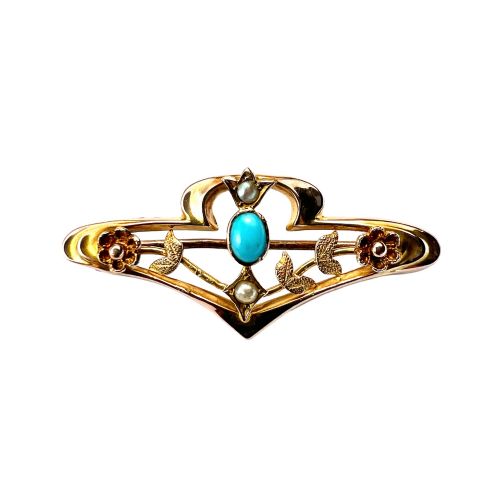
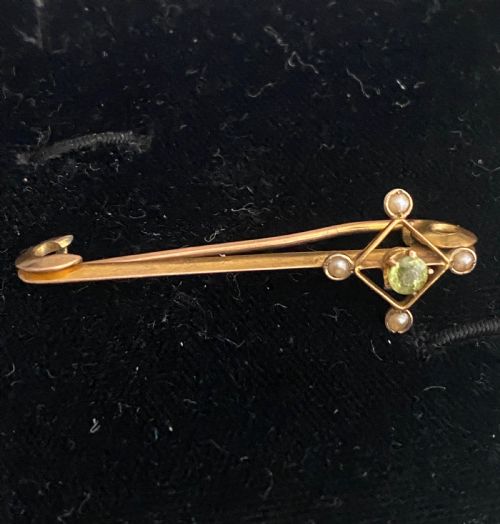
An edwardian pearl lapel pin encompasses a variety of small brooches, bar brooches, and stick pins originating from the early twentieth century and the broader Edwardian era. These pieces often feature central pearls accented by seed pearls, diamonds, or coloured gemstones set against yellow gold, white gold, or platinum.
The versions most commonly met on this page combine Edwardian refinement with earlier Victorian influences, frequently displaying floral motifs, swallows, or hearts. Stick pins and bar brooches predominate, reflecting the fastenings worn on lapels and cravats during the period.
How they were made
The construction of these pieces relies on precious metals such as nine-carat and eighteen-carat gold, often paired with platinum or silver settings to mount diamonds and natural pearls securely. Goldsmiths utilised intricate techniques including plique-à-jour and standard enamelling to add vibrant colour to floral and insect designs.
Pearls are integrated as single focal points, baroque specimens, or clustered seed pearls, frequently secured by delicate prong or bezel settings. The integration of gold and platinum reflects a transitional manufacturing period where durability matched lightness.
Edwardian Pearl Lapel Pin Retail Price Guide 2026
Typical asking prices for edwardian pearl lapel pin among the pieces listed under this phrase on Sellingantiques today, from the lower quarter to the upper quarter. They describe what is for sale here now, not the wider market.
Listings span the Victorian, Edwardian, and Art Deco eras, incorporating materials like platinum, enamel, and turquoise alongside pearls.
What varies in quality
The distinction between tiers rests upon the precision of the metalwork, the symmetry of the pearl arrangement, and the integration of supporting gemstones like rose-cut diamonds and peridots. Finer examples display meticulous hand-pierced frames and undamaged enamel work.
Material composition also dictates the grade, with eighteen-carat gold and platinum settings commanding higher refinement than standard nine-carat gold alternatives. The preservation of original components without modern replacements elevates the standing of individual pieces.
The Edwardian Pearl Lapel Pin Glossary
- Seed pearl
- A very small, naturally formed pearl, often drilled and strung or used in clusters to embellish floral motifs. These tiny gems define the delicate aesthetic of Edwardian jewellery.
- Bar brooch
- A narrow, elongated pin format popular for securing lapels, scarves, and ties. This structural form supports central gemstone clusters.
- Stick pin
- A long pin featuring an ornamental head, originally designed to secure cravats or lapels. The decorative terminal typically showcases enamel, pearls, and precious stones.
- Plique-à-jour
- An enamelling technique where the enamel is applied without a backing, resembling miniature stained glass. This method allows light to pass through translucent coloured sections.
- Rose-cut diamond
- An antique diamond cut featuring a flat base and a faceted dome shape. This historical style produces a soft, shimmering lustre rather than sharp brilliance.
Edwardian Pearl Lapel Pin: Frequently Asked Questions
How do you wear an edwardian pearl lapel pin?
These pieces affix securely to coat lapels, cardigans, or cravats using their original pin stems and safety catches. They add a refined accent to modern tailoring without overwhelming the fabric.
Ensure the backing or clasp is secure before fastening to heavier wools to protect the delicate gold and platinum structures.
Are the pearls natural or cultured?
The pearls found in these antique pieces include natural varieties alongside the saltwater and freshwater specimens common to the era. Each pearl exhibits organic variations in lustre and shape.
Examination under magnification often reveals the subtle surface characteristics unique to early twentieth-century pearls.
How should I clean my lapel pin?
Maintain the piece by gently wiping the metal and pearls with a soft, dry microfibre cloth after wear. Avoid harsh chemical dips, ultrasonic cleaners, and prolonged exposure to water.
Enamel and pearls are particularly sensitive and require careful handling to preserve their historic surfaces.
What styles appear alongside Edwardian designs?
Listings feature Art Nouveau, Victorian, and Art Deco aesthetics reflecting overlapping periods of production. Art Nouveau pieces lean towards flowing natural forms and enamelled flora.
Later Edwardian and early Art Deco examples introduce platinum settings and geometric symmetry alongside traditional floral motifs.