



Edwardian Paper Knife
An edwardian paper knife is a desk accessory designed to slice open envelopes and turn pages, prized for fine silver and natural materials.
Edwardian Paper Knife
An edwardian paper knife is a functional desk accessory designed for opening envelopes and turning pages during correspondence. The pieces found here span the Edwardian period alongside related Victorian, 19th Century, and early twentieth century examples.
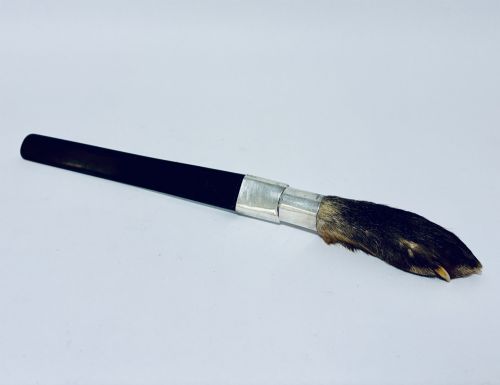
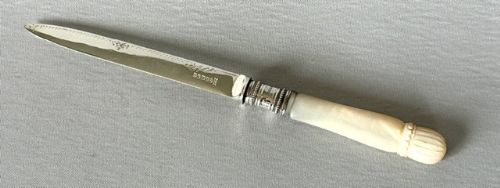
Buyers will encounter various forms ranging from standard letter openers to substantial page turners. Many examples combine silver blades with handles or bodies fashioned from alternative organic and mineral substances.
What varies in quality
Quality rests in the selection of materials and the refinement of the joinery between handle and blade. Finer examples integrate precious metals with carefully prepared tortoiseshell, mother-of-pearl, or hardstones without awkward transitions.
Design complexity also separates standard desk tools from exceptional items. Novelty shapes, enamel work, or hallmarks indicating specific silversmiths elevate the piece above a simple utilitarian implement.
Edwardian Paper Knife Retail Price Guide 2026
Typical asking prices for edwardian paper knife among the pieces listed under this phrase on Sellingantiques today, from the lower quarter to the upper quarter. They describe what is for sale here now, not the wider market.
Listings feature materials including sterling silver, tortoiseshell, mother-of-pearl, Connemara marble, agate, yew wood, and ebonised wood.
William Graeme·A. Barrett·Sampson Mordan and Co·Tiffany and Co
The Edwardian Paper Knife Glossary
- Page turner
- A long, flat implement traditionally used for separating the uncut pages of books. They often feature extended blades made from tortoiseshell or wood.
- Letter opener
- A sharp or pointed blade designed specifically for slicing open sealed envelopes. These typically measure shorter than dedicated page turners.
- Tortoiseshell
- A mottled brown and amber material derived from the shell of certain turtle species. It forms the translucent body or handle sections on select desk pieces.
- Mother-of-pearl
- An iridescent inner layer of mollusc shells utilised for decorative handles and inlaid panels. It provides a shimmering white surface that catches the light.
- Hallmark
- An official stamp applied to precious metals indicating the standard of purity, the assay office, and the date of manufacture. These marks help verify the age and origin of silver items.
Edwardian Paper Knife: Frequently Asked Questions
What is the difference between a paper knife and a letter opener?
A paper knife often refers to a longer page turner designed to cut through folded book signatures. A letter opener is typically shorter and optimised for slicing open mail envelopes.
Both terms appear interchangeably across historical listings, as many implements served both desk functions.
How do I care for silver and tortoiseshell?
Silver components require gentle polishing with a soft cloth to maintain their finish without abrasive cleaners. Tortoiseshell needs protection from direct sunlight and extreme temperature changes to prevent warping.
Handling these materials with clean hands preserves the natural oils and prevents discolouration over time.
Can I use an antique paper knife today?
These implements remain fully functional for opening modern mail and turning pages in books. The delicate nature of materials like tortoiseshell or mother-of-pearl simply calls for gentle handling.
Keeping the piece on a desk allows it to serve its original purpose while adding period character to a workspace.
How do I identify an Edwardian piece?
Edwardian items often feature hallmarks corresponding to the reign of Edward VII or early twentieth century date letters. Stylistic cues also align with the lighter, refined designs characteristic of the period.
Comparing the materials and assay marks helps distinguish these pieces from earlier Victorian productions.