
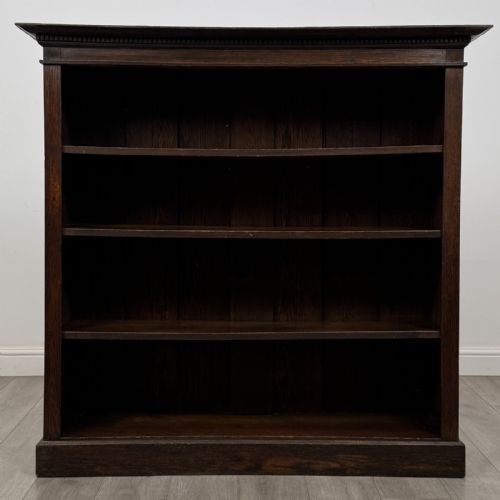
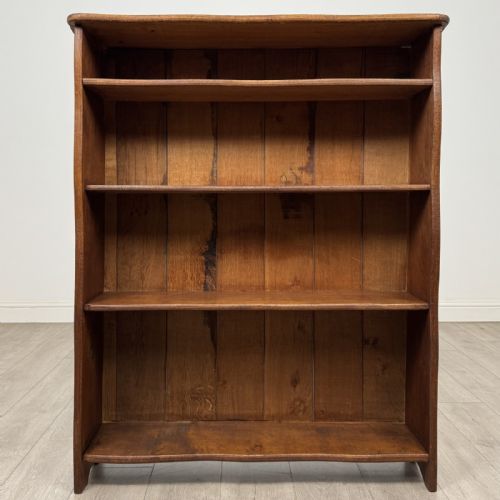
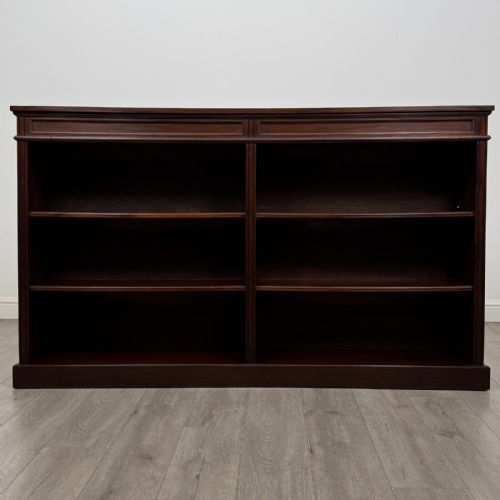
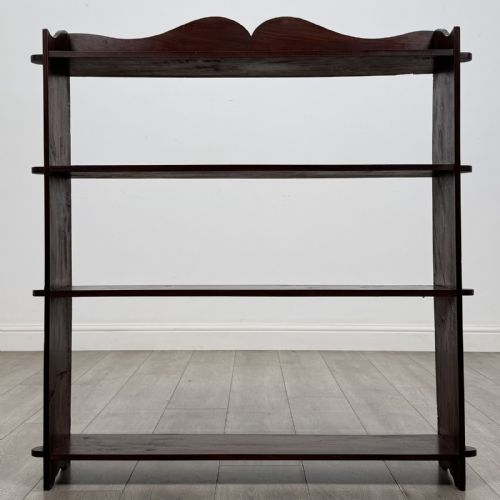
Edwardian Open Bookshelves
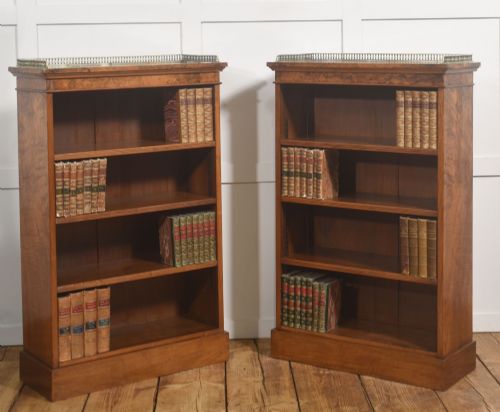
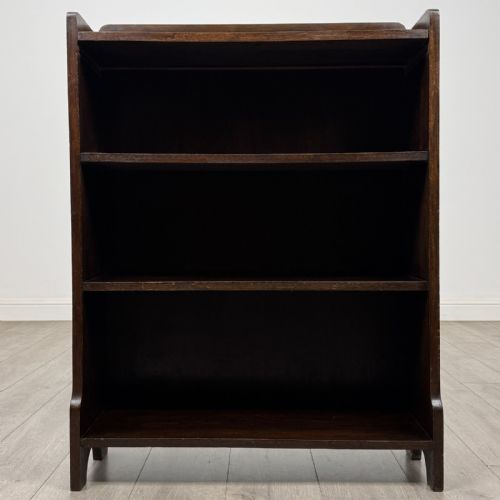
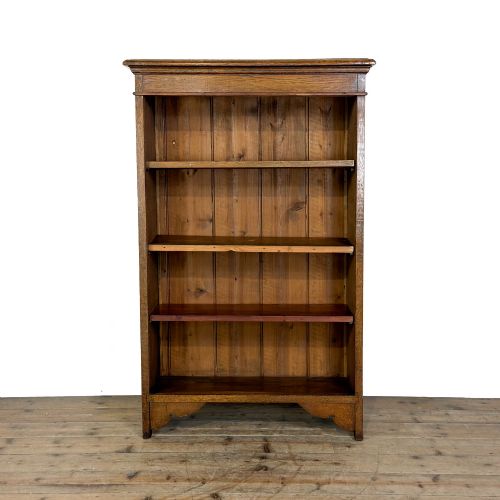
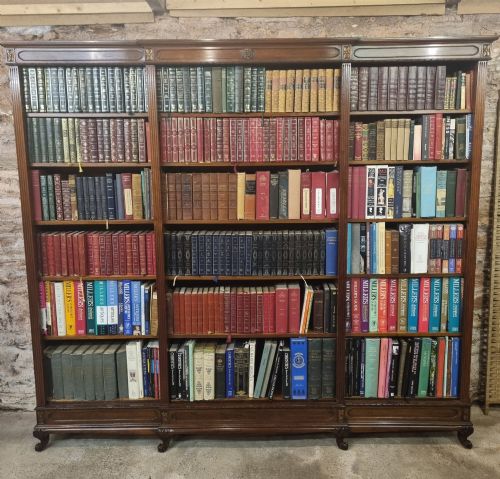
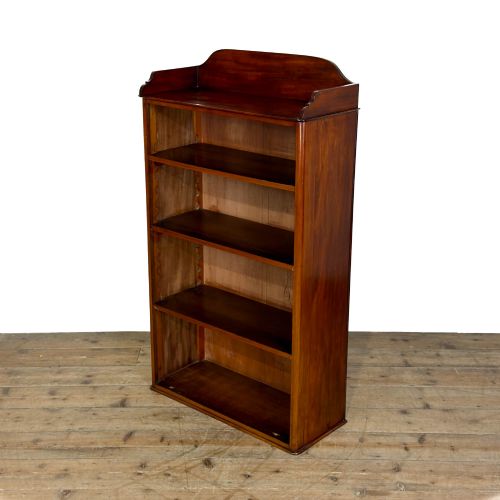
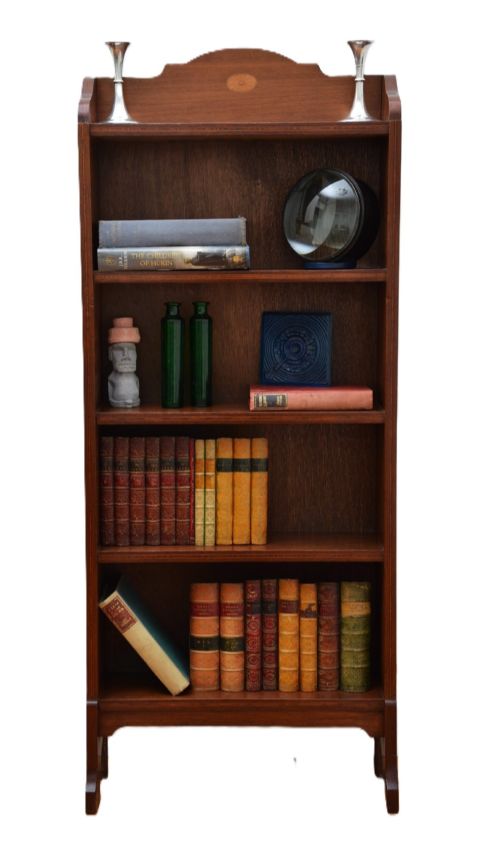
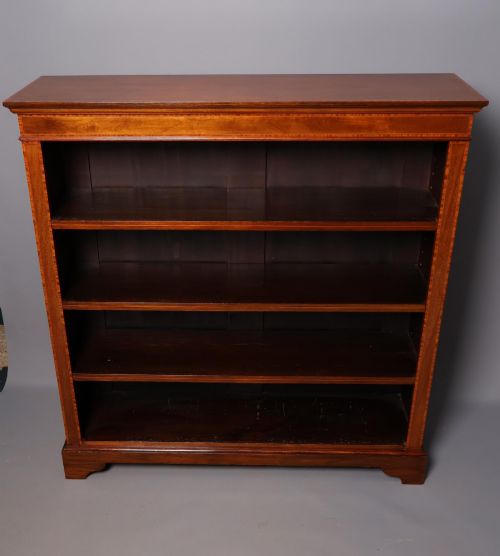
Edwardian open bookshelves bring utility and refined display to a room, offering immediate access to volumes without the barrier of glazed doors.
Edwardian Open Bookshelves
Edwardian open bookshelves provide accessible, functional storage for collections of books while maintaining a light visual footprint in a domestic interior.
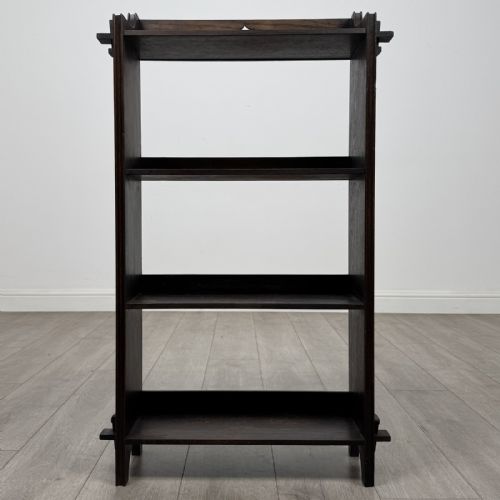
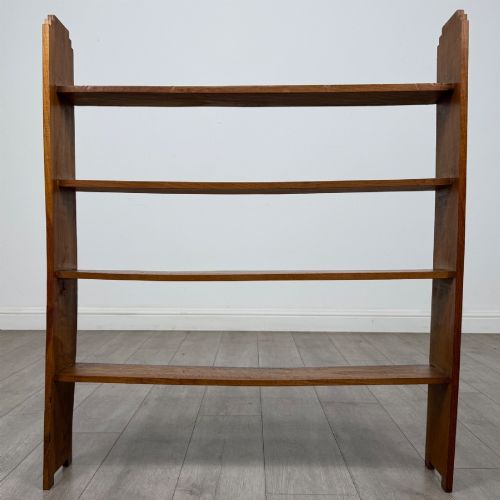
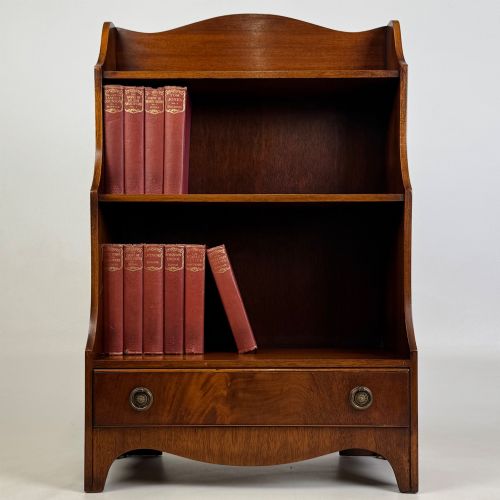
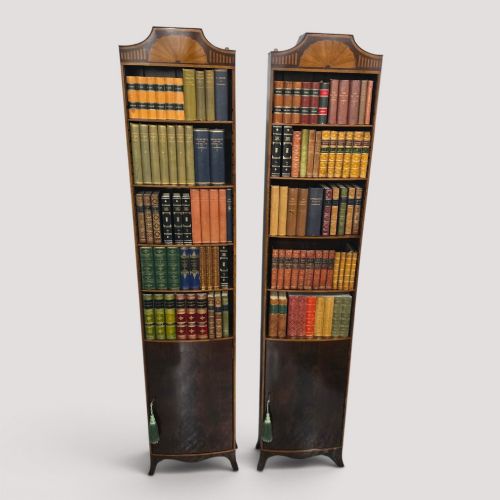
The pieces appearing under this search phrase span the Edwardian era, late Victorian period, and early twentieth century, taking the form of low standing units, narrow cases, and wall-mounted shelves.
Oak and mahogany predominate among the surviving examples, often accompanied by walnut, burr walnut, and satinwood detailing.
How they were made
Cabinet makers built these bookshelves primarily from solid timbers like oak and mahogany, alongside walnut veneers and burr walnut for decorative surfaces.
Construction techniques included adjustable shelving mechanisms, carved ornamentation, inlaid banding, and the addition of brass castors on larger library pieces.
The archive and active inventory record styles ranging from Arts and Crafts to Jacobean Revival and Georgian Revival.
What varies in quality
The standard of timber selection and the precision of the joinery distinguish simpler utility pieces from finer cabinet work attributed to makers such as Heal's.
The Edwardian Open Bookshelves Glossary
- Edwardian
- Dating from the reign of King Edward VII, spanning the years from 1901 to 1910. Pieces from this period often display lighter proportions than their Victorian predecessors.
- Arts and Crafts
- A design movement prioritising traditional craftsmanship and simple forms over mass-produced ornamentation. It frequently manifests in plain oak construction with understated detail.
- Adjustable shelves
- Shelving supported by movable pegs or ratchets allowing variable heights. This feature enables the housing of books of different sizes within a single case.
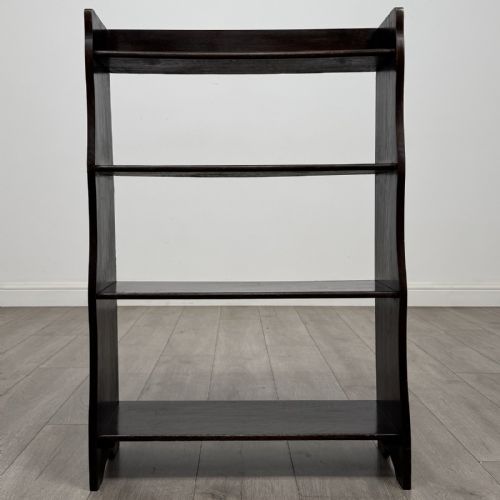
- Waterfall bookcase
- A set of open shelves diminishing in depth from bottom to top. This stepped arrangement creates a distinctive cascading profile against the wall.
Edwardian Open Bookshelves: Frequently Asked Questions
How do I date these bookshelves?
Dating relies on observing timber choices, construction methods, and stylistic cues such as inlaid stringing or carved motifs. Edwardian pieces often present lighter framing compared to heavier nineteenth-century examples.
Makers' marks, brass hardware types, and wood finishes further assist in placing a piece within the late Victorian to early twentieth-century window.
Are the shelves adjustable?
Many examples feature adjustable shelves supported by internal wooden racks, metal pins, or brass slots. This adaptability permits the storage of varied octavo and folio volumes.
Fixed shelves also occur, particularly in smaller or simpler utilitarian models designed for domestic studies.
What timbers were used?
Oak and mahogany form the vast majority of these bookshelves, reflecting popular domestic tastes of the period. Walnut, burr walnut, and satinwood appear in decorative veneers and inlaid details.
Golden oak and pale oak variations frequently align with the lighter interiors favoured during the Edwardian era.
Where should I place them?
Open bookshelves suit studies, living rooms, and hallways where quick access to books is desired. Their open fronts showcase bindings directly without glass reflections.
Care should be taken to avoid placing timber furniture in direct sunlight or against damp exterior walls to preserve the wood and veneer.