

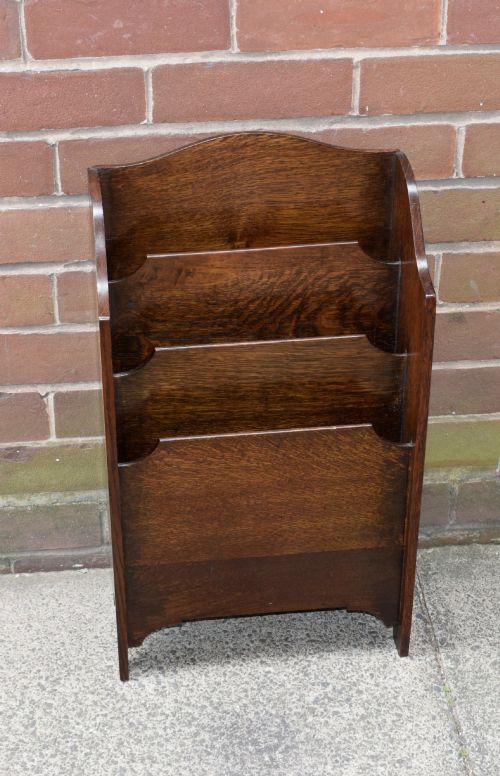


Edwardian Oak Organizer
An Edwardian oak organizer is a practical desktop or tabletop accessory for sorting correspondence, papers, and books.
Edwardian Oak Organizer
An edwardian oak organizer encompasses a variety of functional desktop and household furnishings designed to keep correspondence, books, and papers in order. Buyers seeking these items will find stationery cabinets, letter boxes, desk tidies, and book slides primarily from the Edwardian period and the late nineteenth century.
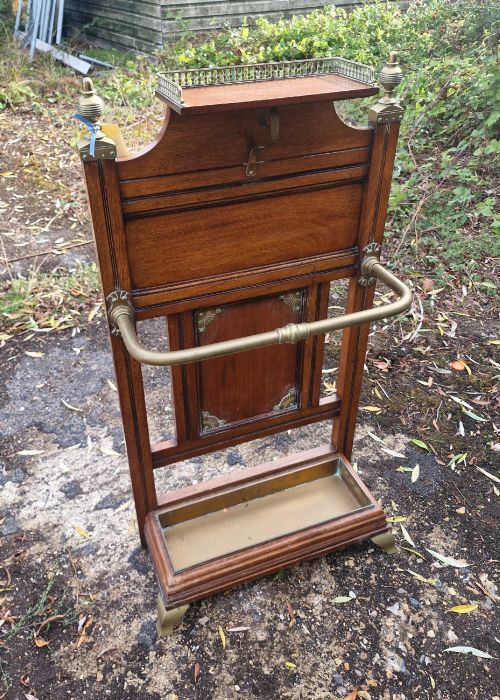
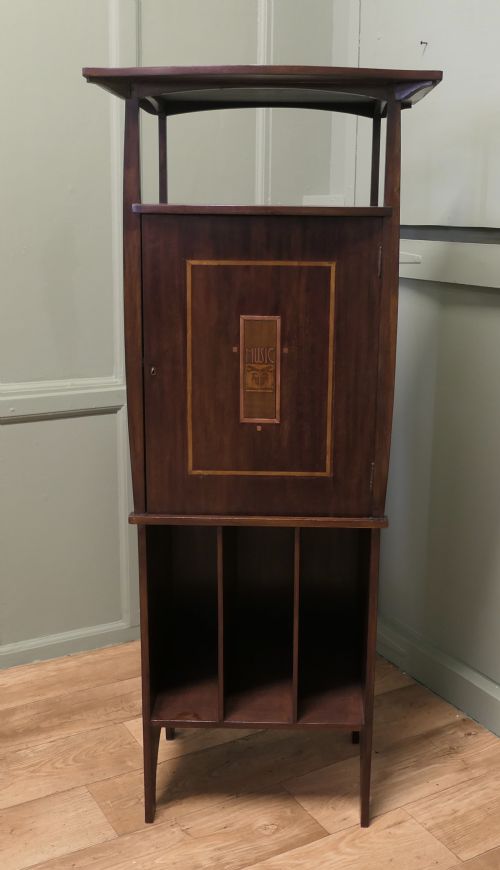
The selections on this page showcase distinct utilitarian forms built from sturdy timber. Pieces range from drop-front stationery boxes and correspondence racks to revolving bookcases, magazine stands, and inkstands.
Most examples originate from the Edwardian era or the broader Victorian period, reflecting the administrative and domestic habits of the home office and study. These furnishings combine everyday utility with the solid presence of period woodwork.
What varies in quality
The distinction between standard utility items and superior examples lies in the choice of timber and the sophistication of the hardware. Golden oak finishes, substantial brass mounts, and well-fitted internal compartments elevate the caliber of a stationery box or letter rack.
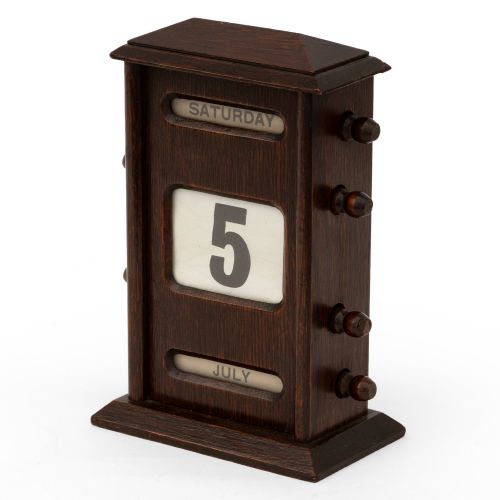
Design ambition also separates everyday pieces from finer items, particularly where Arts and Crafts influences or specialised mechanics like revolving actions and adjustable calendars are present. Superior construction ensures that drop-fronts, drawers, and lids operate smoothly within the solid timber frame.
Edwardian Oak Organizer Retail Price Guide 2026
Typical asking prices for edwardian oak organizer among the pieces listed under this phrase on Sellingantiques today, from the lower quarter to the upper quarter. They describe what is for sale here now, not the wider market.
Some organizers include perpetual calendars that require manual daily adjustments to keep track of the date.
GM Elwood·JS Henry·Amberg
The Edwardian Oak Organizer Glossary
- Stationery cabinet
- A desktop box with a fall-front or hinged door enclosing small compartments for writing paper and envelopes. These units often incorporate calendar functions or inkwells.
- Letter box
- A secure receptacle for incoming and outgoing mail, typically featuring a sloping roof and a brass slot or plaque. They were common fixtures in country houses and offices.
- Book slide
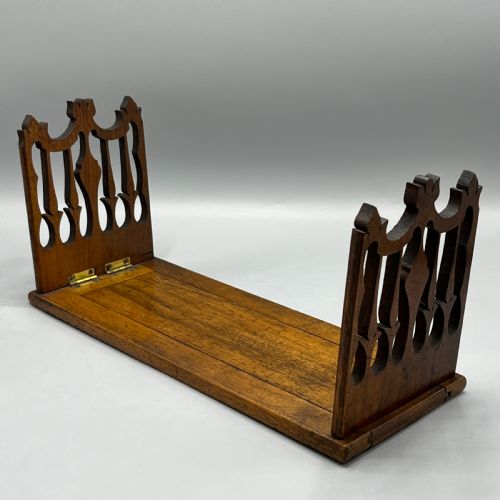
- An extendable desktop rack designed to hold a small selection of volumes upright between two upright ends. The expanding mechanism allows the length to adjust as books are added or removed.
- Inkstand
- A tray or stand incorporating one or more glass ink bottles, pen holders, and sometimes a compartment for stamps or wafers. They served as the central writing accessory on a desk.
- Desk tidy
- A multi-functional desktop organizer combining slots for letters, pen trays, and date indicators. These pieces kept essential writing tools grouped together in one portable format.
Edwardian Oak Organizer: Frequently Asked Questions
What is an Edwardian oak organizer used for?
These organizers were designed to sort incoming mail, store stationery, and keep desktop reference books within reach in a study or office.
Today, they serve the same practical function for sorting paperwork or mail while adding period character to a modern workspace.
How do I distinguish between Victorian and Edwardian pieces?
Victorian items often lean towards heavier proportions and Gothic or late Victorian revival details, utilising dark oak and elaborate brass hardware.
Edwardian pieces tend to show lighter golden oak tones and simpler lines, influenced by the Arts and Crafts movement or domestic country house styles.
Are ink bottles original to these stands?
Many inkstands and stationery boxes retain their original glass ink bottles, often fitted with matching brass collars or lids.
Replacement bottles are sometimes found in pieces that saw heavy use, so checking the fit within the wooden apertures helps determine originality.
How should I care for an oak desk tidy?
Maintain the timber by keeping the organizer away from direct heat sources and strong sunlight, which can dry out the oak and warp moving parts.
Occasional application of natural wax helps nourish the wood grain and preserves the surface finish without building up residue.