

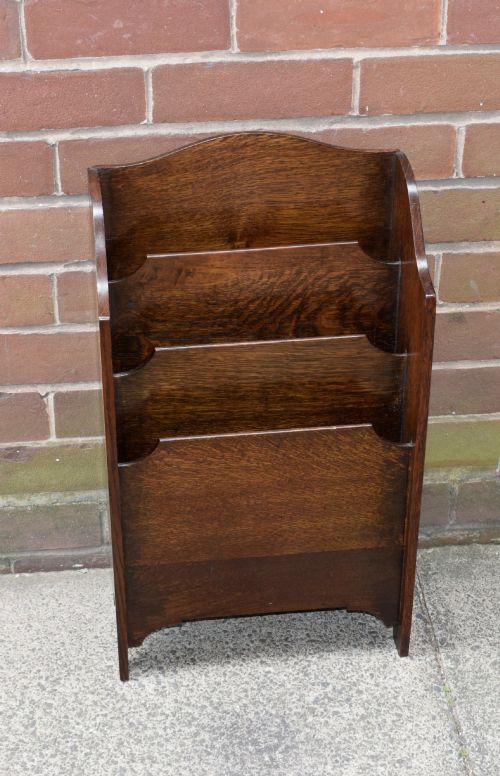


Edwardian Oak Canterbury
These edwardian oak canterbury pieces hold your journals and folios off the floor with proper British craft.
Edwardian Oak Canterbury
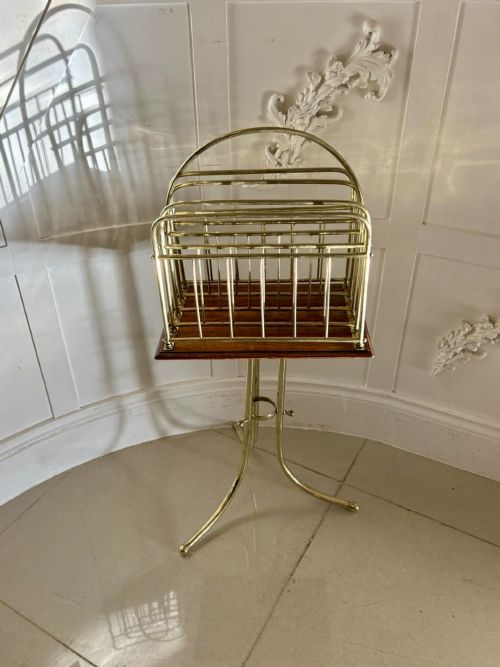
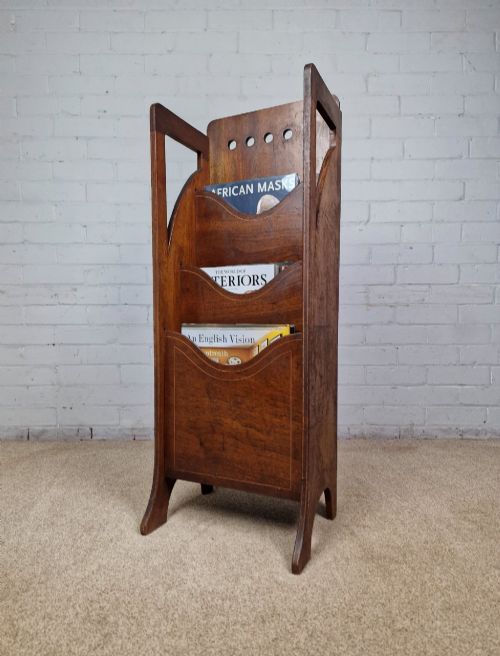
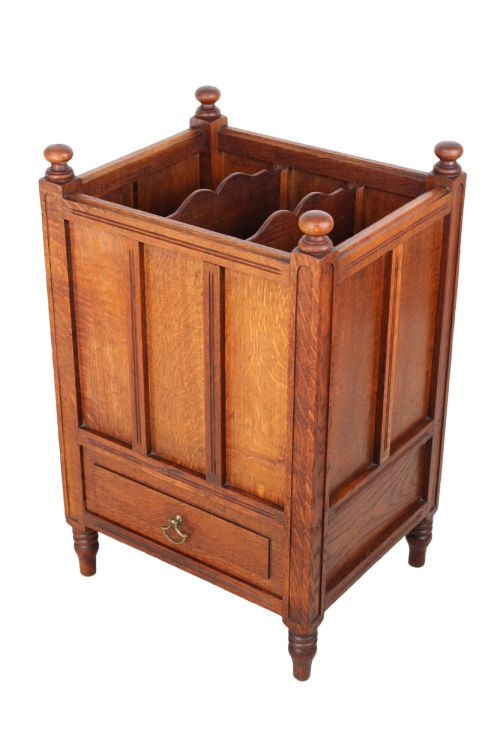
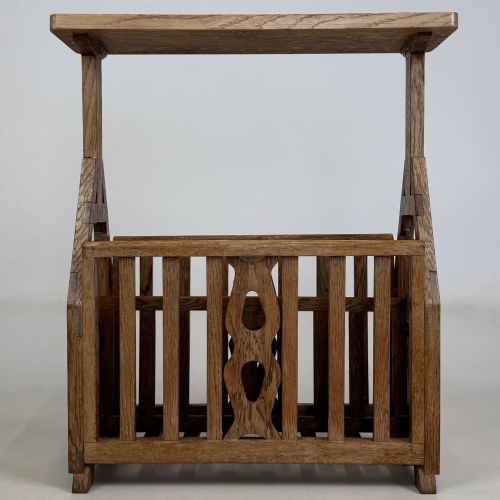
An edwardian oak canterbury serves as a neat divider for periodicals, sheets and papers, keeping rooms tidy without fuss. You meet them as low standing racks, side tables and revolving stands built from sturdy timber.
Most examples hail from the Edwardian period or the broader Victorian and early twentieth century spans, often sharing traits with Arts and Crafts design. They combine compartmented slots with sturdy handles or upright spindles for daily service.
How they were made
Cabinet makers relied principally on solid oak, shaping the panels and uprights to withstand the daily weight of papers and journals. Brass fittings appear frequently for castors, hinges and handles, adding functional contrast to the timber.
Selected pieces incorporate subtle boxwood inlay or satinwood details to accent the grain of the oak. Joinery techniques kept the partitions rigid and the bases stable under regular rotation or movement.
Edwardian Oak Canterbury Retail Price Guide 2026
Typical asking prices for edwardian oak canterbury among the pieces listed under this phrase on Sellingantiques today, from the lower quarter to the upper quarter. They describe what is for sale here now, not the wider market.
Form variations on this page include revolving stands, side tables, and standing magazine racks.
What varies in quality
The distinction between standard utility and finer pieces rests in the sharpness of the joinery and the selection of the oak timber. Crisp lines on the partitions and thoughtful proportions elevate an ordinary rack into a refined item.
Hardware choice also marks the grade of the piece, where solid brass fittings and subtle inlay work indicate a higher standard of workshop production. Simple utilitarian stands lack these decorative flourishes while retaining their practical utility.
The Edwardian Oak Canterbury Glossary
- Canterbury
- A low stand fitted with divisions for holding loose papers, music sheets or magazines. Originally designed in the eighteenth century, the form persisted well into the twentieth.
- Edwardian
- Pertaining to the reign of King Edward VII, spanning from nineteen hundred to nineteen ten, noted for lighter furniture forms. It frequently blends revival styles with domestic comfort.
- Arts and Crafts
- A design movement valuing honest construction and visible hand craftsmanship over industrial mass production. It often highlights plain timber grains and simple structural honesty.
- Revolving
- A descriptor for stands built upon a central pivot mechanism allowing access from all sides. This feature suited the middle of a study or library room.
- Inlay
- A decorative technique where contrasting materials like boxwood or satinwood are set flush into the oak surface. It creates geometric patterns or simple lines without adding bulk.
Edwardian Oak Canterbury: Frequently Asked Questions
What is an edwardian oak canterbury used for?
These pieces hold periodicals, newspapers, and sheet music upright within partitioned wooden slots. They keep reading material organised beside a reading chair or desk.
Their compact footprints make them suitable for studies, parlours, and sitting rooms where loose papers accumulate throughout the week.
How do I spot an Edwardian piece?
Edwardian furniture generally exhibits lighter framing and less ornate carving than its Victorian predecessor. The timber often shows simpler lines influenced by early twentieth-century domestic taste.
Look for honest construction methods, frequent use of oak, and occasional boxwood inlay details that date the work to the early nineteen hundreds.
Are these stands sturdy enough for daily use?
Solid oak frames and partitions provide the structural strength needed to hold heavy journals and magazines. The timber resists everyday bumps while maintaining a firm stance on the floor.
Revolving versions and side tables integrate the rack function directly into the table structure, supporting everyday service without wobbling.
What materials appear on these stands?
Oak forms the primary structure of nearly every piece, complemented by brass castors, handles, and hinges. Satinwood and boxwood inlay occasionally provide subtle contrast against the dark timber grain.
These materials were chosen for durability and quiet elegance, suiting both formal libraries and everyday family rooms.