



Edwardian Nursery Antiques
Edwardian nursery antiques encompass functional children's furnishings and playroom items that bring period charm and historical craftsmanship into modern interiors.
Edwardian Nursery Antiques
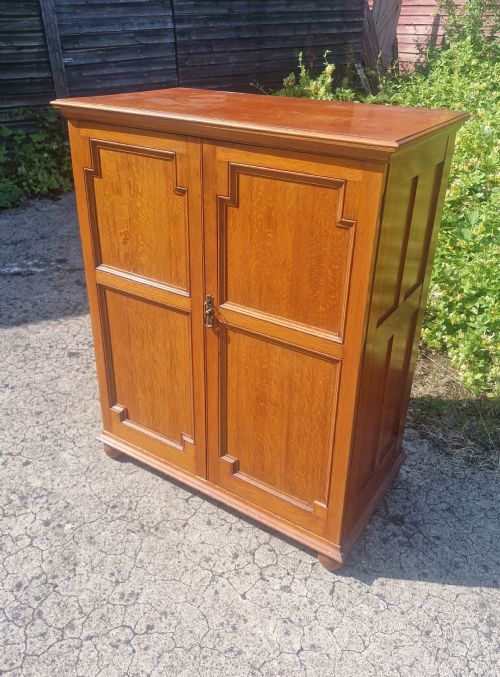
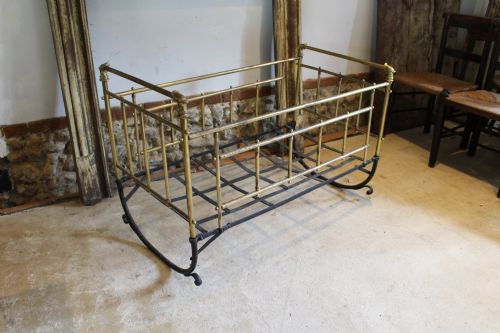
Beyond seating, the category includes larger items such as wardrobes, cradles, cots, and nursery fenders designed to protect and organise the domestic nursery. These functional objects reflect the domestic priorities of households from the nineteenth century through the 1920s.
The selection ranges from utilitarian solid wood chairs to substantial carved rocking horses and metal safety guards. Each object demonstrates the distinct utilitarian design language applied to domestic children's quarters during the period.
Materials and Construction
Makers utilised sturdy hardwoods such as mahogany, elm, beech, oak, and burr walnut to construct durable frames for seating, cots, and storage furniture. These timbers were frequently polished or inlaid to mirror adult furniture styles of the period.
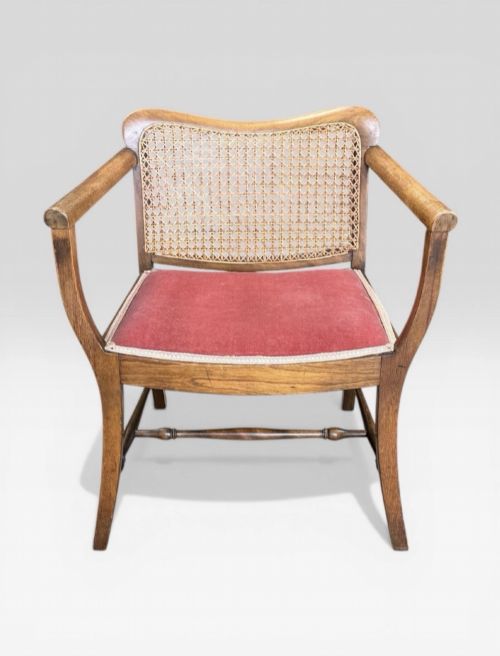
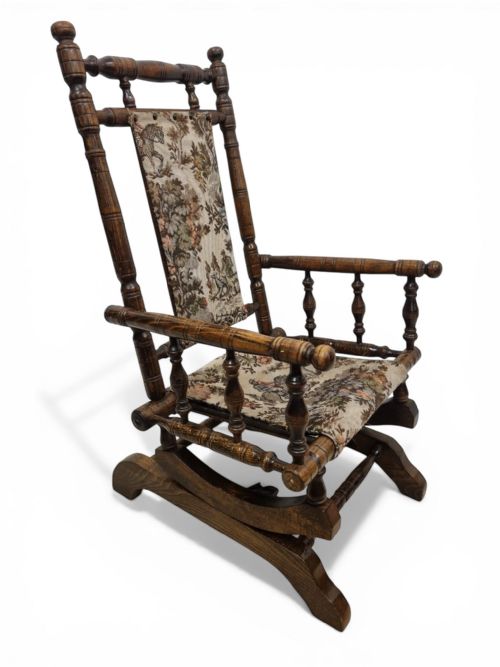
Seating and cribs incorporated flexible materials including cane, rattan, and bentwood to provide comfortable surfaces and resilient structures. Metal components, notably brass and wrought iron, appeared in wire mesh fire guards, fenders, and rocking crib mechanisms.
Louis Wain prints of cats bring wide-eyed feline expressions straight from the Edwardian nursery wall into the modern home.
Assessing Craftsmanship
Quality in these pieces depends upon the integrity of the joinery and the selection of materials, distinguishing plain utilitarian items from those produced by prominent retail houses and makers. Superior examples exhibit refined timber selection, such as figured mahogany or burr walnut, alongside precise inlay work.
The sophistication of carved details on rocking horses and the complexity of bentwood or caned structures differentiate standard workshop output from exceptional commissions. Preservation of original upholstery, hardware, and surface finishes maintains the integrity of the piece.
G & J Lines of London·James Shoolbred·F.H. Ayres·Lines Bros Sportiboy·Heals and son
The Edwardian Nursery Antiques Glossary
- Bergere
- A type of enclosed armchair with cane or wicker panelling on the back and sides. This style appears frequently in miniature children's seating.
- Bentwood
- Wood heated and bent into curved structural shapes without traditional joinery. It was utilised extensively for lightweight chairs and rocking furniture.
- Nursery Fender
- A low metal guard placed around an open hearth to prevent children from approaching the fire. They often incorporated integrated rails for drying clothes.
- Tub Chair
- An armchair with a rounded back that curves continuously into the arms. The design provides enclosed seating for smaller occupants.
- Wingback
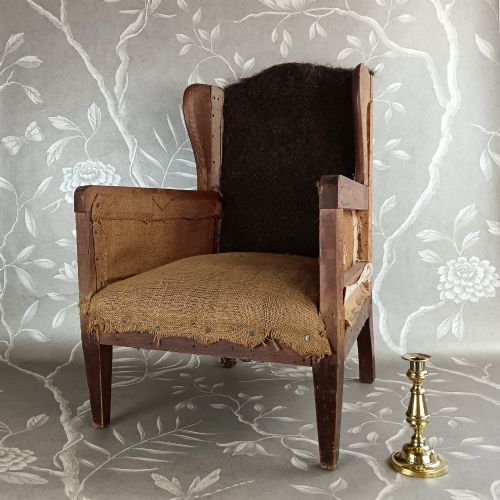
- An armchair with side panels extending from the back to shield the occupant from drafts. Early examples scaled for children follow adult proportions.
Edwardian Nursery Antiques: Frequently Asked Questions
What defines an edwardian nursery antique?
These items are domestic furnishings and playthings produced specifically for children during the Edwardian era and surrounding decades.
They combine practical utility with the aesthetic styles of their period, ranging from seating to safety equipment.
How were nursery fenders used?
Nursery fenders acted as protective barriers around fireplaces to keep young children safely away from flames and hot coals.
Many designs also featured integrated metal rails specifically intended for warming or drying infant clothing.
Are rocking horses from this period carved?
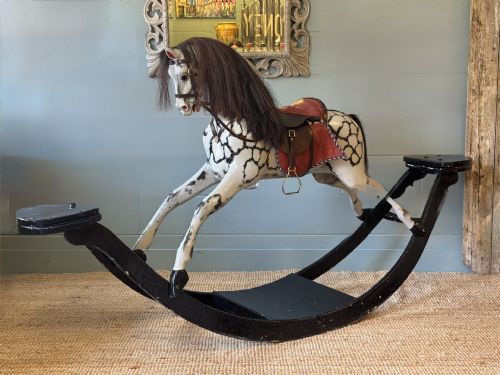
Many period rocking horses feature hand-carved wooden bodies mounted on safety stands or curved wooden rockers.
Finishes typically involved painted dapple patterns and leather tack to replicate full-sized horses.
How do I identify bentwood nursery chairs?
Bentwood chairs rely on steam-treated timber shaped into smooth, continuous curves rather than joined sections.
They frequently feature woven cane seats and lightweight frames suited for children's spaces.