



Edwardian Novelty Jewellery
Edwardian novelty jewellery brings together whimsical miniature objects and precious metals, offering collectors witty wearable sculptures from the early twentieth century.
Edwardian Novelty Jewellery
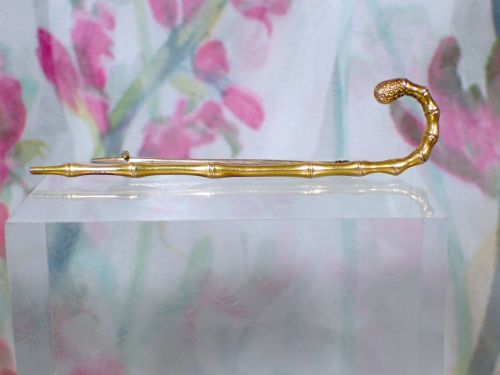
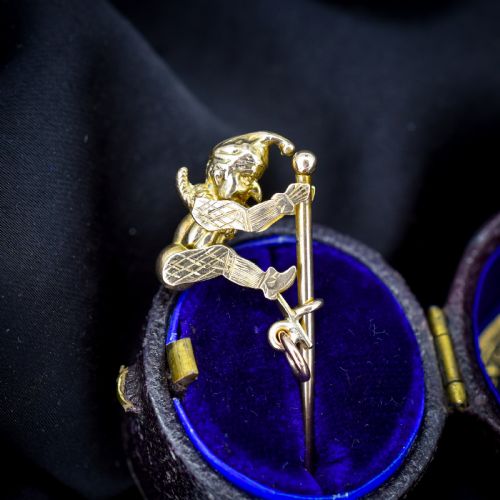
Edwardian novelty jewellery captures playful subjects in precious forms, turning everyday items, animals, and sporting gear into miniature ornaments. When you examine edwardian novelty jewellery on this page, you encounter whimsical charms, detailed brooches, and miniature pendants designed to amuse the wearer.
The selection ranges across the late nineteenth and early twentieth centuries, spanning Victorian origins into the Edwardian era and slightly beyond. Common motifs include charming animals, insects, sporting equipment, and curious objects intended as conversation pieces.
Materials and Construction
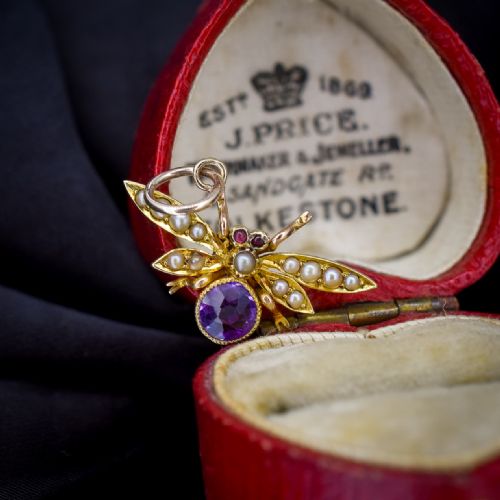
Goldsmiths and silversmiths utilised sterling silver, 9ct gold, and higher gold karats alongside pressed brass to form the structural bodies of these miniature objects. Precious and semi-precious stones including diamonds, rubies, amethysts, emeralds, and pearls provide colour and sparkle to animal eyes and floral details.
Enamel work adds vibrant colour to wings, feathers, and patterned surfaces, often fused directly to silver or gold bases. Fine metalwork techniques allow pieces like bicycles, insects, and sports gear to incorporate tiny articulated elements and working parts.
Materials across these listings span sterling silver, 9ct gold, diamonds, rubies, enamel, and mother-of-pearl.
Assessing Craftsmanship
Quality rests upon the fineness of the miniature detail and the realism achieved within a tiny scale. Superior examples display carefully engraved textures, precisely set stones, and secure mechanical joints that operate smoothly without looseness.
The choice of materials elevates a piece, distinguishing simple stamped brass from substantial multi-gem creations set with diamonds, rubies, and pearls in solid gold or sterling silver. Preservation of original enamel and crisp hallmarks further separates ordinary production from exceptional goldsmithing.
The Edwardian Novelty Jewellery Glossary
- Charm
- A small decorative trinket suspended from a bracelet or chain. These tiny ornaments often depict miniature animals, sports equipment, or lucky symbols.
- Brooch
- A decorative piece of jewellery designed to be attached to clothing, often secured with a pin and catch. Many novelty designs utilise this format to display figural subjects on lapels.
- Enamel
- A glassy substance fused to metal through firing to add colour and pattern. It frequently highlights the plumage of birds or the details of insects.
- Fob
- A short strap or chain attached to a pocket watch, sometimes featuring a decorative charm or seal at the end. Novelty fobs often took the form of miniature games or humorous objects.
Edwardian Novelty Jewellery: Frequently Asked Questions
How were these items worn?
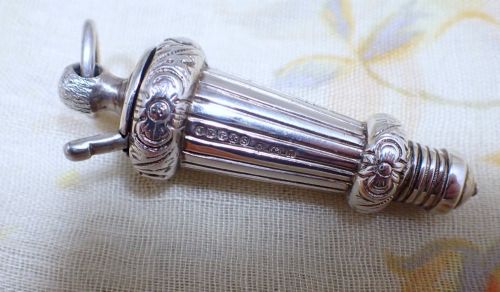
Wearers pinned brooches to lapels, hats, or blouses, while charms and pendants hung from charm bracelets, necklaces, or watch chains. Some items served a dual purpose, functioning as whistles, sliding pendants, or miniature containers.
This versatility allowed people to display their hobbies, interests, or sense of humour directly on their clothing or accessories.
How can I tell the period?
Dating relies on stylistic clues, materials, and hallmarks stamped into the metal. Pieces span the late Victorian era through the Edwardian period and into the early twentieth century, showing shifts from heavy gothic influences to lighter, diamond-set motifs.
Examining the construction methods and pin mechanisms also helps establish whether an item belongs to the nineteenth century or later decades.
What motifs are most common?
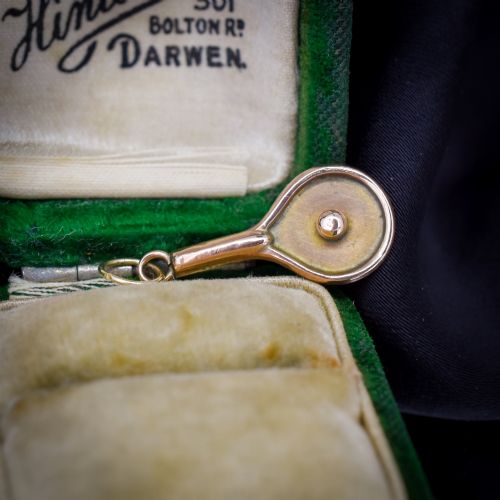
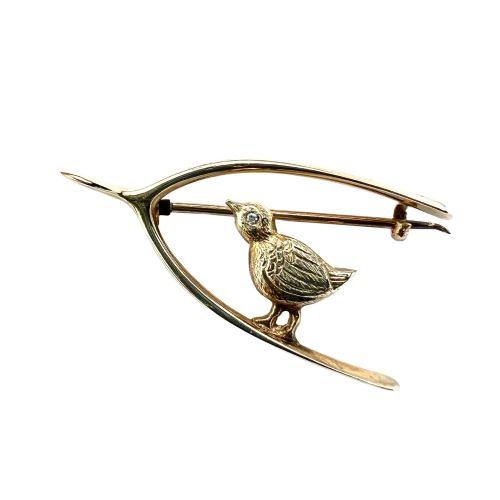
Animals and insects dominate the selection, featuring subjects like chicks, pigs, beetles, ducks, and monkeys. Sporting themes also appear frequently, including tennis rackets, bicycles, hunting buggles, and lucky symbols like wishbones.
Each motif reflects the Edwardian appetite for lighthearted luxury and personal storytelling through accessories.