





Edwardian Metal Lamp
An edwardian metal lamp brings structural weight and deliberate metalwork into a room, combining period utility with lasting decorative presence.
Edwardian Metal Lamp
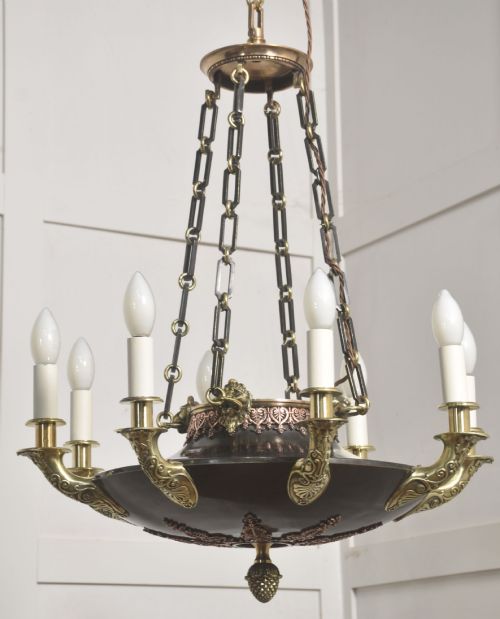
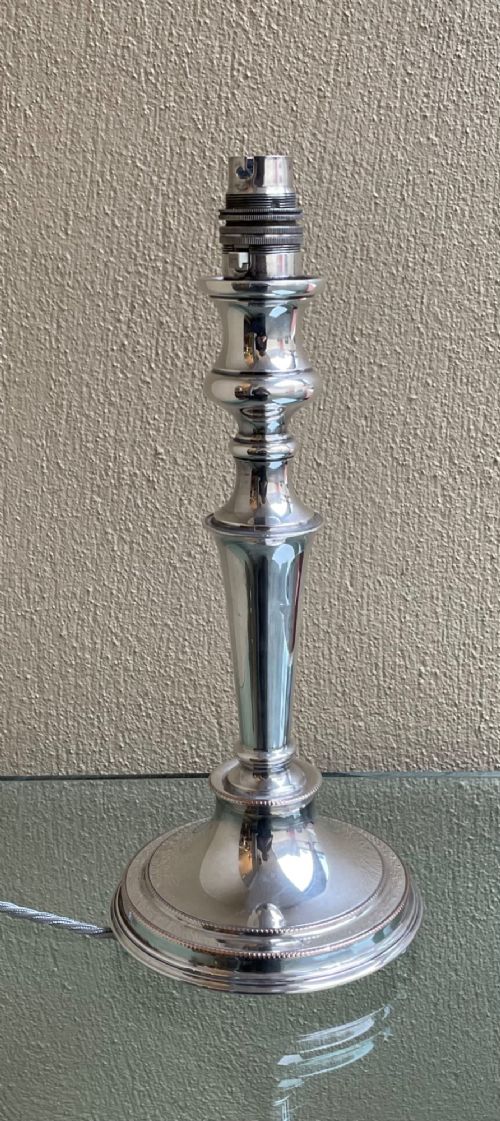
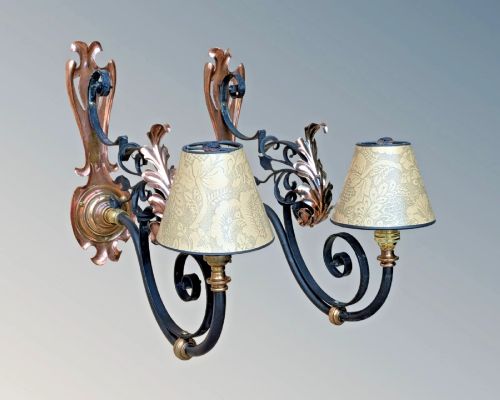
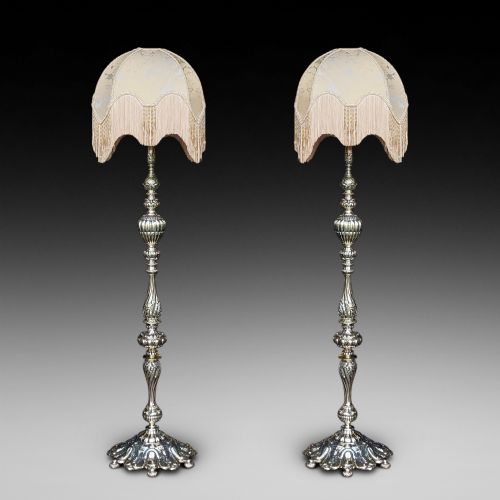
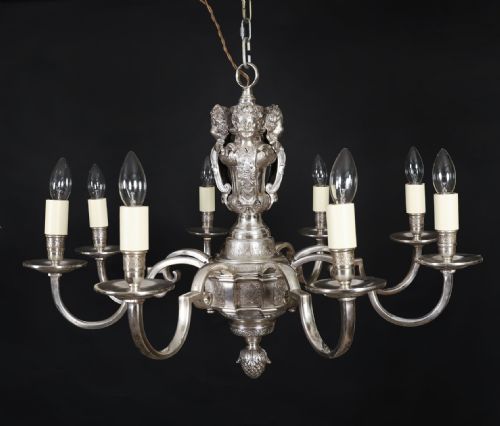
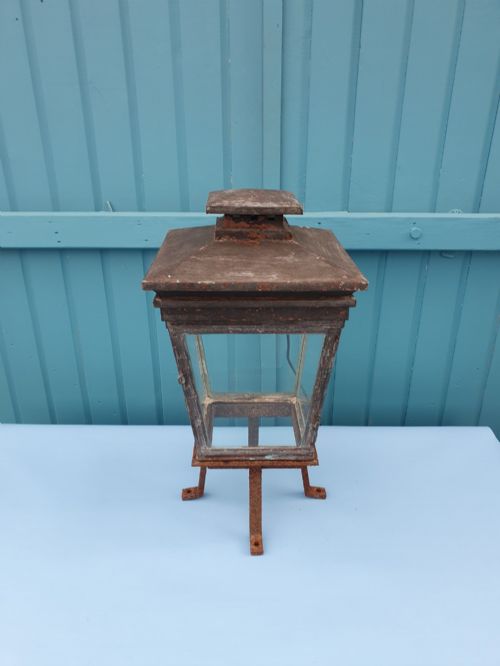
An edwardian metal lamp encompasses diverse lighting forms from table lamps and floor-standing standards to wall sconces, lanterns, and chandeliers. The pieces span periods from the nineteenth century through the nineteen-thirties, with Edwardian examples and nineteen-hundreds designs appearing frequently.
Makers utilised various styles including Arts and Crafts, Art Nouveau, Neoclassical, and Empire revival alongside straightforward utilitarian forms. Standard floor lamps, reading lamps, and desk lamps sit alongside grander chandeliers and fitted wall lights.
Materials and construction methods
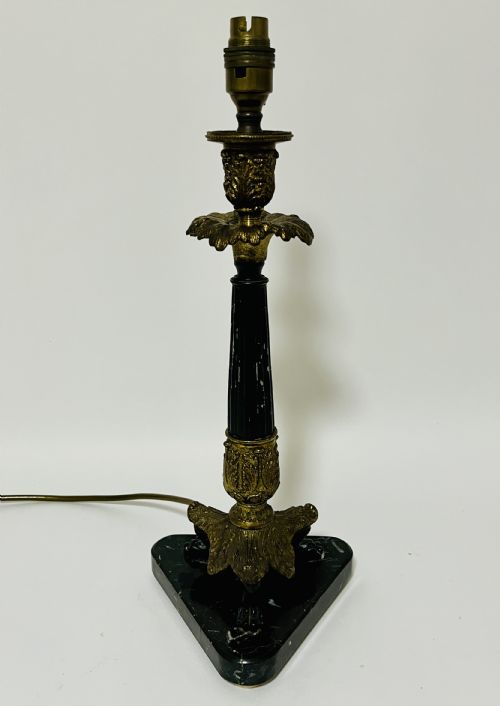
Brass, copper, and wrought iron form the structural foundation of these light fittings, often shaped through casting, pressing, or hand-beaten techniques. Metal components combine with glass shades, fabric elements, marble bases, and parchment leather details.
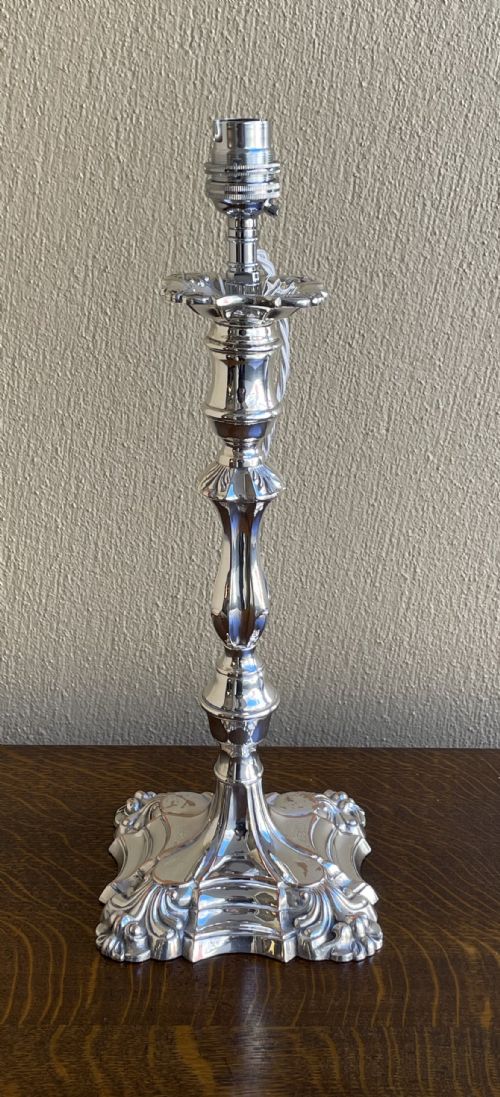
Silver plating, nickel plating, and gilt finishes provide reflective surfaces across table lamps and hanging chandeliers. Construction ranges from heavy structural standard lamps to intricate pressed brass and delicate glass prism assemblies.
Edwardian Metal Lamp Retail Price Guide 2026
Typical asking prices for edwardian metal lamp among the pieces listed under this phrase on Sellingantiques today, from the lower quarter to the upper quarter. They describe what is for sale here now, not the wider market.
Listings show heavy brass standard lamps, adjustable reading lights, and copper wall sconces spanning the Edwardian period and the early twentieth century.
Distinctions in craftsmanship
Quality rests in the heaviness of the metal gauge, the crispness of casting detail, and the integrity of adjustable mechanisms. Heavier brass columns, substantial marble bases, and hand-beaten copper surfaces indicate superior workshop output.
Design distinction separates standard commercial production from identifiable attribution to makers such as WAS Benson, G.E.C, or Veritas Lamp Works. Finer pieces demonstrate careful proportion, superior plating thickness, and integrated decorative motifs.
WAS Benson·G.E.C·Veritas Lamp Works·Verrerie Des Vosge
The Edwardian Metal Lamp Glossary
- Standard lamp
- A tall floor-standing lighting fixture designed to illuminate a room from a vertical metal shaft. These pieces often feature weighted bases and adjustable arms.
- Chandelier
- A branched ornamental ceiling light suspended to hold multiple candle or electric light sources. Examples range from simple glass prism designs to large gilt bronze frames.
- Arts and Crafts
- A design movement prioritising visible hand workmanship, beaten metal textures, and honest construction methods. Copper and wrought iron are frequently employed in this style.
- Veritas Lamp Works
- A manufacturing firm known for producing portable reading lamps and specialised metal lighting fixtures. Their pieces often incorporate practical mechanical adjustments.
- Gilt metal
- A base metal surface covered with a thin layer of gold leaf or gilt wash to simulate solid gold. This treatment appears frequently on French chandeliers and table lamps.
Edwardian Metal Lamp: Frequently Asked Questions
How do I identify an edwardian metal lamp?
Check the structural materials, weight, and decorative motifs against known periods between eighteen-eighty and nineteen-thirty. Look for characteristic Edwardian or Arts and Crafts styling in the metalwork.
Examine the construction methods, such as cast brass or beaten copper, to understand the manufacturing era. Maker attributions and specific switch or burner types also help confirm the date.
Were these lamps originally electric?
Many early lighting fixtures began as oil or gas lamps before later conversion to electricity. Standard floor lamps and table lights often show adaptation from earlier fuel sources.
Rewired examples retain their original metal framing while updating internal wiring for modern use. Some specialised pieces retain mechanisms from their original utility as reading or railway lamps.
How do I clean brass and copper lamp bases?
Dust metal surfaces gently with a soft dry cloth to prevent the accumulation of surface dirt. Avoid harsh chemical polishes that strip historic patination from antique copper and brass.
Preserve the existing finish by treating the metal with care, recognising that age and handling create desirable surface character. Lacquered or plated finishes require particularly cautious maintenance.