

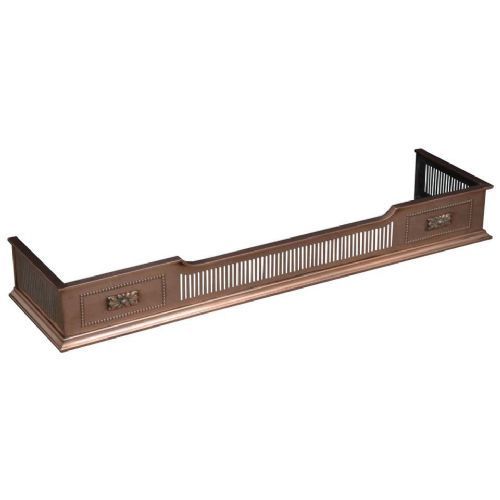


Edwardian Metal Fender
An edwardian metal fender anchors a hearth with practical elegance, offering both fireplace safety and polished period character.
Edwardian Metal Fender
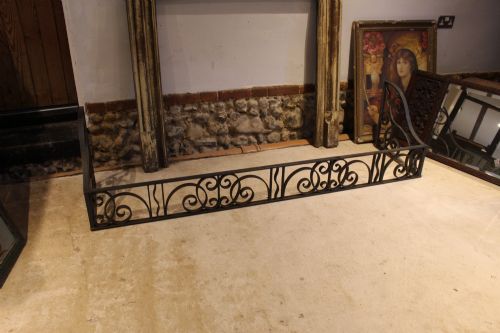
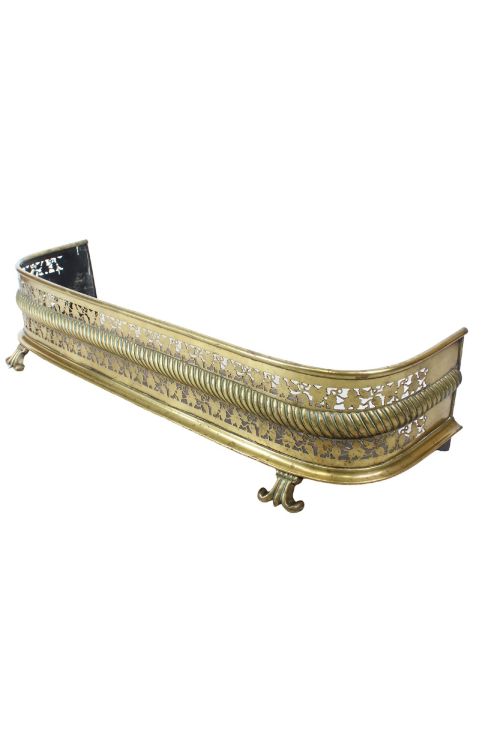
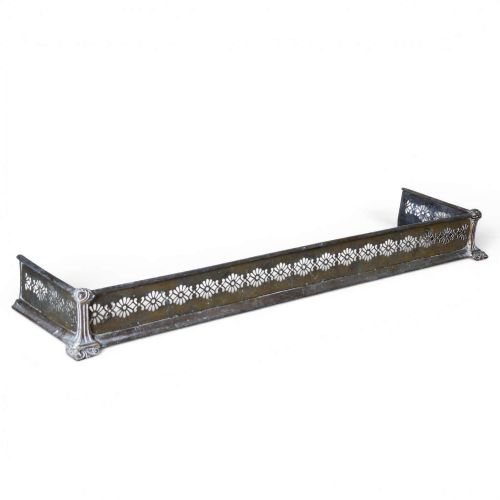
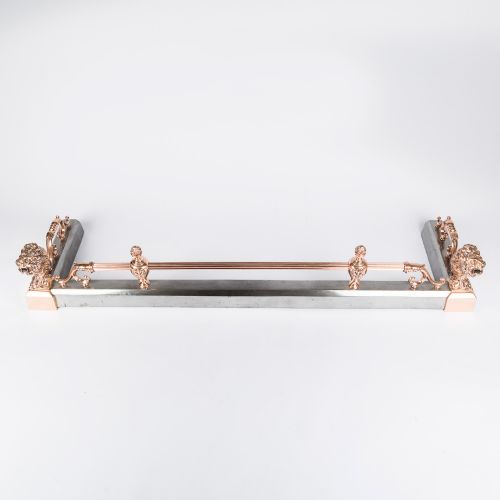
An edwardian metal fender frames a fireplace to contain embers and protect the hearth surround. The selection here brings together pieces spanning the late nineteenth century through to the nineteen-twenties.
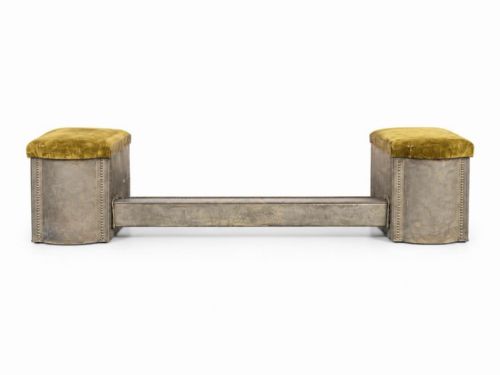
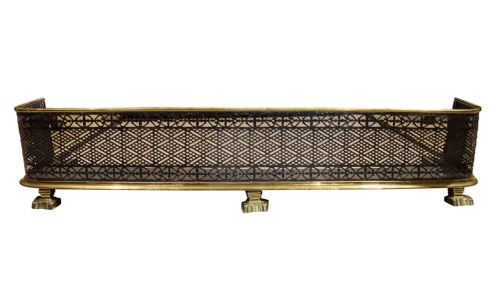
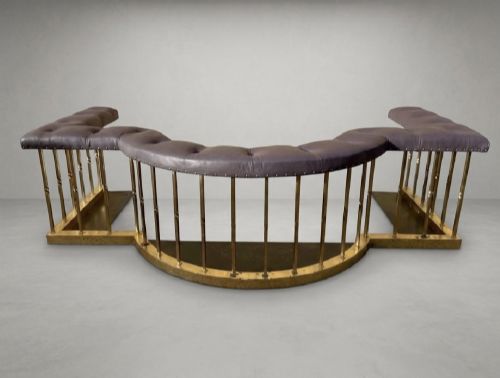
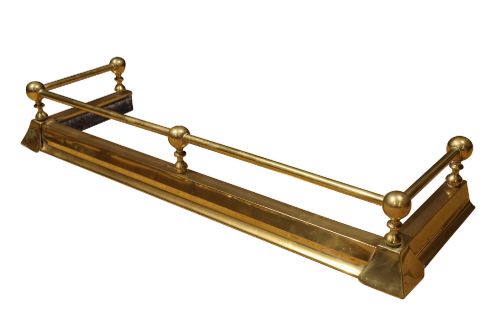
Forms range from simple extending brass and steel curbs to club fenders fitted with upholstered seats, nursery guards with mesh panels, and low copper kerbs designed for coal grates.
Most examples originate from English domestic settings, displaying styles from Victorian and Art Nouveau traditions to Arts and Crafts and Neoclassical Revival aesthetics.
Materials and construction
Makers utilised metals including brass, copper, steel, iron, and wrought iron, frequently combining polished brass sections with blackened or polished steel mesh. Surface ornamentation relied on beaten sheet copper, flower patera, and beaded decoration applied directly to the metalwork.
Club variations integrated wooden frames in oak alongside leather upholstery for the seats, whilst nursery versions incorporated wire mesh panels and clothes rails for functional domestic utility.
Edwardian Metal Fender Retail Price Guide 2026
Typical asking prices for edwardian metal fender among the pieces listed under this phrase on Sellingantiques today, from the lower quarter to the upper quarter. They describe what is for sale here now, not the wider market.
Design influences include Victorian, Art Nouveau, Edwardian, Arts and Crafts, and Neoclassical Revival styles.
Craftsmanship and distinction
Subtlety of decorative detail separates standard production from finer work, seen in the hand-beaten surfaces of Arts and Crafts copper and the crisp casting of floral patera on Victorian brass. The integrity of joints, the weight of the chosen gauge of metal, and the quality of original patination dictate the standing of each piece.
Proportion and scale also define the piece, as larger country house steel models demand heavier construction and more robust corner joints than smaller domestic hearth guards.
The Edwardian Metal Fender Glossary
- Club fender
- A low fireside surround featuring cushioned seats along the top rails, originally designed for social seating close to the fire. These often combine brass or wrought iron frames with leather upholstery.
- Nursery fender
- A taller protective guard incorporating wire mesh panels to keep children and stray embers safely away from the open fire. Many include integrated rails for airing garments.
- Patera
- A circular ornamental bas-relief plaque resembling a classical medallion or flower motif, frequently stamped or cast into metal fenders. They decorate the corners and main body of Victorian and Edwardian examples.
- Curb fender
- A low metal barrier that sits directly on the hearthstone to contain ash and coal. They are often adjustable in length to fit various fireplace openings.
- Patina
- The surface sheen and coloration developed through age, handling, and polishing over decades. Original patination shows the true history of the metal.
Edwardian Metal Fender: Frequently Asked Questions
How do I measure for a fender?
Measure the width and depth of your hearth stone carefully, allowing clearance for the fireplace surround and any protruding ash pans. Many period metal versions feature extending mechanisms to help secure a precise fit between the chimney jambs.
Take note of the internal dimensions as well as the external footprint to ensure the fender sits correctly around your specific grate without blocking hearth accessories.
What is a club fender?
A club fender is a fireside surround equipped with upholstered top rails that serve as low seats. Originating in large country houses, they allowed people to sit close to the warmth of the hearth.
The iron or brass frames provide sturdy support while the leather cushions offer comfortable seating during cooler evenings.
How do I clean brass and copper?
Clean brass and copper gently using a soft cloth and a proprietary metal polish designed for antiques, avoiding abrasive pads that can strip historic patination. Regular dusting helps prevent the buildup of soot and ash residue from the fireplace.
Take care around embossed details, flower patera, and beaten surfaces to preserve the crispness of the original decoration.
Are these fenders adjustable?
Certain metal designs incorporate sliding sections that allow the overall width to expand or contract within a specific range. This adjustability accommodated different hearth sizes in period homes.
Check the individual description to determine whether a particular piece offers an extending frame or remains fixed at a static dimension.