





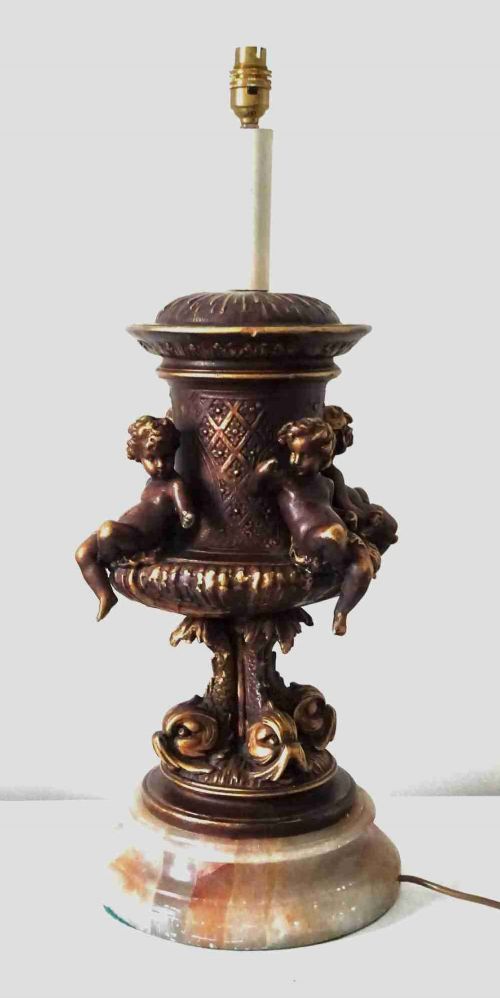


Edwardian Metal Desk Light
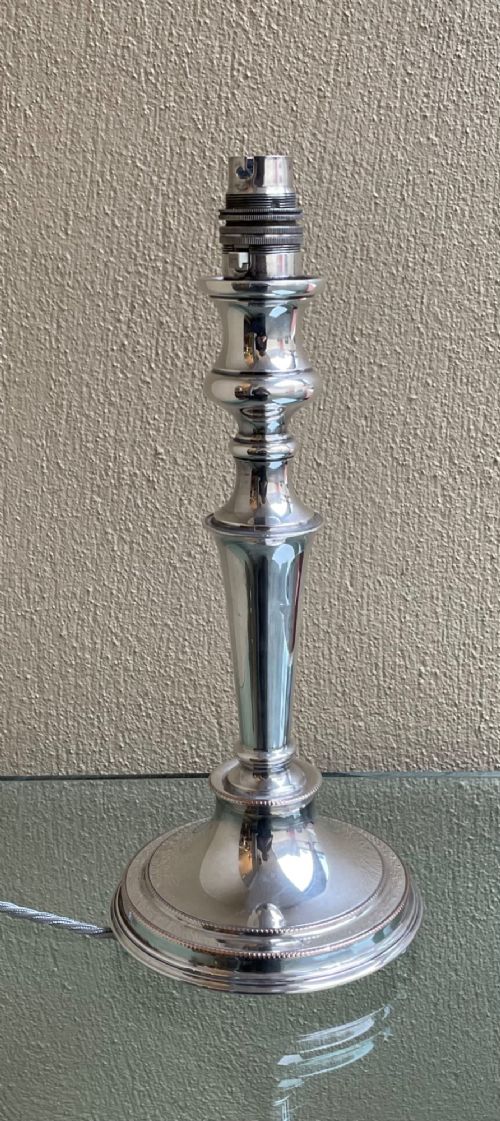
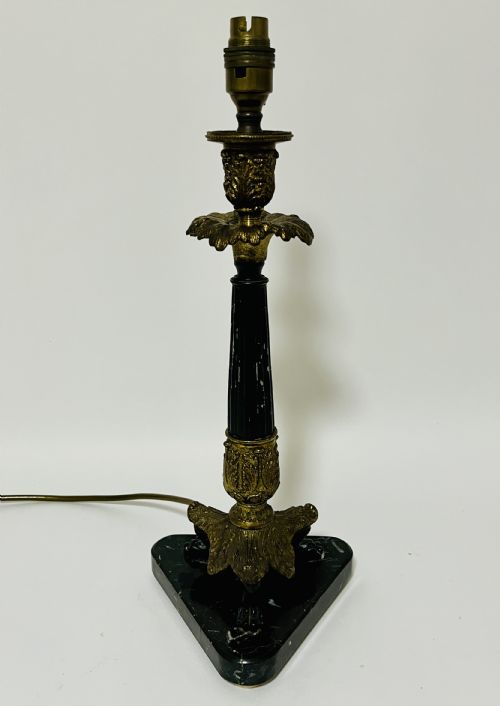
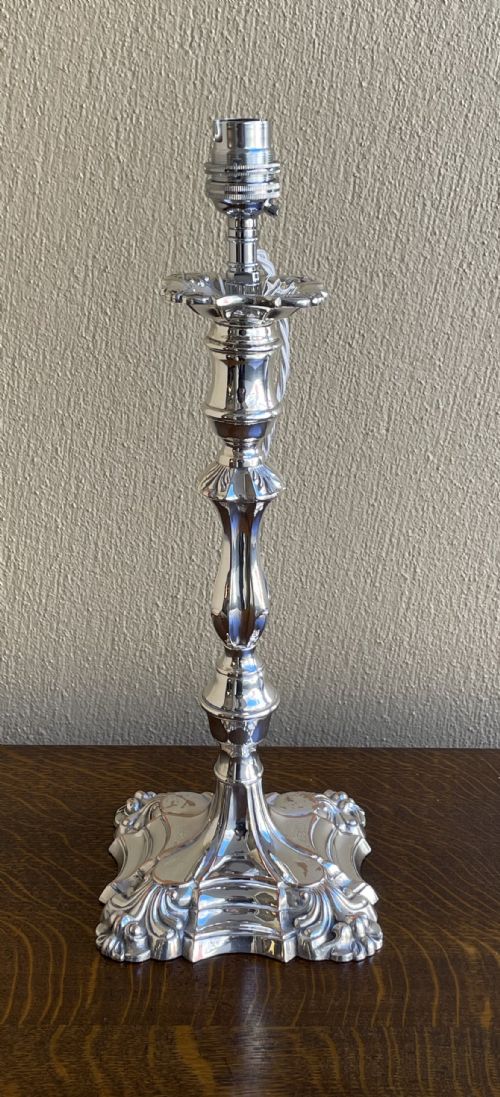
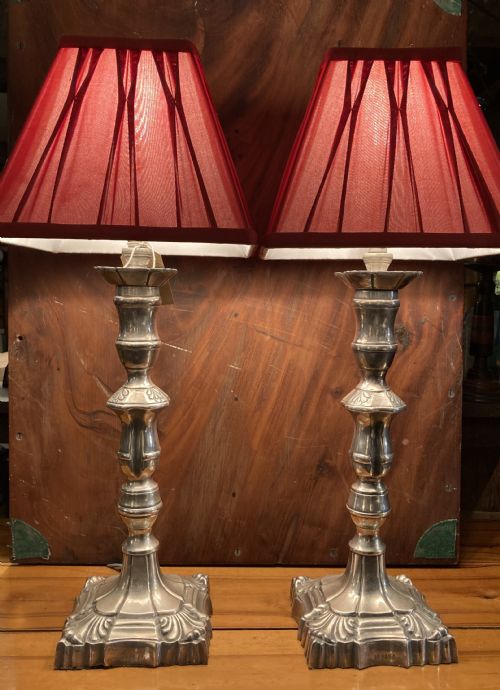
These edwardian metal desk light examples provide focused task illumination through solid brass, bronze, and nickel construction designed for period workspaces.
Edwardian Metal Desk Light
An edwardian metal desk light sits on a writing surface to concentrate direct illumination where work takes place. These functional objects emerge from periods spanning the late nineteenth century through the early decades of the twentieth century, including Edwardian, Art Deco, and Arts and Crafts movements.
Most pieces encountered here take the form of table lamps, desk lamps, and adjustable reading lights constructed in Britain and France. They incorporate adjustable joints, heavy bases, and specialised metal shades to direct light onto documents and books.
Makers utilised durable metallic elements to build sturdy frames that withstand daily use on writing desks and library tables. The surviving examples demonstrate the practical engineering demanded by offices and studies of the era.
How they were made
Makers constructed these lights using cast and spun brass, bronze, silver plate, nickel, and steel, often mounting heavy metal components onto marble bases for stability. Pressed brass and intricate metalwork form the decorative bodies of many examples, supplemented by fabric, glass, and parchment leather shades.
Engineering techniques include adjustable mechanical arms, weighted swivel joints, and twin branch configurations that allow the user to alter the angle of illumination. Many pieces integrate functional components designed by specialised manufacturers such as Veritas Lamp Works and WAS Benson.
Surface finishes range from polished white metal and gilt highlights to patinated bronze and copper. These treatments protect the underlying metal while providing the subdued reflection appropriate for a scholar's desk.
Edwardian Metal Desk Light Retail Price Guide 2026
Typical asking prices for edwardian metal desk light among the pieces listed under this phrase on Sellingantiques today, from the lower quarter to the upper quarter. They describe what is for sale here now, not the wider market.
Some models feature playful dolphins and cherubs supporting the illumination.
What varies in quality
Quality rests in the precision of the mechanical adjustments and the weight of the metal chassis. Superior pieces feature robust joints that hold position securely without slipping, alongside thick gauge brass or bronze that resists bending under regular adjustment.
The refinement of the casting and metalwork dictates the tier of the piece. Fine examples display crisp chasing, well-fitted collars, and substantial marble or solid brass bases that anchor the lamp firmly to the surface.
WAS Benson·Veritas Lamp Works
The Edwardian Metal Desk Light Glossary
- Spelter
- A zinc alloy used as a cheaper alternative to bronze for casting decorative lamp bases. It takes patination well but lacks the structural strength of brass.
- Gilt metal
- Base metal treated with a thin layer of gold paint or leaf to simulate solid or fire-gilded ormolu. This finish appears frequently on French neoclassical export lighting.
- Silver plate
- A thin coating of pure silver applied over a base metal core such as brass or copper. It provides the appearance of solid silver at a lower production cost.
- Arts and Crafts
- A design movement prioritising visible handcraftsmanship, simple structural forms, and honest materials over machine-made ornamentation. Pieces from this tradition often feature hammered copper and exposed rivets.
- Corinthian column
- A classical architectural column form frequently utilised for the stems of heavy brass table lamps. The capital is decorated with ornate acanthus leaves.
Edwardian Metal Desk Light: Frequently Asked Questions
What is an edwardian metal desk light?
An edwardian metal desk light is a task lamp produced around the turn of the twentieth century, utilising brass, copper, or plated metals to illuminate writing surfaces.
These pieces combine utilitarian engineering with period decorative styles such as Arts and Crafts or Neoclassical Revival.
How do you adjust the light?
Many examples incorporate mechanical hinges, swivel joints, or adjustable arms that pivot to change the angle of the beam.
Heavier desk lamps rely on weighted bases or balanced counterweights to maintain stability while the arm is repositioned.
Where were these lamps used?
They served on writing desks, library tables, and counting house surfaces where focused illumination was necessary for reading and paperwork.
Travelling versions were also manufactured for portability in hotels and studies.
How do I care for the metal finish?
Dust the metal components gently with a dry cloth and avoid harsh chemical polishes that can strip original patination.
Preserving the surface sheen maintains the historical character of the brass, bronze, or nickel plating.