







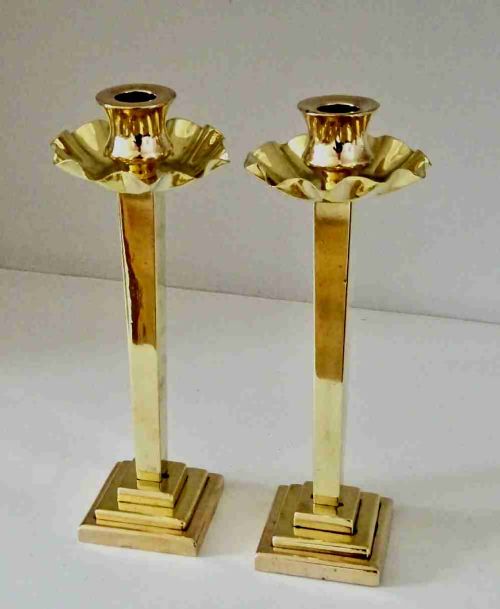
Edwardian Metal Candlesticks
Edwardian metal candlesticks bring genuine period weight to a room, offering functional illumination through solid brass, pewter and silver plate.
Edwardian Metal Candlesticks
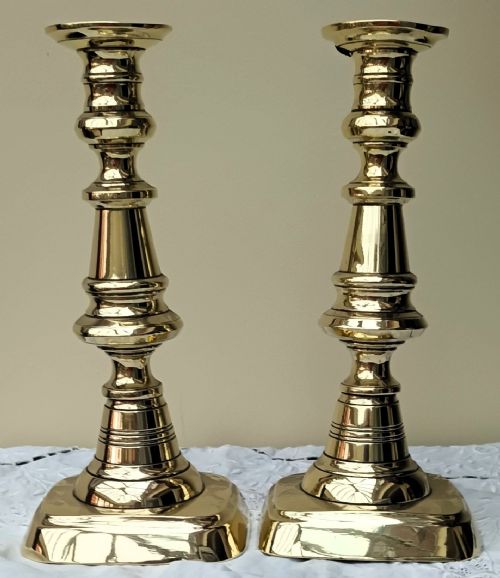
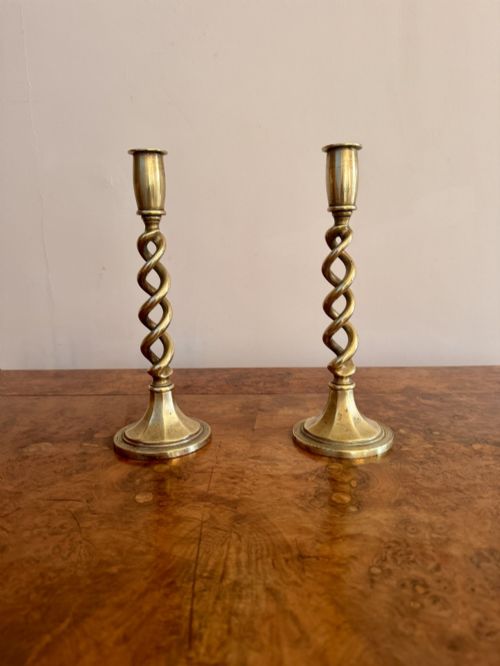
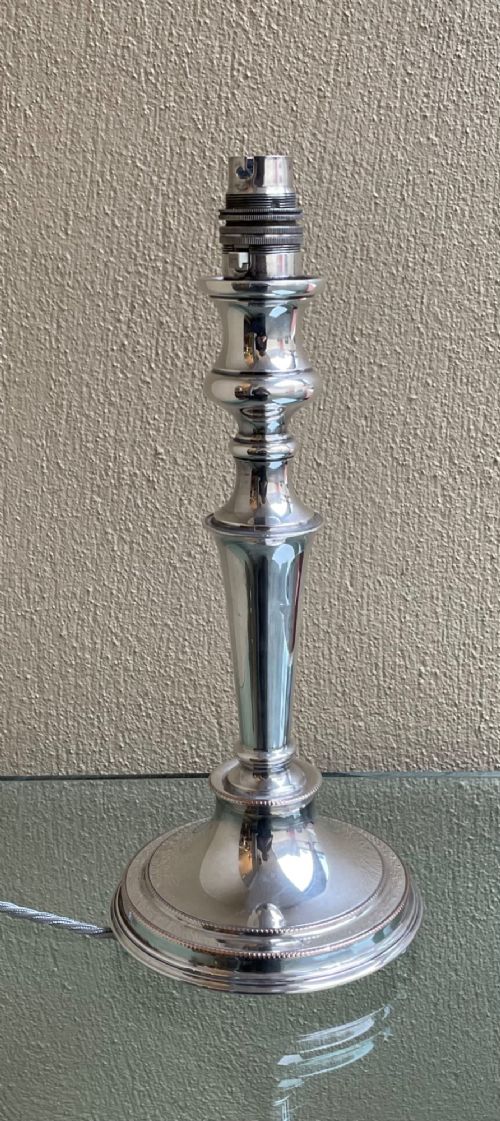
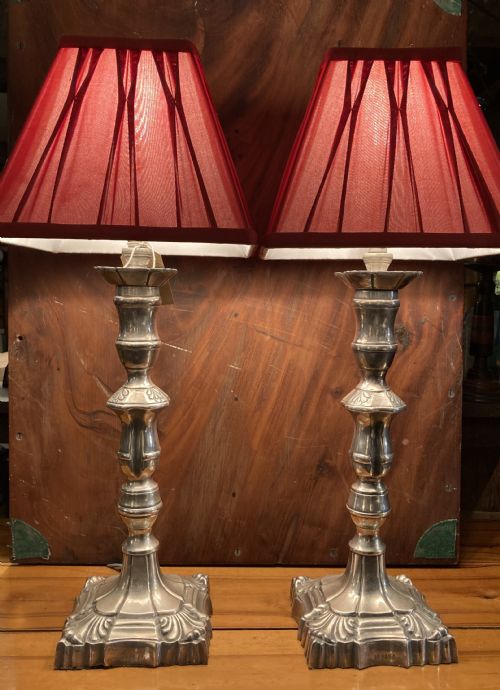
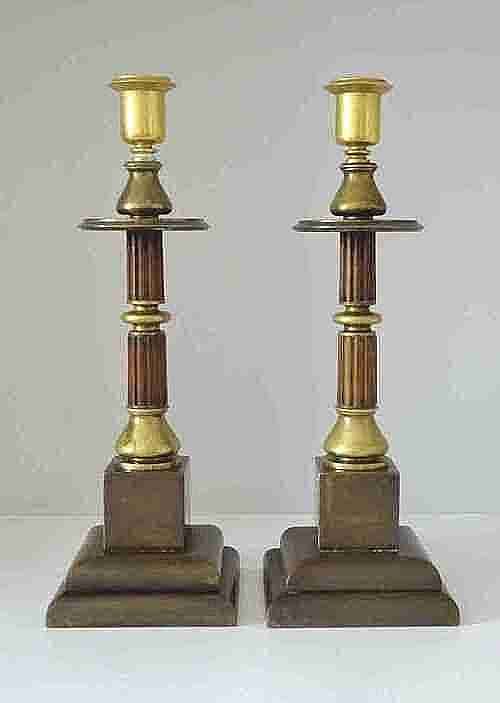
Edwardian metal candlesticks span the turn of the twentieth century, bridging late Victorian mass production and the arrival of modernist design. When you search for edwardian metal candlesticks, you encounter a distinct mix of domestic lighting forms, predominantly tall brass pairs alongside chambersticks and conversion table lamps.
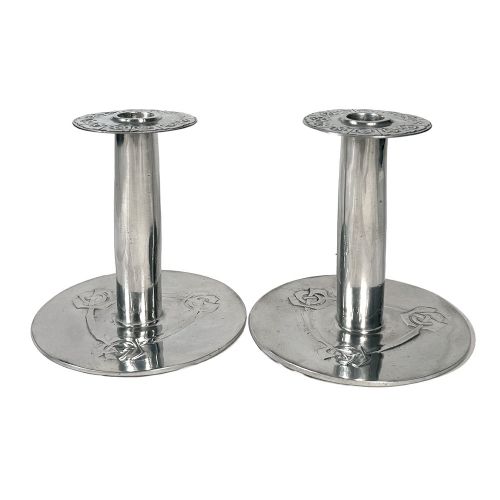
The material palette is anchored firmly in cast and turned brass, though pewter and silver plate appear with regularity. Stylistic influences lean heavily into Art Nouveau curves and Arts and Crafts plainness, sitting comfortably alongside lingering Victorian industrial forms.
Most surviving examples emerge from the opening decades of the twentieth century, specifically between nineteen hundred and nineteen twenty. Pairs dominate the selection, making them useful for mantelpieces and dining tables where symmetry matters.
How They Were Made
Makers utilised brass casting and turning techniques to build rigid, weighty shafts on weighted bases. Pewter items frequently relied on soft metal casting, capturing the organic whiplash lines favoured by Art Nouveau designers.
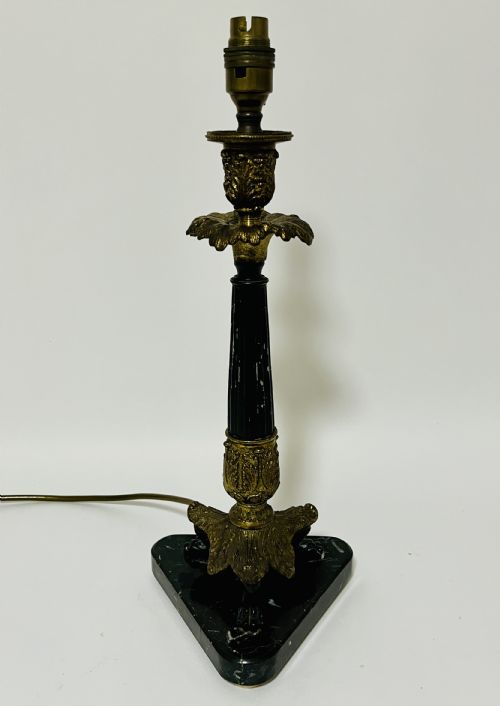
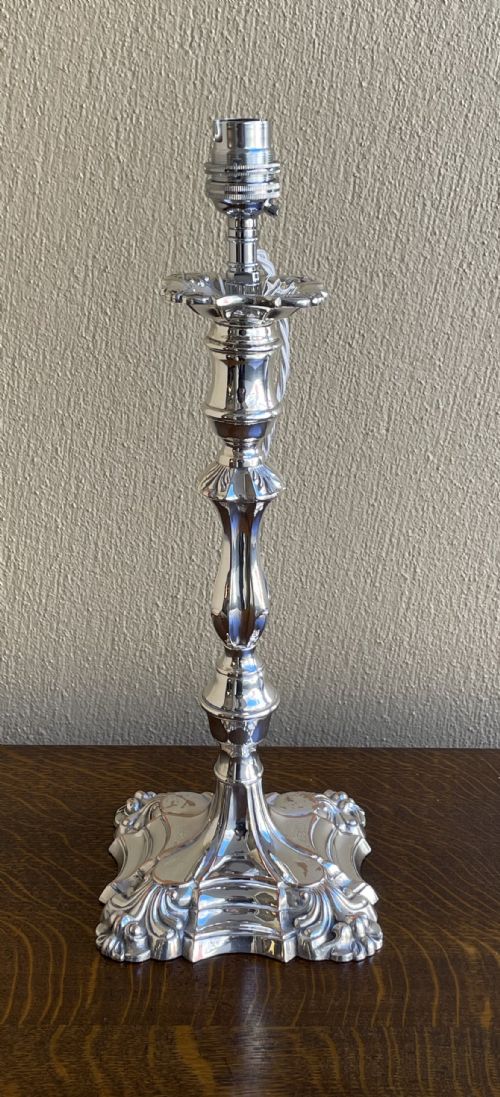
Silver plating and nickel plating provided a bright, reflective surface over base metals for domestic interiors. Gilt bronze and marble combinations added heavier architectural presence to standard and table lamps.
Edwardian Metal Candlesticks Retail Price Guide 2026
Typical asking prices for edwardian metal candlesticks among the pieces listed under this phrase on Sellingantiques today, from the lower quarter to the upper quarter. They describe what is for sale here now, not the wider market.
Object forms range from standard reading lamps and chambersticks to tall paired mantel candlesticks.
What Varies in Quality
Substantial wall thickness in the metal separates robust domestic pieces from lighter, hollow alternatives. Superior items display clean, sharp casting details that retain crispness rather than softening at the edges from worn moulds.
The assembly method dictates longevity, with threaded solid brass components outlasting simpler soldered joints. Base weighting determines stability, ensuring tall shafts remain upright during daily use.
Veritas Lamp Works·WMF
The Edwardian Metal Candlesticks Glossary
- Chamberstick
- A low candlestick fitted with a saucer base and a loop handle for carrying room to room. These portable pieces were essential for lighting bedrooms before electric wiring reached upstairs corridors.
- Art Nouveau
- A decorative style characterised by flowing, organic lines and stylised plant motifs. This aesthetic appears frequently on pewter and brass candlesticks from the nineteen hundreds.
- Arts and Crafts
- A design movement prioritising honest construction and visible hand craftsmanship over machine ornamentation. Candlesticks in this style often display hammered surfaces and plain geometric profiles.
- Silver Plate
- A thin layer of silver bonded to a base metal core such as brass or copper. This technique allowed domestic objects to achieve the appearance of solid silver at a lower cost.
- Pewter
- A malleable tin alloy prized for its dark, muted lustre and suitability for complex casting. Makers used it widely for decorative candle holders during the early twentieth century.
Edwardian Metal Candlesticks: Frequently Asked Questions
How do I clean old brass?
Warm soapy water and a soft cloth remove surface dust without harming the underlying metal. Avoid harsh chemical polishes that strip away age and character.
Patina builds over decades of handling, so gentle cleaning maintains the historical appearance rather than creating a bright factory shine.
Are these candlesticks safe for modern candles?
Standard taper candles fit most historical sockets securely, though slight variations in sizing occur across different manufacturing dates. Dripping wax can be managed by using snug-fitting inserts if necessary.
Checking the stability of the base ensures the piece will not tip during extended burning.
How do I distinguish Edwardian from Victorian metalwork?
Edwardian pieces generally shed heavy Victorian ornamentation in favour of cleaner silhouettes and lighter proportions. Art Nouveau and Arts and Crafts influences begin to dominate the design vocabulary.
Surface finishes also shift, with a preference for softer pewter textures and brighter plated surfaces.
Can I convert these lamps for modern wiring?
Many table lamps and standard lamps on this page already feature period or later electrical conversions. Professional rewiring ensures compliance with current safety standards while preserving the exterior metal body.
Original sockets and wiring should be inspected by an electrician before daily plug-in use.