

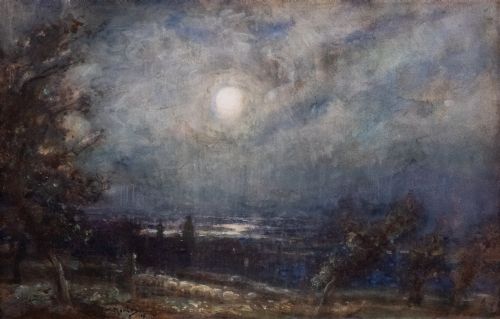
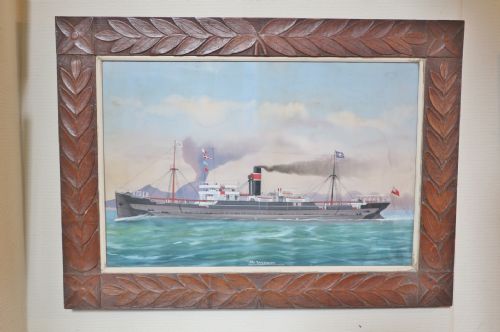
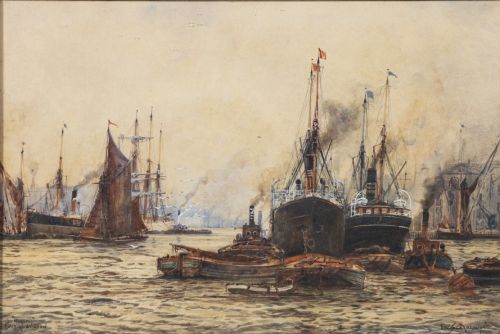
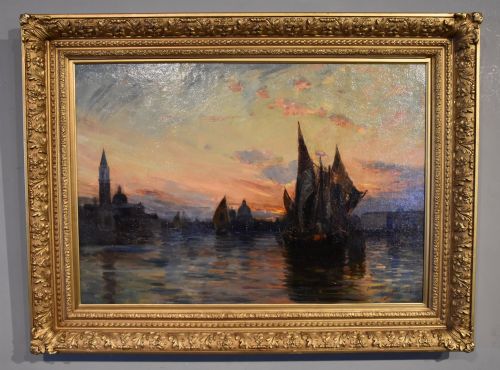
Edwardian Maritime Painting
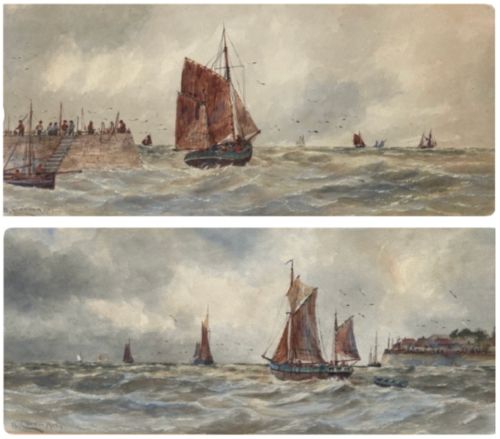
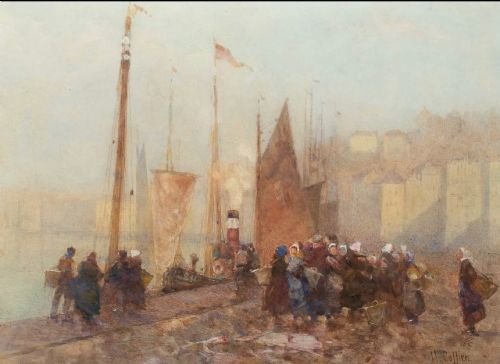
When you seek an edwardian maritime painting, you meet works capturing naval vessels, working fishing boats, and coastal harbours from the turn of the twentieth century.
Edwardian Maritime Painting
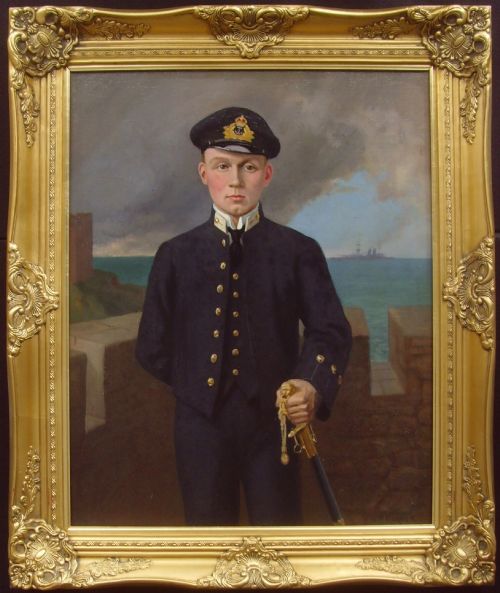
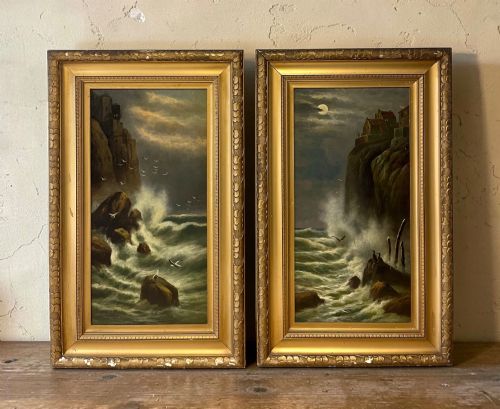
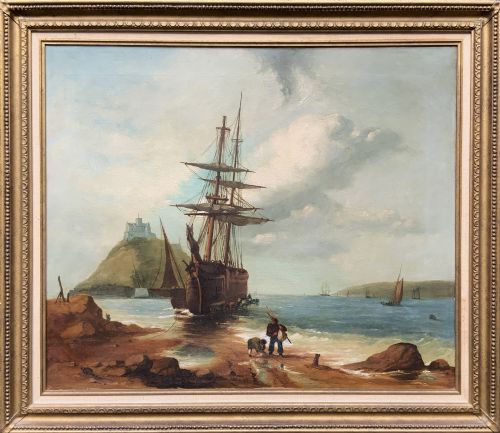
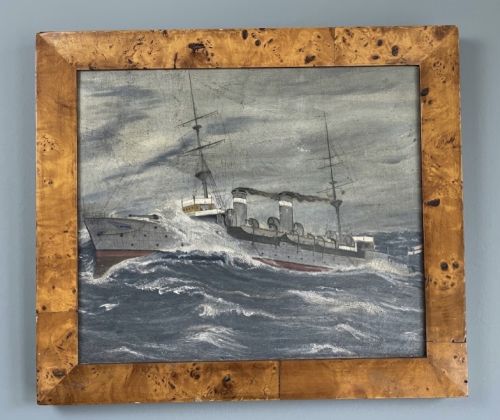
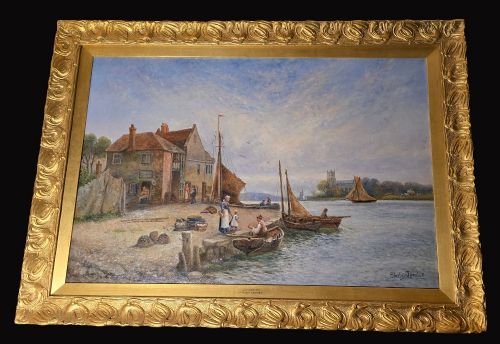
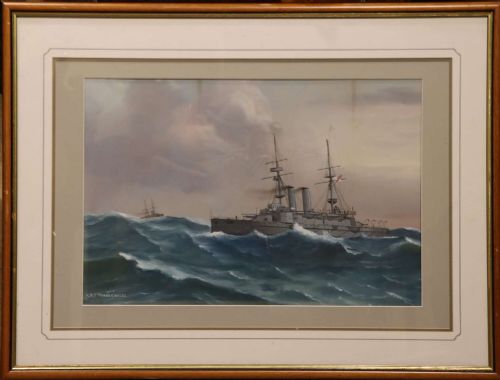
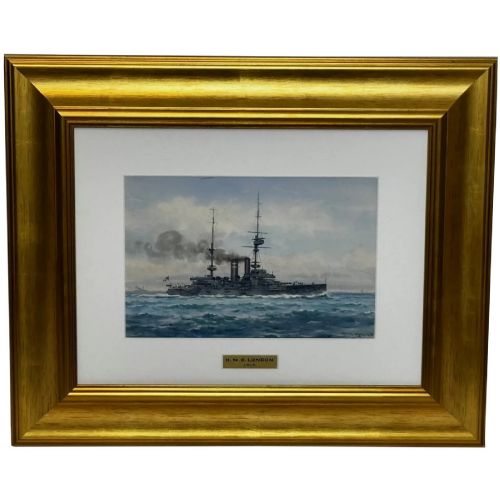
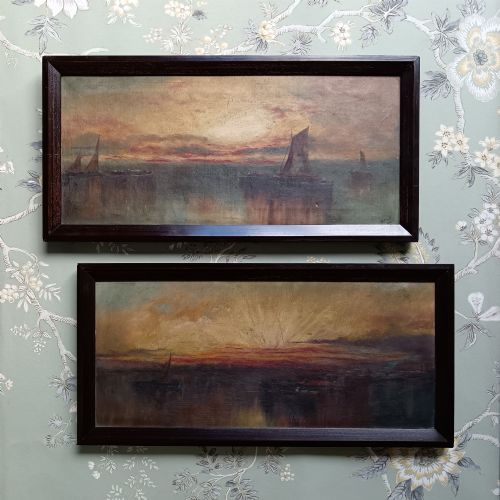
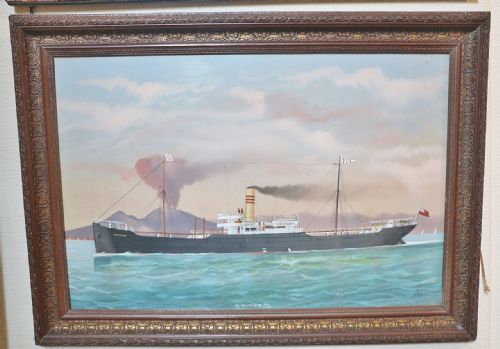
An edwardian maritime painting records the working vessels, naval ships, and coastal scenes of the early twentieth century through oil on canvas or delicate works on paper. These pieces range from detailed depictions of named steamships and ironclad battleships to atmospheric watercolours of fishing fleets in British and European harbours.
You are most likely to encounter signed watercolours and gouache works on paper depicting Yorkshire ports, Cornish fishing luggers, and Thames barges. Many capture specific historical vessels like the S.S. Greyhound or naval warships, framed behind glass with period wooden surrounds.
The selections also stretch to include related coastal landscapes and China Trade paintings of junks, reflecting an era deeply connected to maritime trade and naval power.
How They Were Made
Artists of this period applied oil paint to stretched canvas or board, building up rich textures for stormy seas and coastal skies. Others worked in watercolour and gouache pigment on paper, utilising the white of the sheet to capture the glare of sunlight on water.
Works on paper were typically mounted under glass within wooden frames, while oil paintings on canvas often remained in heavy gilt or painted wood frames designed to complement the domestic interiors of the era.
Edwardian Maritime Painting Retail Price Guide 2026
Typical asking prices for edwardian maritime painting among the pieces listed under this phrase on Sellingantiques today, from the lower quarter to the upper quarter. They describe what is for sale here now, not the wider market.
Listings feature works executed in oil on canvas, watercolour pigment, and gouache on paper, spanning the late nineteenth century through the 1930s.
What Varies in Quality
Quality rests upon the artist's firsthand familiarity with maritime architecture and atmospheric conditions, separating accurate depictions of rigging and hull forms from generic watercolours. Signed works by documented painters from groups like the Staithes art colony demonstrate superior handling of coastal light and movement compared to anonymous studio pieces.
Condition plays a major role, particularly with works on paper where watercolour pigment can fade or suffer foxing if exposed to dampness over the decades. Original framing and contemporary inscriptions identifying specific ships or locations add historical weight to the piece.
Frank Watson Wood·Thomas William Morley·Frank William Scarbrough·Hector Caffieri·William Matthison·Thomas Hodgson Liddell·Alexander Harwood·Frank Kelsey·F A Roylance·George F Pennington·Alfred George Morgan·Charles Napier Hemy·Richard Harry Carter·Pieter Cornelis Dommersen·Daniel Sherrin·Tom Clough·Stanley Leader·Edward Henry Eugene Fletcher·Fred Waugh·James Watson·George Hamilton Constantine·John Bell
The Edwardian Maritime Painting Glossary
- Gouache
- An opaque watercolour paint that includes a binding agent, producing a heavier, more solid finish on paper or board. Artists utilised it to create bright highlights on churning seas and metal hulls.
- Lugger
- A small two-masted fishing vessel carrying lug sails, frequently seen operating off the Devon and Cornwall coasts in works from this period.
- Ironclad
- A steam-propelled warship protected by iron or steel armour plates, built from the late nineteenth into the early twentieth century.
- China Trade
- Paintings produced in treaty ports such as Hong Kong for western clients, typically depicting local junks and shipping traffic in accurate detail.
- Foxing
- Brown spots that appear on old paper due to chemical reactions over time, often seen in watercolours stored in humid conditions.
Edwardian Maritime Painting: Frequently Asked Questions
What subjects appear in these paintings?
These works depict a wide variety of vessels, ranging from working fishing boats and coastal luggers to steamships, ocean liners, and naval warships. Harbours, quaysides, and stormy coastal seas form the primary settings for the maritime activity recorded by artists of the era.
Many pieces also capture named ships engaged in daily trade or historic naval service, providing a direct record of early twentieth-century maritime life.
How do I distinguish watercolours from oil paintings?
Watercolours and gouache works are executed on paper or board and must be displayed behind protective glass to prevent surface damage. They typically exhibit a more fluid, translucent quality where the texture of the paper remains visible beneath the pigment.
Oil paintings utilise heavier paint applied to stretched canvas or wooden panels, creating a textured surface that does not require glass. These pieces are usually housed in heavier wooden frames suited to the weight of the canvas.
Were these painted on the spot or in studios?
Many artists sketched en plein air along quaysides and aboard vessels to capture accurate details of rigging, weather, and sea states. They often completed the final canvases or finished watercolours back in their studios using these initial field studies.
Works depicting specific historical events or named ships often relied on detailed commissions or photographs to ensure absolute accuracy in the vessel's configuration.
How should I care for a paper maritime painting?
Works on paper require protection from direct sunlight, which causes watercolour pigments to fade over time. Maintaining a stable indoor environment away from excessive moisture helps prevent the formation of foxing spots on the paper.
Keeping the original frame intact and ensuring the backing board is acid-free will further preserve the condition of the artwork for the future.