

Edwardian Mantel
These edwardian mantel pieces bring domestic timekeeping and focal mirror placement together with the polished timber and gilt work typical of the period.
Edwardian Mantel
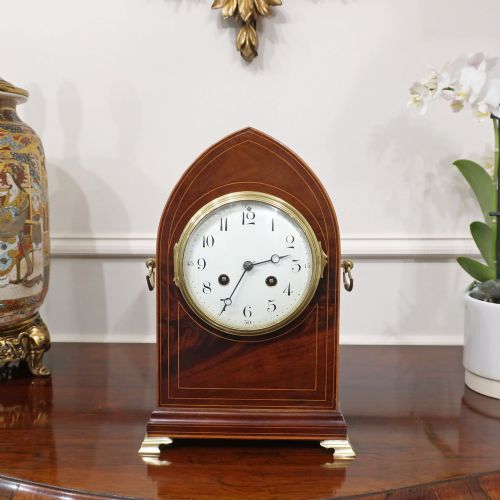
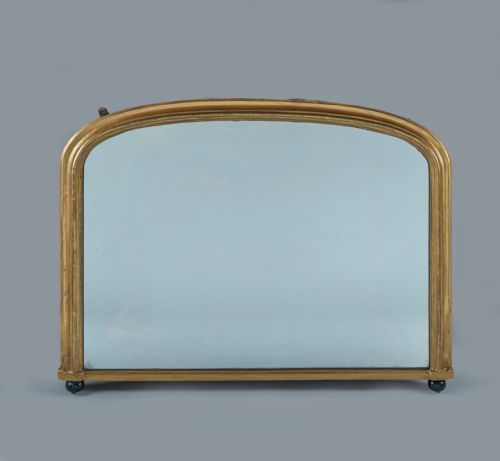
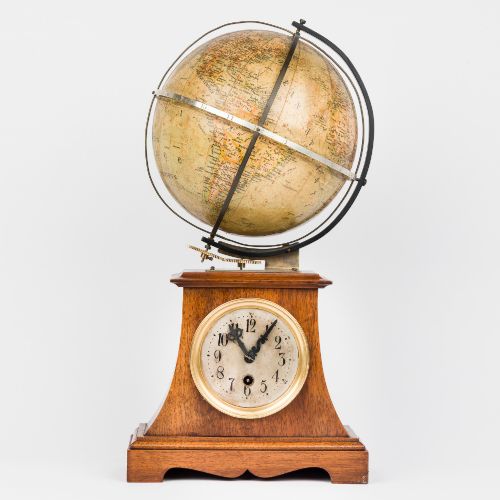
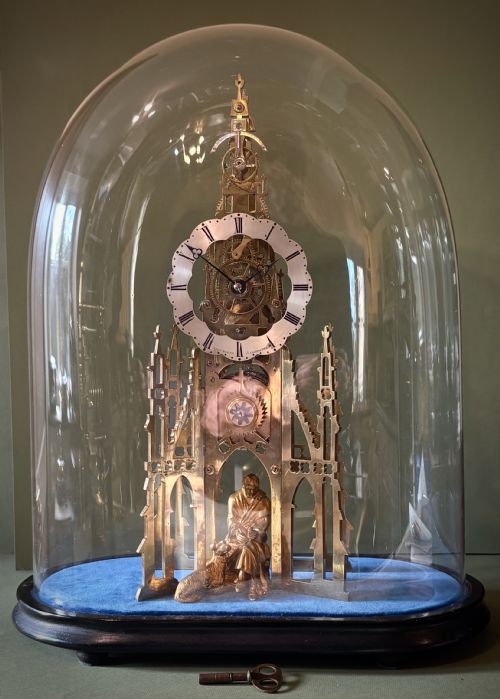
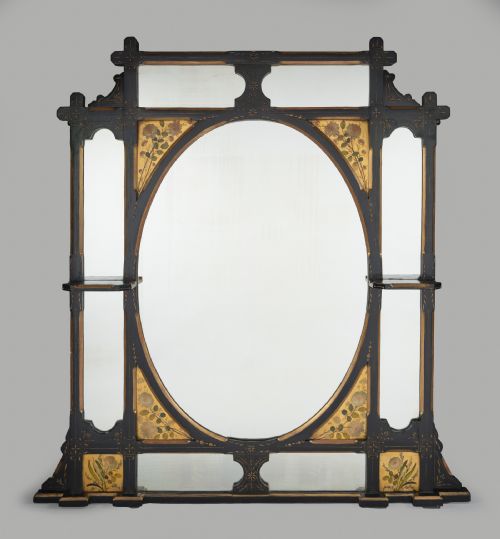
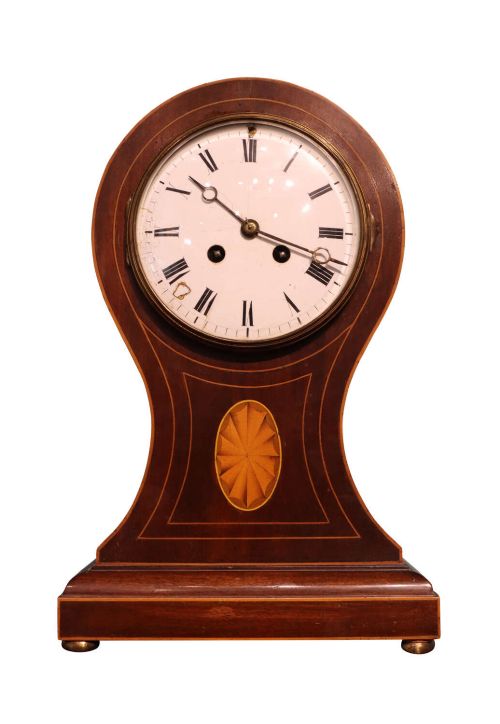
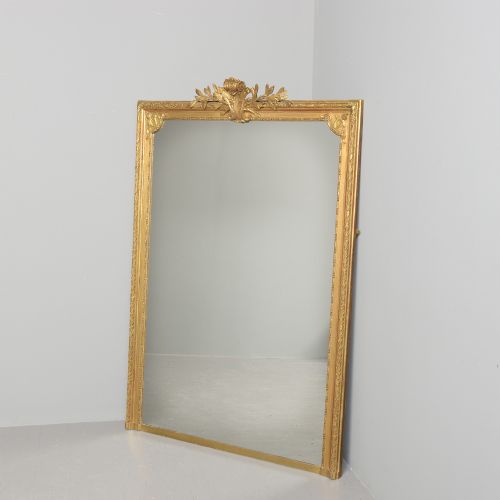
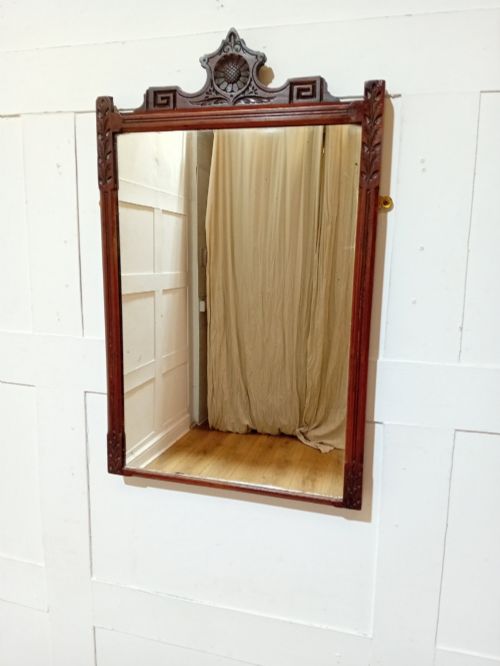
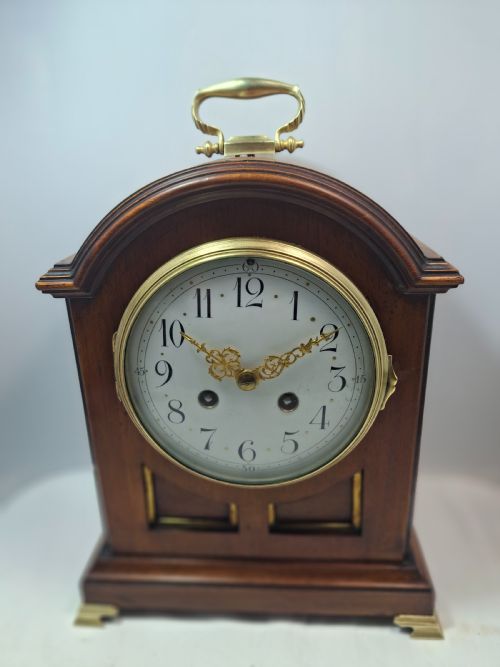
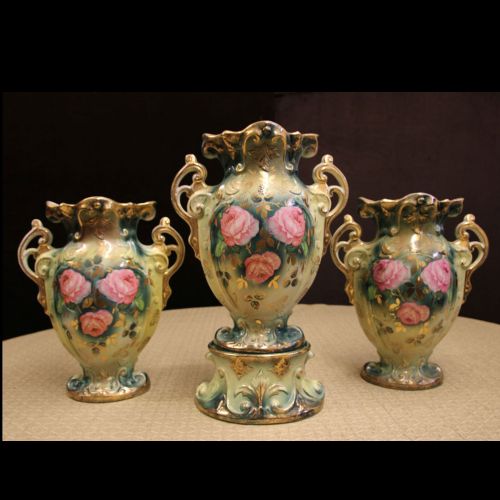
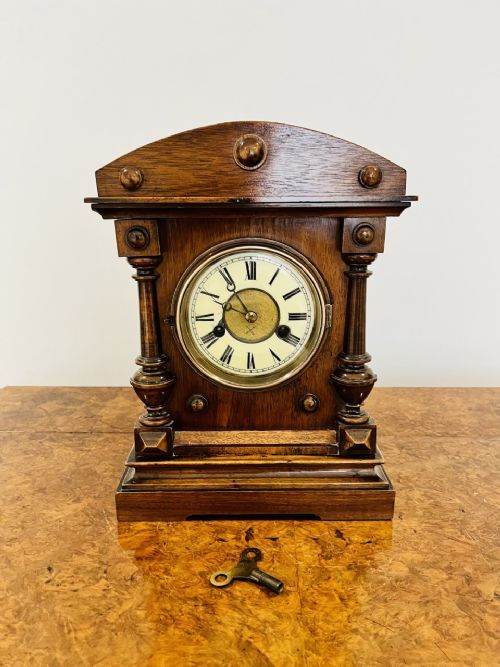
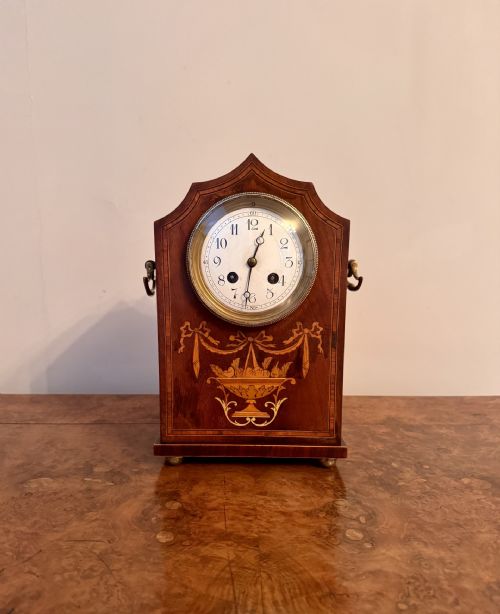
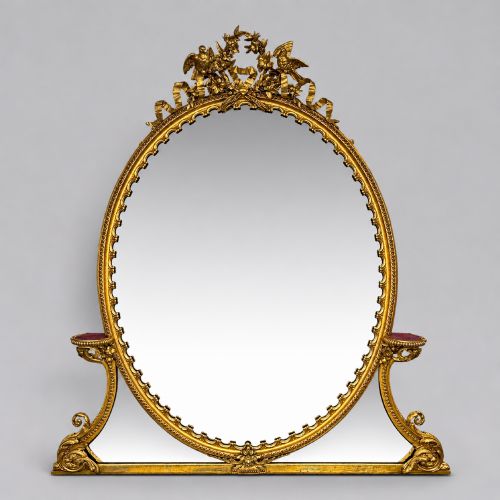
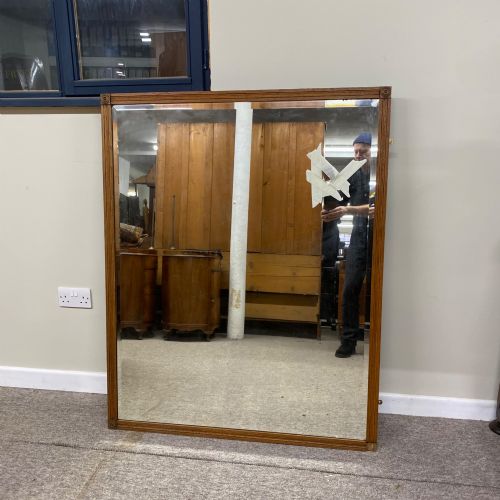
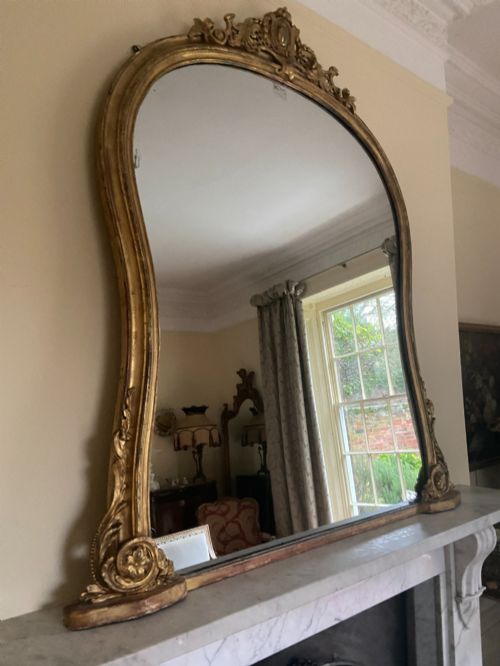
When searching for an edwardian mantel, buyers encounter a diverse selection of timepieces, overmantel mirrors, and decorative objects designed to sit upon a fireplace ledge or adorn a principal room. The classification encompasses inlaid mahogany clocks, carriage clocks, barometer combinations, and large arched overmantel mirrors in giltwood and gesso frames.
Mahogany cases featuring marquetry inlay predominate amongst the wooden clock offerings, often paired with brass dials or silvered elements. Alongside these, large architectural mirrors in carved wood and gesso dominate the vertical space above the hearth.
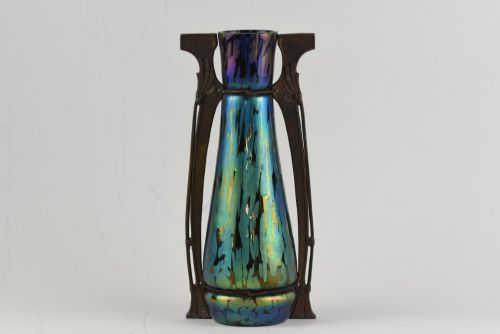
Origins span English workshops alongside continental makers from France, Germany, and Switzerland, introducing marble mounts, enamel details, and diverse stylistic influences ranging from Art Nouveau to French Belle Epoque.
Materials and Construction
Makers utilised timber veneers such as mahogany and walnut over solid structural wood, applying delicate marquetry inlay to enrich the flat surfaces of clock cases and barometer surrounds. Giltwood and gesso frames required skilled carving and layered application of plaster and gold leaf to achieve elaborate arched overmantel designs.
Metal components involved cast brass, bronze, and gilt-brass for clock bezels, carriage frames, and decorative mounts. Porcelain, enamel, and rouge marble appeared as dial faces and structural housings, reflecting the integration of diverse craft disciplines in domestic interior items.
Edwardian Mantel Retail Price Guide 2026
Typical asking prices for edwardian mantel among the pieces listed under this phrase on Sellingantiques today, from the lower quarter to the upper quarter. They describe what is for sale here now, not the wider market.
Listings feature mahogany, oak, walnut, and rouge marble alongside glass, brass, enamel, and giltwood overmantel mirrors.
Distinctions in Execution
Quality rests in the precision of the timber inlay, the crispness of the carved gesso and giltwood foliage, and the refinement of the metal clock movements. Finer examples display meticulous joinery and balanced proportions, whilst simpler versions rely on unadorned timber or standard commercial brass fittings.
The integrity of the original surface finish, whether French polish on mahogany or the undisturbed gilding on an arch top mirror, determines the visual authority of the piece within an interior.
Henri Jacot·Walker and Hall·Royal Doulton·Locke and Co·Georg Adam Scheid
The Edwardian Mantel Glossary
- Overmantle mirror
- A large mirror specifically designed to hang or stand on the mantelpiece above a fireplace. These frequently feature architectural frames with carved gesso and giltwood details.
- Marquetry
- Decorative woodwork where small pieces of veneer are fitted into a design on a solid wooden ground. This technique creates geometric or floral patterns on clock cases.
- Carriage clock
- A small, portable spring-driven clock with a carrying handle, originally made for travelling. Examples often feature brass or gilt-brass cases with glass panels revealing the movement.
- Gesso
- A plaster-like material applied to wooden frames as a smooth base for gilding. It allows for intricate relief carving before the application of gold leaf.
Edwardian Mantel: Frequently Asked Questions
Where should an overmantel mirror be placed?
These mirrors anchor the visual space directly above a fireplace opening, reflecting light and surrounding furnishings. They can be wall-mounted securely or rested safely on the mantel ledge.
Ensure the weight is adequately supported by appropriate fixings in the wall structure, especially for large giltwood examples.
How do I wind a mantel clock?
Most mechanical clocks utilise a key inserted into specific winding holes on the dial face to tension the mainsprings. Care must be taken not to over-wind the mechanism.
Consult the specific movement type, whether an eight-day or fourteen-day strike, to establish the correct maintenance routine.
How do I care for mahogany clock cases?
Keep wooden cases away from direct heat sources and strong sunlight to prevent the mahogany veneer from drying out or fading. Dust gently with a dry, soft cloth.
Occasional application of appropriate wax polish maintains the lustre of the polished surface without building up residue.
What defines Art Nouveau style in these pieces?
Art Nouveau items incorporate organic, flowing lines inspired by natural forms such as plant stems and floral motifs. This aesthetic appears in carved mirror frames and clock cases.
The style marks a departure from historic revivalism towards more sinuous, unified designs.