

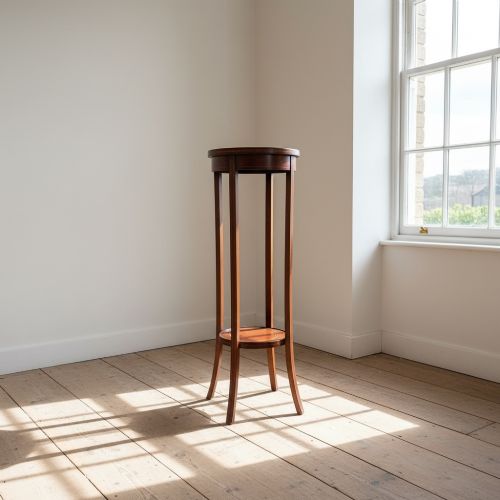


Edwardian Mahogany Planter
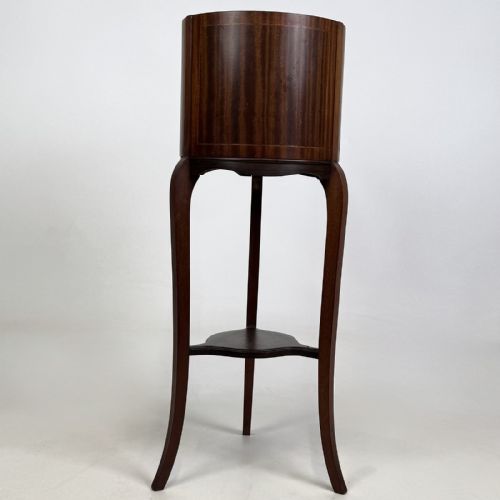
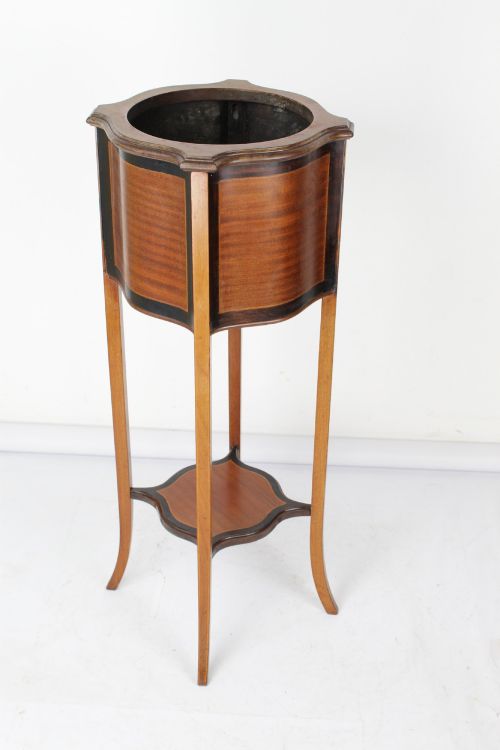
An edwardian mahogany planter brings structural warmth to a corner, combining rich timber with metal liners for domestic greenery.
Edwardian Mahogany Planter
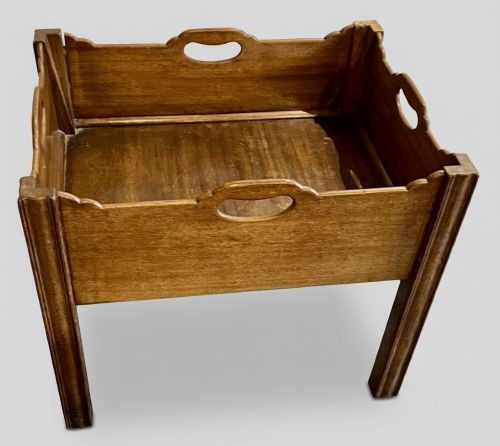
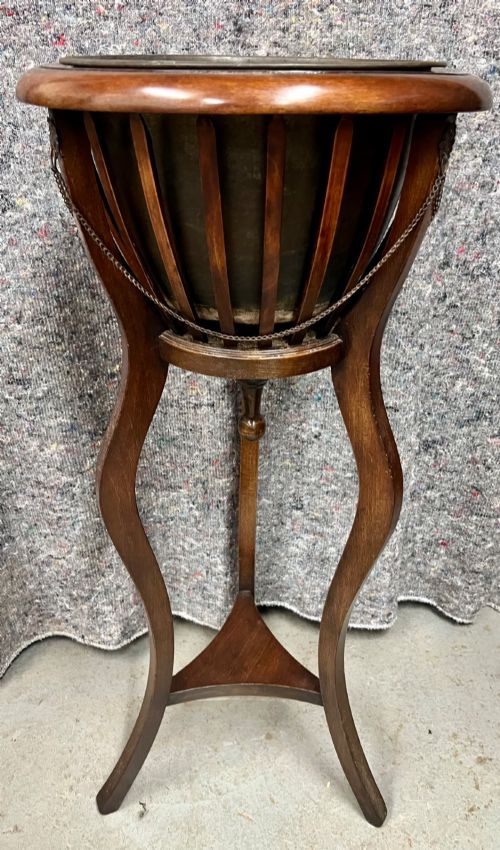
When you search for an edwardian mahogany planter, you find pieces designed to hold potted plants indoors, mostly taking the form of plant stands, jardinieres, and peat buckets. The Edwardian examples dominate the selection, though pieces stretch across the nineteenth century into the twentieth century.
Makers of the period applied various styles, including Georgian revival and French chateau influences, to standard domestic vessels. You encounter tall plant stands alongside floor-standing jardinieres, occasionally incorporating dual functions like cellarettes or tea stoves.
The core function remained housing greenery, which dictated the inclusion of protective liners made from metal or brass. These forms sit comfortably in both period and modern interiors, serving practical display roles.
Assessing Quality and Execution
Quality separates pieces through the precision of the cabinetwork and the crispness of any boxwood or satinwood inlay. Finer examples display meticulous matching of timber grain and cleanly executed stringing.
The integration of brass hardware also marks the distinction between standard production and higher-grade commissions. Heavy, well-fitted brass banding and original metal liners indicate superior original manufacture.
Edwardian Mahogany Planter Retail Price Guide 2026
Typical asking prices for edwardian mahogany planter among the pieces listed under this phrase on Sellingantiques today, from the lower quarter to the upper quarter. They describe what is for sale here now, not the wider market.
Some versatile nineteenth-century frames managed a double life, doubling as tea stoves, knitting baskets, or peat buckets.
The Edwardian Mahogany Planter Glossary
- Jardiniere
- An ornamental pot or stand for holding plants or flowers. These vessels often featured metal liners to protect the surrounding timber structure.
- Cellarette
- A lockable container used originally for storing wine bottles, occasionally adapted in form or repurposed alongside planter designs. They share similar stave construction.
- Boxwood Inlay
- A contrasting pale timber inserted into recesses of a darker ground wood to create decorative geometric lines. It defines much of the Edwardian decorative output.
- Peat Bucket
- A deep wooden container traditionally used for holding peat fuel by a hearth, frequently constructed with brass bands and used as a planter form. They possess sturdy cylindrical bodies.
- Flame Mahogany
- Timber cut from the fork of the mahogany tree, yielding a distinctive ripple pattern that resembles flickering flames. Cabinetmakers reserved this veneer for prominent exterior surfaces.
Edwardian Mahogany Planter: Frequently Asked Questions
What is the difference between a jardiniere and a plant stand?
A jardiniere typically refers to the pot or vessel itself, designed with a watertight liner to hold soil and plants directly. A plant stand is the supporting table or column elevated on legs to display that pot.
In many listings, the terms overlap because makers combined the vessel and the stand into a single integrated piece of furniture.
How were these planters used originally?
Victorian and Edwardian households utilised these pieces to bring living palms, ferns, and flowering plants indoors safely. The metal liners caught drainage water to protect delicate carpets and polished wooden floors.
They stood in drawing rooms, hallways, and conservatories as part of the domestic interior display.
Are the metal liners usually original?
Many pieces retain their original brass or metal liners, which show appropriate signs of age, oxidation, and water use. Some pieces have replacement liners made to fit the historical dimensions.
Checking the interior reveals whether the liner matches the period wear of the outer mahogany body.
How do I care for mahogany furniture with brass bands?
Keep these items away from direct heat sources and strong sunlight to prevent the mahogany timber from drying and splitting. Dust the surface regularly with a dry cloth and apply occasional wax to nourish the grain.
Clean the metal liners separately and ensure they are completely dry before placing them back into the timber housing.