
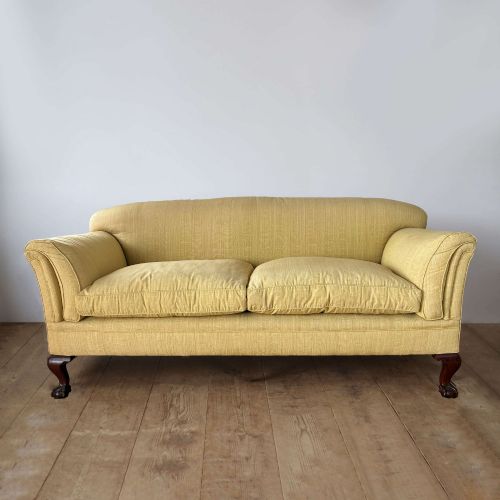


Edwardian Mahogany Couch
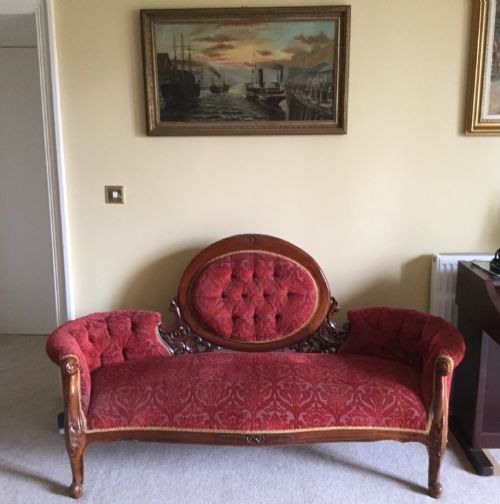
An edwardian mahogany couch brings the tailored elegance of the early twentieth century into a room with solid timber frames and graceful upholstery.
Edwardian Mahogany Couch
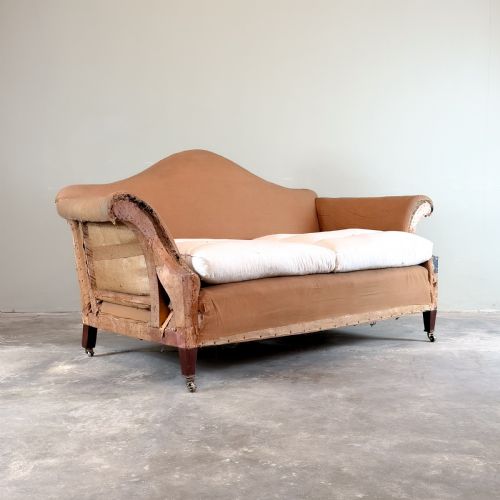
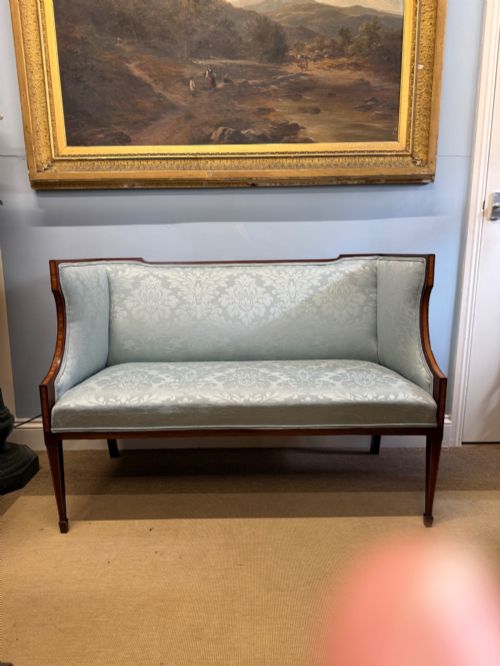
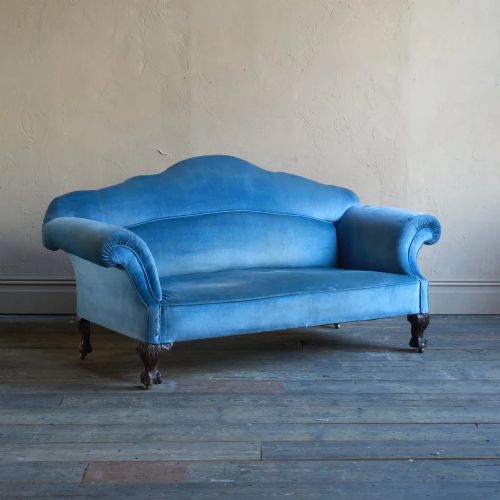
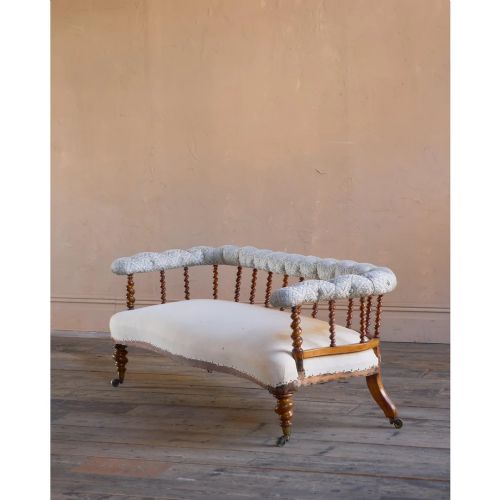
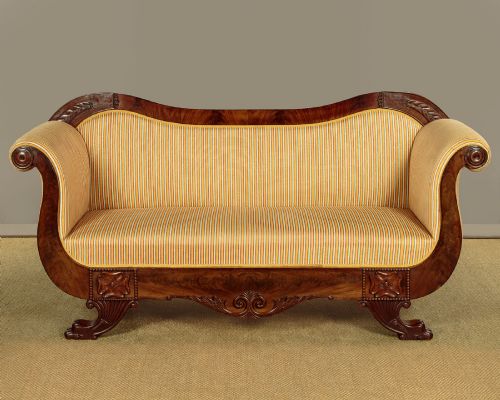
When someone searches for an edwardian mahogany couch, they encounter formal salon settees, camelback shapes, and double ended designs rooted in the Edwardian period and the broader nineteenth century. These seating pieces range from compact two seater frames to large country house settees and window seats, often reflecting Revival influences like Chippendale and Regency.
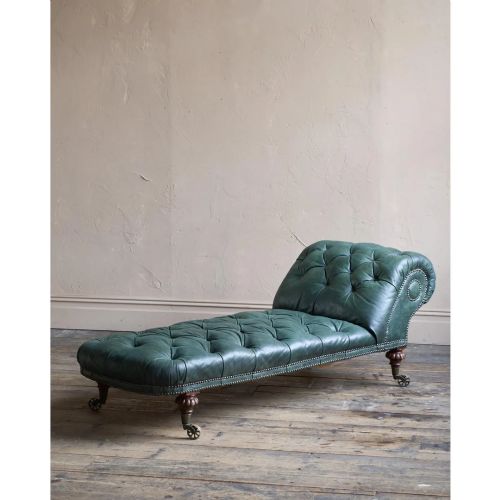
The version most commonly met on this page is the Edwardian inlaid mahogany salon settee, alongside variations involving satinwood stringing and spindle backs. Makers and workshops of the era also produced chaise longues and day beds, expanding the selection beyond standard two seater sofas.
Materials and construction
The structural framework relies upon solid mahogany, frequently ornamented with satinwood inlay, marquetry, and carved details such as ball and claw legs or spindle turnings. Workshops employed traditional joinery to support substantial wooden frames designed to hold sprung bases and feather cushions.
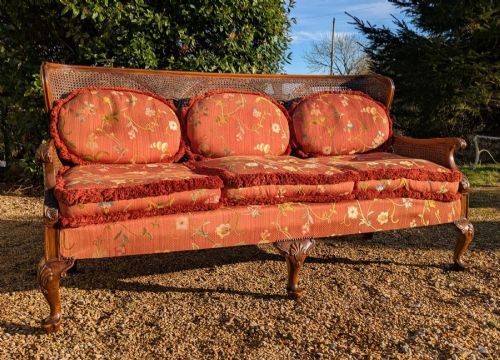
Upholstery materials span burgundy deep pile brocade, leather, damask, and velvet, while certain bergere variations incorporate cane panels. These textiles are secured to sprung settee bases or feather filled cushions, suiting both formal reception rooms and domestic parlours.
Listings feature mahogany, satinwood, leather, velvet, and damask upholstery across pieces dated from the nineteenth century through the Edwardian era.
Distinctions in construction and finish
The upper tier of these seats displays crisp timber carving, precise satinwood inlay, and substantial mahogany frames that remain structurally rigid. Lesser examples show softer lines, simpler turning, or alterations to the original woodwork over decades of use.
Upholstery and internal support also set pieces apart, distinguishing deeply sprung bases and original feather cushions from later replacements. The integrity of the timber frame and the finesse of the joinery determine the overall standard.
C. Hindley and Sons·Howard and Sons·Gillows·Maple and Co·Hampton and Sons·J. S. Kinsey
The Edwardian Mahogany Couch Glossary
- Bergere
- A closed armchair or sofa with cane panels set into the wooden frame. This technique lightens the visual weight of the mahogany structure.
- Satinwood
- A pale timber used for contrasting stringing and inlay on darker mahogany frames. It provides decorative detail across Edwardian parlour furniture.
- Camelback
- A curved upper back rail reminiscent of a camel's hump. This profile appears frequently on formal salon sofas.
- Double Ended
- A sofa design with scrolled or raised ends of equal height, allowing a person to recline from either direction. These pieces often feature sprung bases.
- Marquetry
- Inlaid wood veneers forming decorative patterns on the flat surfaces of a frame. Craftsmen used contrasting timbers to create floral or geometric motifs.
Edwardian Mahogany Couch: Frequently Asked Questions
How do I identify an Edwardian piece?
Edwardian seating typically displays lighter proportions than heavy Victorian furniture, often combining mahogany with subtle satinwood inlay. The styling draws heavily on earlier Chippendale or neoclassical revivals while maintaining a restrained early twentieth century aesthetic.
Examination of the frame construction and timber species helps confirm the date. Many pieces also carry maker stamps or paper labels hidden beneath the upholstery webbing.
What is a salon settee?
A salon settee is a smaller upholstered seat intended for drawing rooms and reception spaces rather than heavy daily lounging. These pieces prioritise refined woodwork and decorative inlay over cavernous depth.
They frequently feature open frames, spindle backs, or satinwood stringing that matches surrounding parlour tables.
Can I use these couches daily?
Most antique wooden couches handle everyday domestic use well, provided the internal frame and webbing remain stable. Period pieces with sturdy mahogany frames offer reliable support for modern living spaces.
Checking the condition of the sprung base and joints ensures the timber withstands regular seating. Many examples accommodate contemporary upholstery fabrics without losing their historic character.
What is cane work on a sofa?
Cane work involves woven rattan panels fitted into the wooden arms or back of a couch. This method lightens the visual bulk of the mahogany structure and introduces textural contrast.
Bergere suites frequently utilise this technique alongside loose feather cushions. The weave requires careful handling to prevent splitting over time.