







Edwardian Lithograph Print
These edwardian lithograph print examples capture the character of early twentieth-century illustration, offering buyers striking wall art with genuine period charm.
Edwardian Lithograph Print
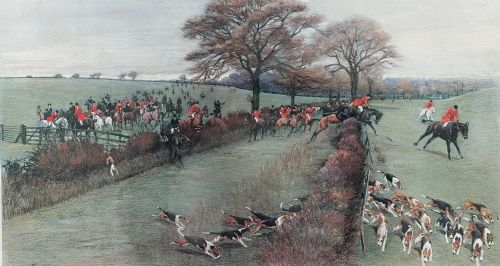
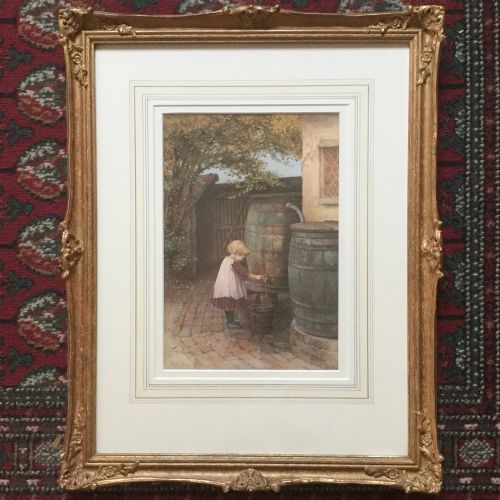
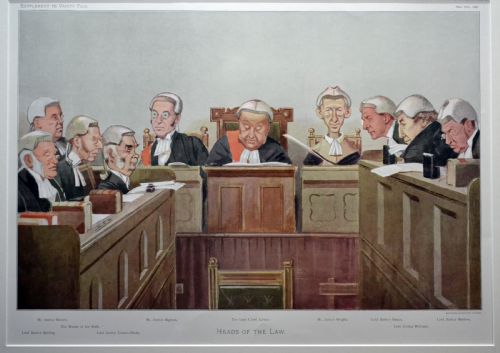
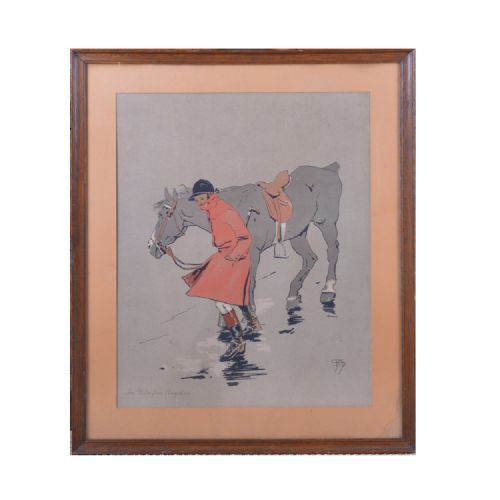
When you search for an edwardian lithograph print, you encounter framed wall art, posters, and satirical magazine plates spanning the early twentieth century and the broader Edwardian era. The selection draws heavily on Vanity Fair cartoons, sporting art by artists like Snaffles, and illustrative works by Louis Wain.
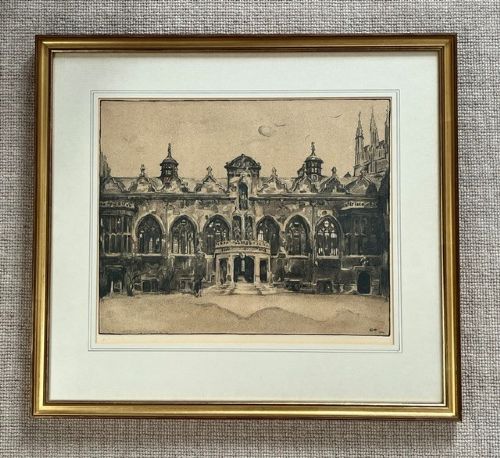
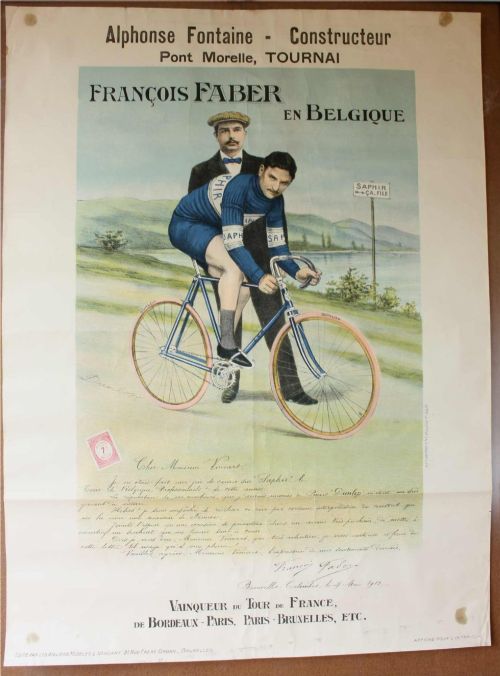
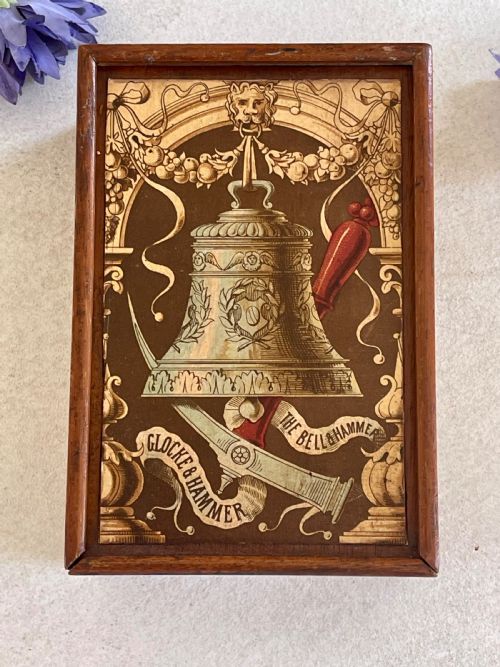
You are most likely to meet framed prints and double-page periodical spreads behind glass in wooden or giltwood frames. These pieces range from humorous animal subjects and legal caricatures to college views and cycling posters.
How they were made
These works rely on lithographic printing techniques applied to paper using coloured or black ink. Many pieces incorporate chromolithography to achieve richer palettes, occasionally supplemented by hand-colouring or gilt highlights.
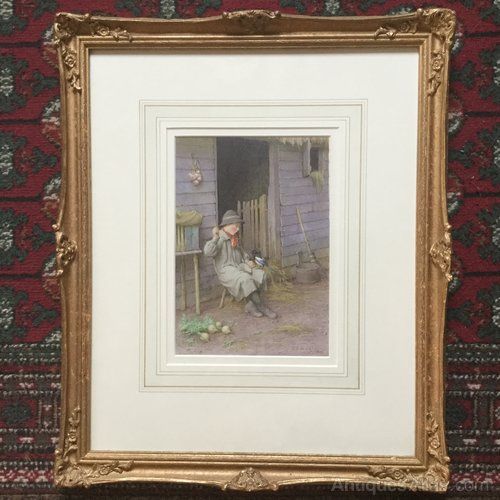
Framing materials commonly include wood, gesso, and glass to protect the delicate paper surfaces. Many surviving examples retain their period mounts and framing, preserving the original presentation.
Edwardian Lithograph Print Retail Price Guide 2026
Typical asking prices for edwardian lithograph print among the pieces listed under this phrase on Sellingantiques today, from the lower quarter to the upper quarter. They describe what is for sale here now, not the wider market.
Materials recorded in the inventory include paper, ink, glass, wood, gold leaf, metal, gesso, and giltwood.
What varies in quality
Quality rests upon the clarity of the lithographic impression, the vibrancy of the ink, and the condition of the paper. Stronger prints show crisp lines and minimal fading across the image area.
The sophistication of the framing also influences the piece, with period wooden frames, gold leaf accents, and original glass elevating the overall presentation above standard modern replacements.
Sir William Nicholson·Charles Edward Wilson·Louis Wain·Frank Algernon Stewart
The Edwardian Lithograph Print Glossary
- Lithograph
- A print produced by a printing method based on the repellent properties of oil and water. The image is drawn onto a flat stone or metal plate and transferred to paper.
- Chromolithograph
- A colour lithograph produced using multiple stones or plates, one for each colour. This technique creates vibrant, multi-coloured pictorial prints.
- Vanity Fair print
- A satirical portrait or caricature published in the British weekly magazine Vanity Fair between eighteen sixty-nine and nineteen fourteen. These plates were often signed by pseudonyms such as Spy.
- Giltwood
- Wood that has been treated with gold leaf or gold paint, commonly used in decorative picture framing. It provides a bright, reflective border to the artwork.
Edwardian Lithograph Print: Frequently Asked Questions
How do I identify a true period print?
Examine the paper stock for appropriate ageing, texture, and plate marks where applicable. Period printing techniques often display subtle dot patterns or ink layering distinct from modern digital reproductions.
Check the reverse of the framing and the condition of any accompanying text or captions. Genuine items from this era frequently show historical framing methods and publisher details along the margins.
How were these prints originally displayed?
Many of these works originated as magazine illustrations, periodical supplements, or independent posters meant for framing and domestic display. They typically hung in parlours, studies, and offices during the early twentieth century.
Framed versions often utilised simple wooden mouldings or decorative gilt frames appropriate to Edwardian interior decoration styles.
Can I hang these prints in direct sunlight?
Paper and ink from this era remain sensitive to ultraviolet light, which can cause colours to fade over time. Direct sunlight degrades both the pigments and the supporting paper stock.
Positioning pieces away from bright windows and using conservation-grade glass helps protect the integrity of the artwork.
What styles appear in these collections?
The selection encompasses Edwardian illustration, Victorian genre art, British sporting art, Arts and Crafts design, and Pre-Raphaelite romanticism. Satirical portraiture and animal subjects also feature prominently among the published works.
These diverse styles reflect the varied illustrative output of magazines and independent print publishers active around nineteen hundred.