



Edwardian Leather Mirror
An edwardian leather mirror brings the tactile warmth of hide and polished timber into a room, offering both practical reflection and period charm.
Edwardian Leather Mirror
When you search for an edwardian leather mirror, you enter a field defined largely by writing furniture and wall mirrors from the turn of the twentieth century and adjacent decades. The items on this page span the Victorian and Edwardian periods, stretching from the late nineteenth century into the nineteen thirties.
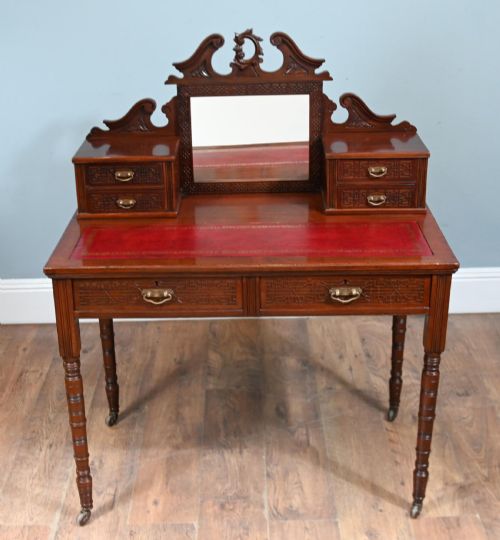
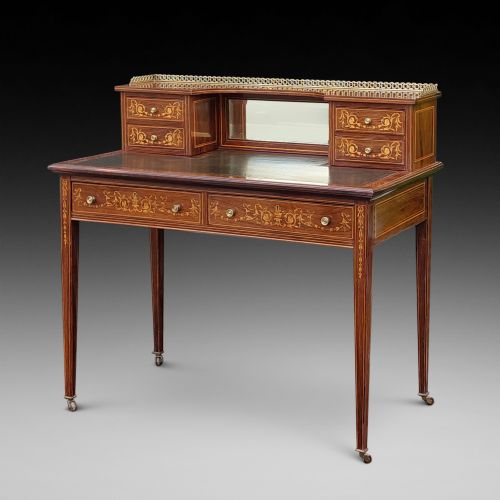
The forms you are most likely to encounter include writing desks, ladies tables, bonheur du jour desks, and wall mirrors. These pieces often combine fitted leather writing surfaces or framed borders with timbers like mahogany, satinwood, and rosewood.
Materials and Construction
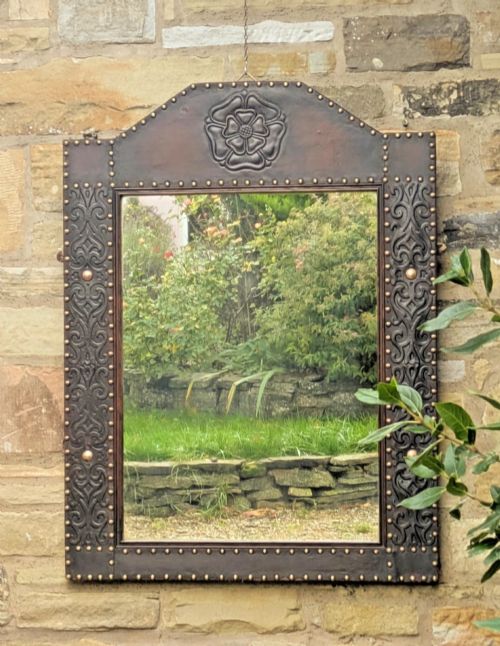
Makers utilised solid and veneered timbers such as mahogany and rosewood, frequently incorporating inlaid stringing and brass details to decorate the surfaces. Leather was carefully cut and fitted to desk panels or mirror surrounds, often featuring decorative blind tooling or studded edges.
Construction methods relied on traditional cabinetmaking techniques, joining structural elements securely while allowing for decorative elements like arts and crafts studwork or aesthetic movement inlays.
Edwardian Leather Mirror Retail Price Guide 2026
Typical asking prices for edwardian leather mirror among the pieces listed under this phrase on Sellingantiques today, from the lower quarter to the upper quarter. They describe what is for sale here now, not the wider market.
A handsome studded desk surface proves that correspondence once required serious metalwork and very sturdy hide.
Markers of Distinction
Quality in these pieces rests on the crispness of the inlaid decoration and the selection of timber figures. Finer examples display well-matched grain patterns and precise brass stud placement rather than plain or hurried assembly.
The handling of the leather itself sets apart better workshops, where the hide retains its suppleness and clean tooling. Lesser pieces show heavier wear to the leather surface or simpler framing without the refined proportions found in designated maker pieces.
Edwards and Roberts·Maple and Co·Jas Shoolbred
The Edwardian Leather Mirror Glossary
- Bonheur du jour
- A light lady's writing desk featuring a small cabinet or set of drawers superstructure above the main writing surface. This form gained popularity during the nineteenth and early twentieth centuries.
- Aesthetic movement
- A late nineteenth century design style emphasising visual beauty and artistic expression over strict historical revivalism. It often featured clean lines and refined inlay work.
- Arts and crafts
- A design movement valuing hand craftsmanship, simple forms, and visible structural honesty. Studded metalwork is a common characteristic.
- Stringing
- Thin lines of contrasting timber inlaid into the surface of a piece for decorative border effects. It frames panels on many Edwardian and Victorian desks.
Edwardian Leather Mirror: Frequently Asked Questions
What is a bonheur du jour?
A bonheur du jour is a small, elegant writing desk equipped with a raised tier of compartments or drawers on the top surface. These desks were traditionally used by ladies for correspondence.
They combine compact proportions with decorative timber veneers and sometimes leather writing inserts, making them suitable for smaller reception rooms.
How do I date an edwardian mirror?
Dating relies on examining the timber types, inlay styles, and hardware construction methods present on the piece. Edwardian items often feature lighter woods and refined stringing compared to heavier Victorian predecessors.
Makers marks and labels, where present, provide the most direct confirmation of a piece's manufacturing period.
Where should I place a writing desk?
Writing desks function well against a study wall or positioned to catch natural light near a window. Their finished backs and compact footprints allow many models to sit comfortably within living spaces.
Ensure the leather writing surface is kept away from direct sunlight to prevent drying out and fading.
What timber is most common?
Mahogany appears most frequently across these listings, often accompanied by rosewood, satinwood, and general mixed hardwoods. These timbers were chosen for their stability and grain beauty.
Inlays and borders make use of contrasting lighter woods to create geometric or floral patterns.