


Edwardian Lacquer Lighting
Edwardian lacquer lighting brings decorative chinoiserie and japanned finishes to floor lamps, standard lamps, and table lamps for distinctive interiors.
Edwardian Lacquer Lighting
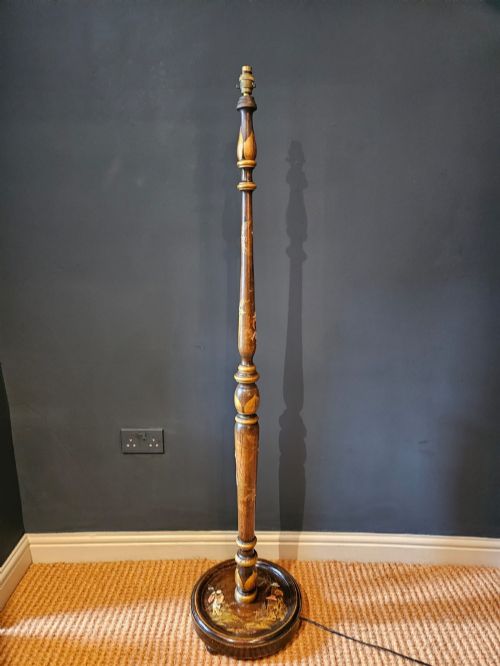
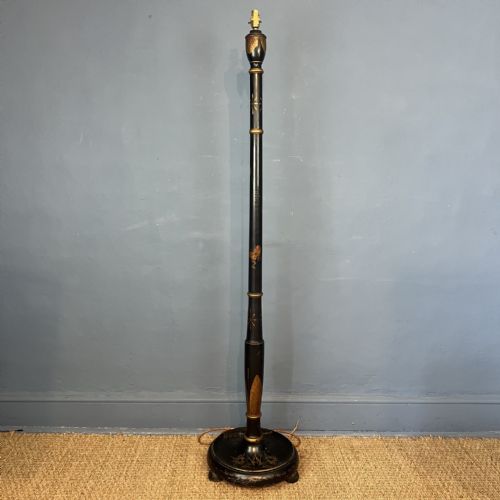
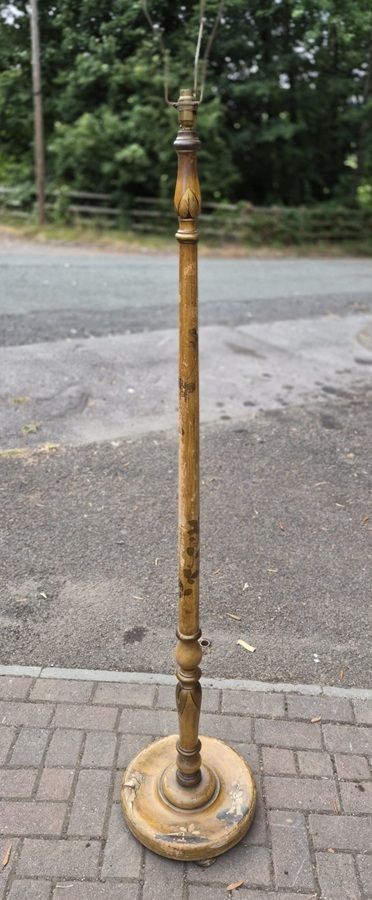
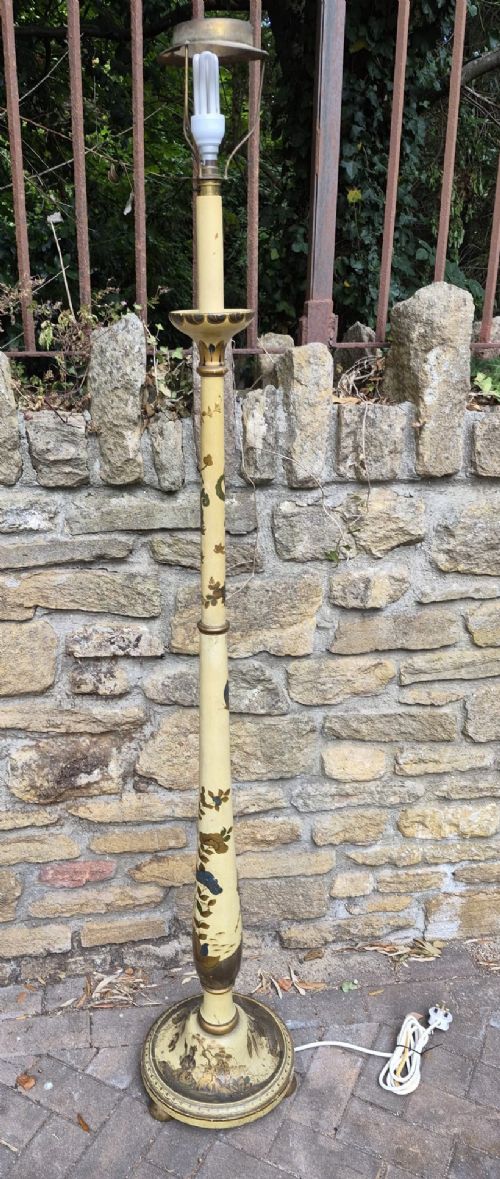
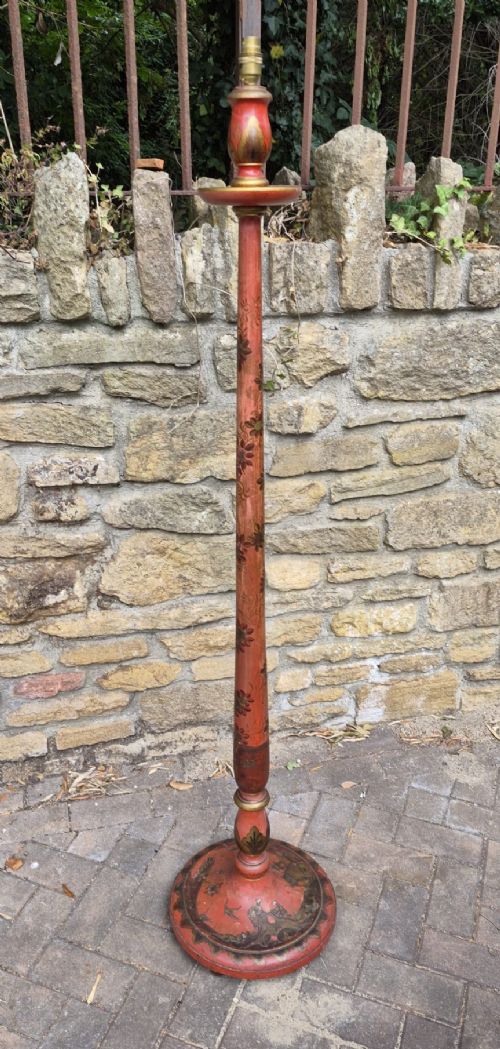
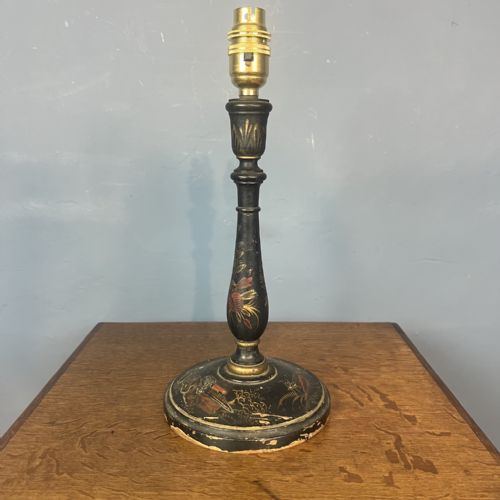
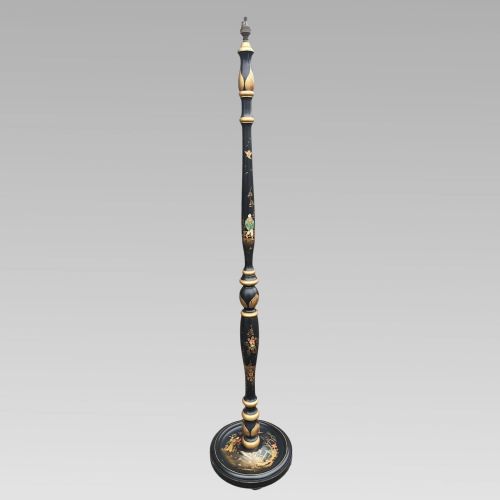
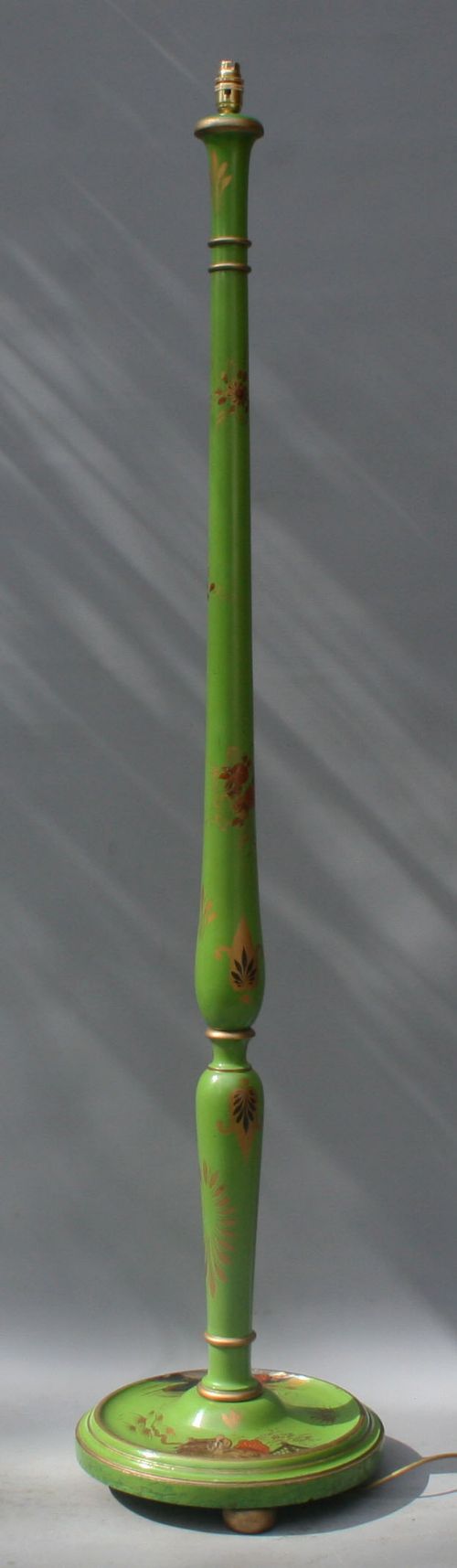
Edwardian lacquer lighting encompasses tall standard lamps and smaller table lamps finished with decorative oriental motifs. These pieces draw heavily on chinoiserie styles, presenting striking silhouettes designed to catch the eye in a room.
Most examples found here date from the Edwardian era or the early decades of the twentieth century, with occasional pieces stretching back to earlier Victorian influences. Floor-standing standard lamps dominate the selection, accompanied by functional table lamps and wall lights.
Makers and designers applied orientalist decoration to wood bases, creating tactile surfaces that complement traditional fabric shades. The results range from simple painted columns to deep crimson and black lacquered bodies.
Materials and construction
Makers typically used solid wood as the primary foundation for these lamps, shaping timber into slender columns and sturdy bases before applying layers of lacquer and paint. Brass components frequently appear in the hardware, providing structural support and functional fittings.
The decorative surfaces rely on specialist paintwork and lacquer techniques, often featuring gilt detailing over black, crimson, or scarlet backgrounds. Fabric shades complete the construction, diffusing the light cast by the fitted bulbs.
Listings span several decades, featuring materials such as brass, wood, fabric, and gilt alongside traditional painted lacquer finishes.
Variations in quality
The standard of workmanship rests upon the depth of the lacquer finish and the intricacy of the painted chinoiserie decoration. Finer pieces display crisp, hand-painted oriental scenes with layered detailing, whereas simpler items rely on more basic surface patterns.
Proportion and material choice also define the tier of a lamp, with substantial turned wooden standards and heavy brass fittings sitting above lighter, less robust constructions. The preservation of the original painted surface significantly influences the overall character of each piece.
The Edwardian Lacquer Lighting Glossary
- Chinoiserie
- A decorative style reflecting European artistic interpretations of Chinese and East Asian motifs. It appears widely across these lacquered lamp bases through scenic landscapes and figures.
- Standard lamp
- A tall floor-standing lamp designed to illuminate a room from a corner or beside furniture. These form the majority of the lighting options listed here.
- Japanned
- A European imitation of Japanese lacquerwork involving layered varnishes and decorative painting. This finish gives the wall lanterns and lamp bodies their glossy, hardened surface.
- Gilt
- A thin layer of gold leaf or gilt paint applied to highlight decorative details on the wood. It provides a sharp contrast against the dark black or crimson lacquer backgrounds.
Edwardian Lacquer Lighting: Frequently Asked Questions
What is edwardian lacquer lighting?
Edwardian lacquer lighting consists of wooden floor lamps, table lamps, and wall lights decorated with orientalist painted finishes. These pieces use chinoiserie styles to bring colourful patterns and deep lacquered surfaces into living spaces.
They serve as functional light sources while acting as substantial decorative items within a room. Most examples utilise dark or crimson backgrounds adorned with traditional motifs.
How were these lamps used originally?
These lamps stood in reception rooms, drawing rooms, and studies to provide ambient illumination in homes. Standard lamps offered movable floor-level lighting before fitted overhead electric systems became universal.
Table lamps sat on sideboards and desks, while wall lights added layered illumination to hallways and parlours. They combined practical electric or gas lighting capability with high decorative appeal.
How do I style these lamps at home?
These lamps work well as statement pieces in traditional or eclectic interiors where the painted wood and lacquer finish can stand out. Pairing them with compatible fabric shades helps balance the visual weight of the decorated standard.
They fit comfortably beside antique furniture or serve as a contrasting focal point in more modern spaces. Position them where the painted details catch natural or artificial light.
How do I identify the period of a lamp?
Dating relies on examining the turned woodwork, the composition of the lacquer, and the style of the painted chinoiserie motifs. Pieces from the early twentieth century often display specific proportions and manufacturing marks associated with standard lamp production.
Earlier nineteenth-century examples, such as Victorian or Regency style pieces, typically exhibit heavier proportions or different interpretations of japanned decoration.