




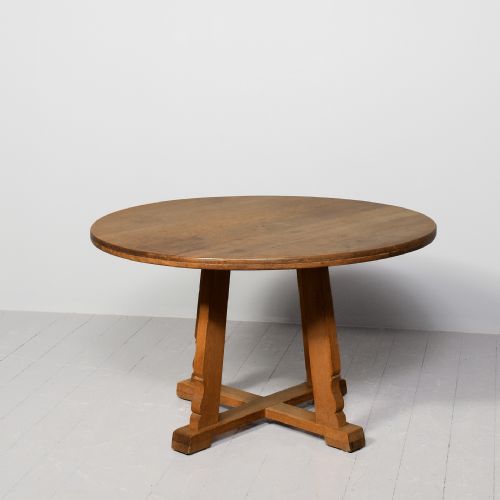


Edwardian Kitchen Furniture
Edwardian kitchen furniture brings honest utility and robust craftsmanship into the home through practical tables, dressers, and seating.
Edwardian Kitchen Furniture
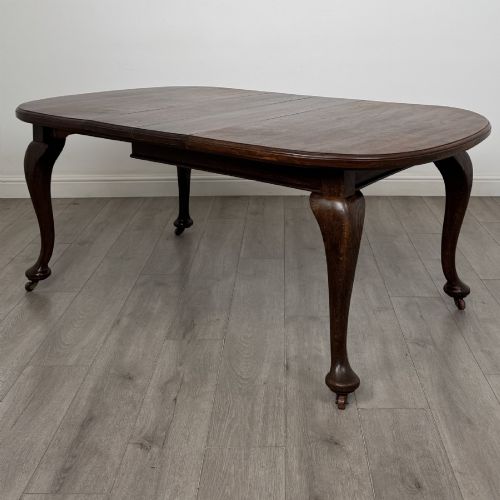
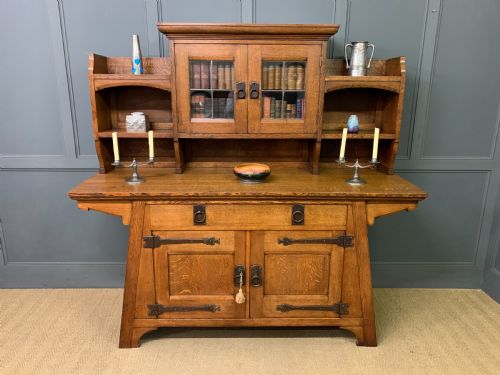
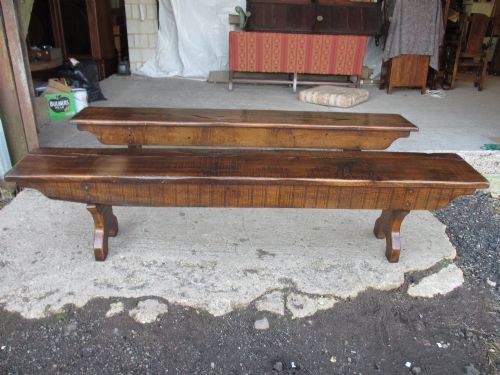
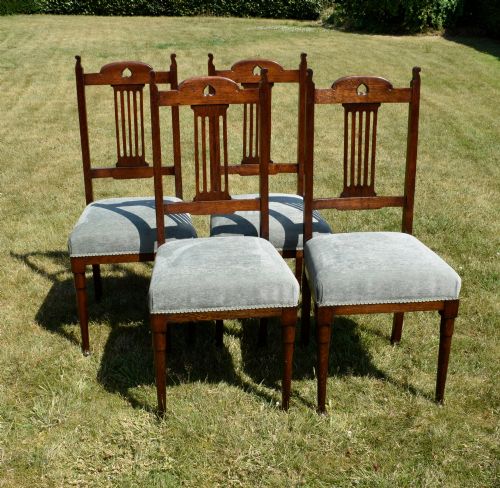
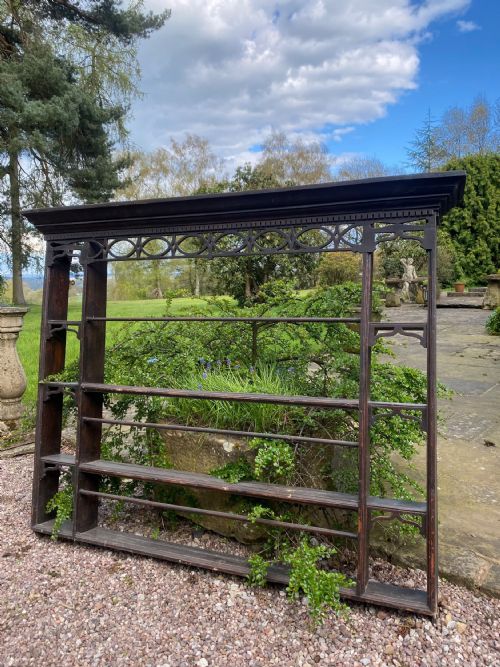
Beyond standard Edwardian dates, pieces span from the late nineteenth century through to the nineteen-twenties, incorporating English country and Arts and Crafts aesthetics. Practical dining chairs and plate racks complete the domestic landscape, offering robust utility alongside simple domestic charm.
Materials and construction
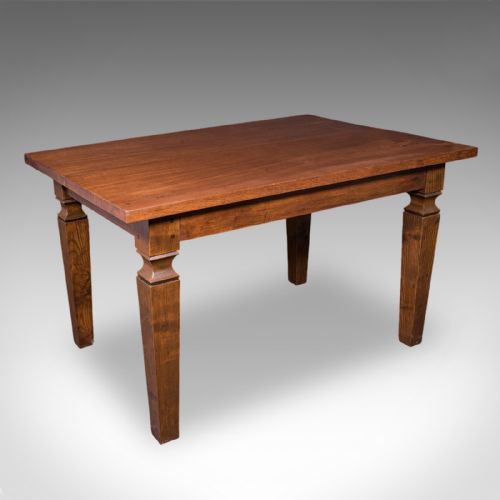
Solid timber forms the foundation of these items, with oak predominating alongside pine, elm, walnut, and ash. Joinery relies on traditional methods to ensure durability under heavy daily use.
Hardware and metal components utilise brass and iron for hinges, pulls, and structural reinforcement. Painted surfaces and faux finishes also appear, adding decorative utility to utilitarian forms.
Edwardian Kitchen Furniture Retail Price Guide 2026
Typical asking prices for edwardian kitchen furniture among the pieces listed under this phrase on Sellingantiques today, from the lower quarter to the upper quarter. They describe what is for sale here now, not the wider market.
Listings feature solid oak, pine, and elm across periods ranging from the eighteenth century to the nineteen-twenties.
Assessing quality and character
The choice of timber and the execution of the quarter-sawn grain define the upper tier of tables and dressers. Selection of dense, figured oak elevates the visual weight of utilitarian forms.
Design attribution to known retail houses or architects separates standard workshop output from exceptional commissions. Integrated details like shaped trestle ends and refined proportions distinguish superior examples.
Heals of London·Sir Robert Stoddart Lorimer·Sir Robert Lorimer·Watsons Matchless Soap
The Edwardian Kitchen Furniture Glossary
- Refectory table
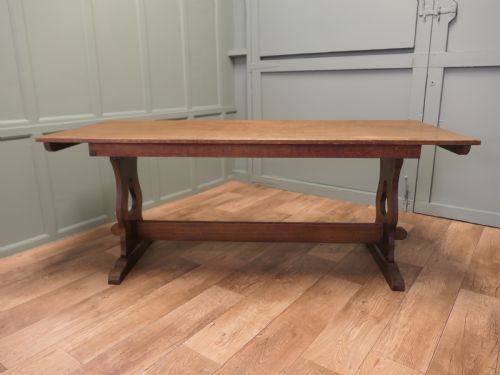
- A long dining table traditionally used for communal meals. These pieces often feature sturdy trestle or four-leg constructions in solid oak.
- Dresser and rack
- A combined storage and display unit featuring lower cupboards or drawers beneath open upper shelving. They provide practical storage for kitchenware.
- Quartered oak
- Timber cut radially from the growth rings to produce a distinctive decorative grain pattern. This method yields stable and visually striking boards.
- Trestle ends
- Support structures comprising upright posts connected to a horizontal base foot. They offer robust stability for heavy dining tables and benches.
- Faux oak
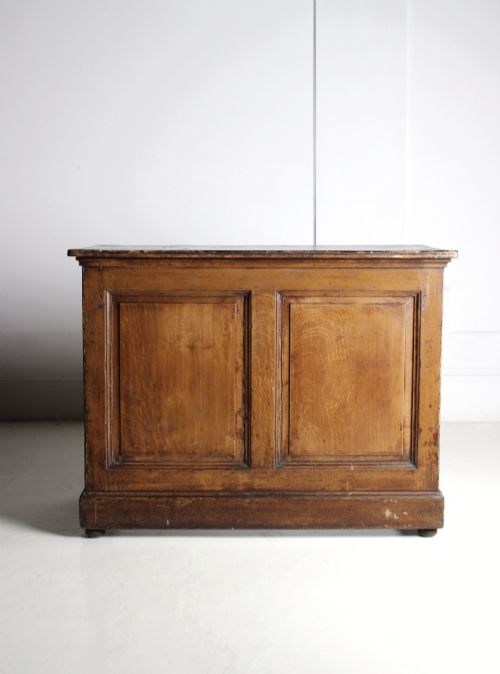
- A painted or grained surface finish designed to imitate the appearance of solid oak. This technique was frequently applied to pine shop counters and utility furniture.
Edwardian Kitchen Furniture: Frequently Asked Questions
What defines Edwardian kitchen furniture?
These pieces comprise robust wooden tables, dressers, plate racks, and seating designed for durability and utility. They bridge practical domestic service and the simpler tenets of Arts and Crafts design.
Materials lean heavily towards solid oak, pine, and elm, often displaying honest construction methods without excessive ornamentation. Their straightforward forms suit modern dining spaces as effectively as period interiors.
How do I identify an Arts and Crafts influence?
Arts and Crafts pieces emphasise visible construction, unadorned surfaces, and the natural grain of golden quartered oak. Tables and dressers from this movement prioritize structural honesty over applied decoration.
Look for pegged joints, heavy trestle bases, and functional hardware in brass or iron. This aesthetic values the visible touch of the maker in every surface.
Were these items used only in kitchens?
While many pieces served in working kitchens, sculleries, and country houses, others fulfilled commercial roles. Shop counters and advertising chairs operated in retail environments before entering domestic circulation.
Large refectory tables and dressers transition easily between kitchen prep areas and formal dining rooms. Their sturdy build suits multi-use family spaces.
How do I care for solid oak furniture?
Solid oak surfaces benefit from regular dusting with a dry cloth and occasional application of natural wax to nourish the timber. Avoiding direct heat sources prevents the wood from drying out or splitting.
Careful placement away from strong sunlight preserves the rich colour of quartered and honey oak finishes. Simple preventative maintenance protects the original joins and hardware.