






Edwardian House Cabinet
These edwardian house cabinet pieces bring practical country house storage into domestic rooms with sturdy timbers and traditional utility.
Edwardian House Cabinet
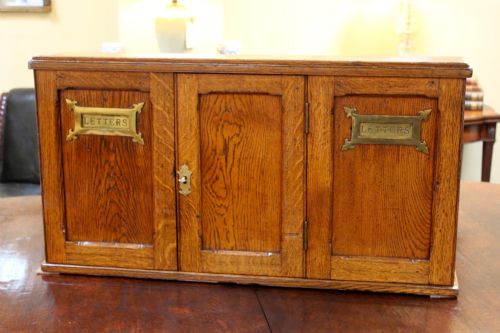
An edwardian house cabinet encompasses utility pieces originating from large estates and country houses, spanning periods from the Victorian era up to the 1920s. When exploring this selection, buyers encounter diverse utility forms including letter boxes, postboxes, side cabinets, safe cabinets, storage cabinets, and cupboards designed for utilitarian or domestic administration.
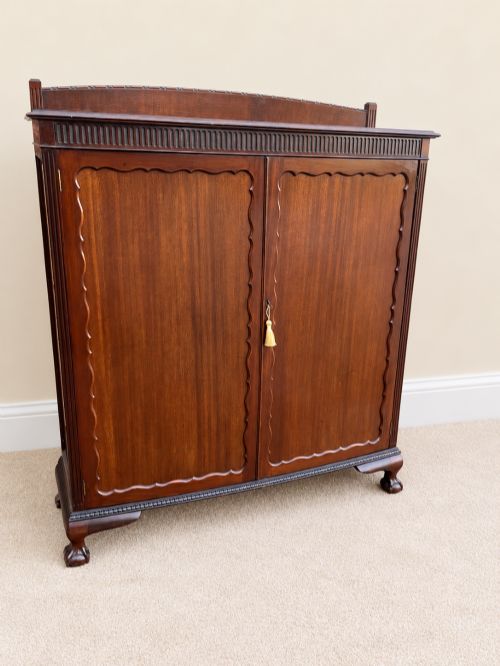
The objects frequently reflect English country house styles, alongside Chinoiserie decoration and Regency influences, demonstrating how functional estate furniture often incorporated decorative flourishes. Oak, mahogany, and walnut provide the primary structural carcasses, complemented by painted wood surfaces and brass hardware.
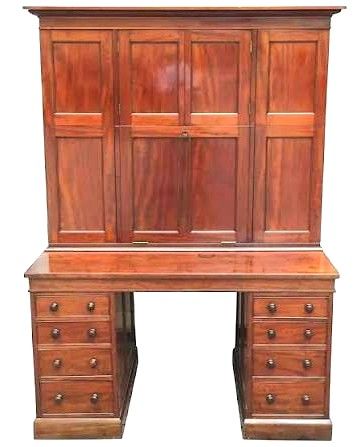
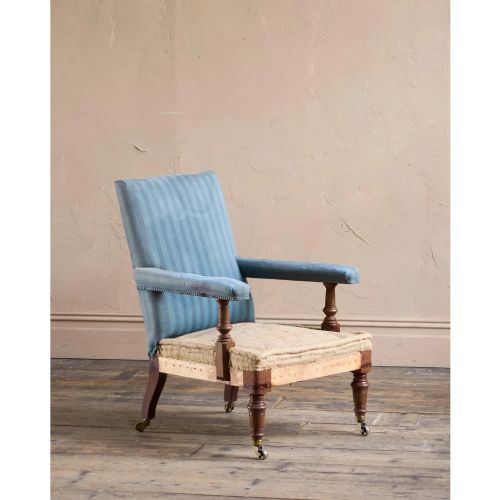
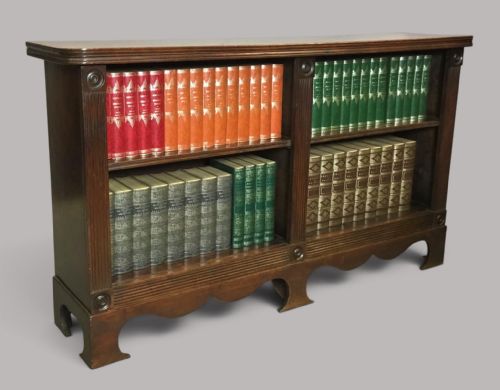
While the search specifies an edwardian house cabinet, the inventory also stretches across the nineteenth century and into the early twentieth century to capture related estate furniture like bookcases, armchairs, saddle racks, and dressers. These items share a common heritage of robust construction intended for busy administrative rooms, libraries, and hallways.
Materials and construction
Cabinet makers relied heavily on hardwoods such as oak, mahogany, and walnut to build durable storage furniture that could withstand daily estate use. These timbers were selected for their stability and grain, often finished with polished surfaces or black paint.
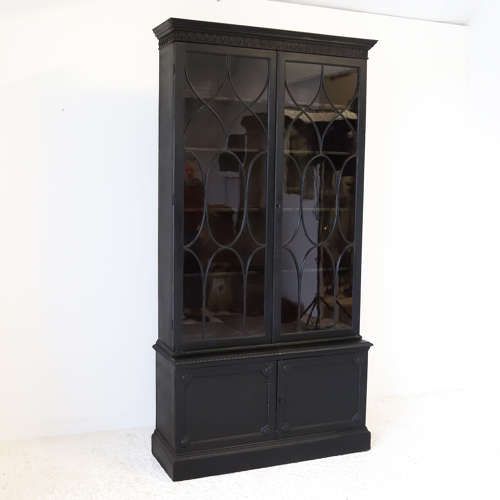
Functional metal fittings including brass handles, hinges, and iron elements were integrated to secure doors and drawers on letter boxes, postboxes, and safe cabinets. Glass panels and hessian backing occasionally appear in bookcases and cabinets, while specialised items feature carved details or painted Chinoiserie decoration.
Edwardian House Cabinet Retail Price Guide 2026
Typical asking prices for edwardian house cabinet among the pieces listed under this phrase on Sellingantiques today, from the lower quarter to the upper quarter. They describe what is for sale here now, not the wider market.
Listings feature oak, mahogany, walnut, and painted wood, alongside brass and iron hardware across various estate storage forms.
Judgements of quality
Quality in an edwardian house cabinet rests on the selection of cabinet timbers and the integrity of the joinery rather than ornate decoration alone. Pieces utilising solid oak, mahogany, or walnut display tighter grain matching and structural longevity compared to simpler utilitarian variants.
The refinement of the hardware, the precision of carved elements, and the execution of painted Chinoiserie finishes separate standard utility furniture from finer country house commissions. Finer items balance robust estate utility with considered proportions and decorative detailing.
Morison and Co
The Edwardian House Cabinet Glossary
- Edwardian
- Pertaining to the reign of King Edward VII, spanning from 1901 to 1910, characterised by lighter furniture forms and revived historic styles. This era often blended traditional craftsmanship with domestic convenience.
- Country House
- A descriptor for furniture originating from or styled for large rural estates, prioritising practical utility and durable materials. Such pieces were built to serve functional roles in busy domestic settings.
- Chinoiserie
- A European decorative style interpreting Chinese artistic motifs, featuring painted scenes and lacquer work. This technique appeared on furniture to introduce exotic visual interest into traditional rooms.
- Safe Cabinet
- A secure storage unit designed to protect valuable documents or estate records within a reinforced wooden or metal housing. These utilitarian forms combined heavy-duty security with domestic cabinetry.
Edwardian House Cabinet: Frequently Asked Questions
What defines an edwardian house cabinet?
An edwardian house cabinet is a piece of storage furniture originating from large English estates during the early twentieth century or the late Victorian era. These items were built for practical administration, housing letters, books, and household goods.
They reflect the utilitarian needs of traditional country houses while incorporating regional timber traditions like oak, mahogany, and walnut.
How were these cabinets used originally?
These cabinets served functional administrative and storage roles in estate offices, libraries, hallways, and living rooms. Letter boxes and postboxes managed household correspondence, while side cabinets and cupboards stored household supplies.
Their robust construction ensured they could endure the daily demands of a busy domestic staff and estate management.
Where should I place one at home?
These storage pieces fit naturally into hallways, studies, and living spaces where traditional character and practical shelving are desired. Their diverse forms allow them to function as bookcases, side storage, or statement storage units.
Pairing them with period or country house interiors highlights their historical utility and timber finishes.
How do I distinguish different periods?
Distinguishing periods relies on observing timber choices, decorative styles, and construction techniques recorded across the nineteenth and early twentieth centuries. Victorian pieces tend to feature heavy mahogany and walnut with formal lines, whereas Edwardian and 1910 examples often incorporate lighter oak or painted finishes.
Reference to specific design movements like Regency or Chinoiserie further helps date the decorative influences applied to the cabinet carcass.