

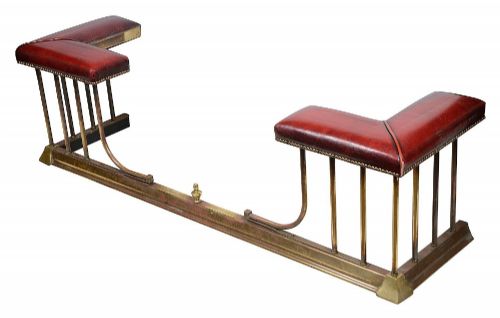


Edwardian Hearth Seat
An edwardian hearth seat brings low upholstered comfort directly to the fireside, offering sturdy framework and generous proportions for daily use.
Edwardian Hearth Seat
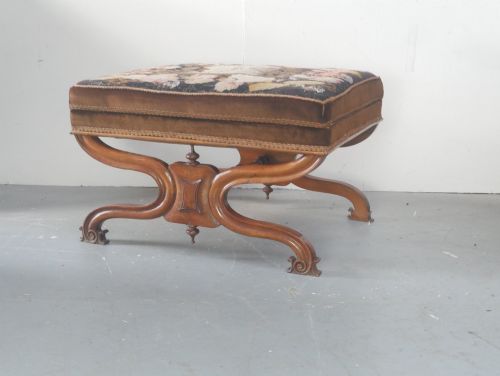
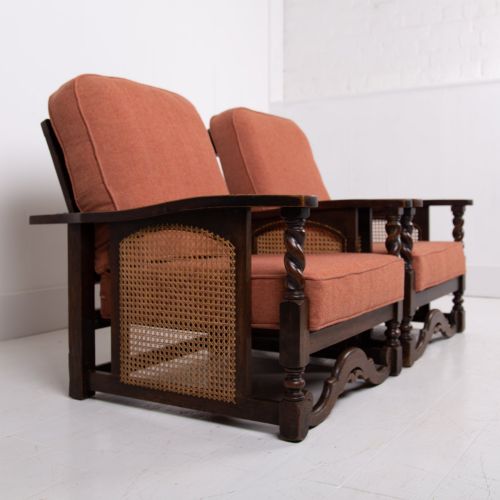
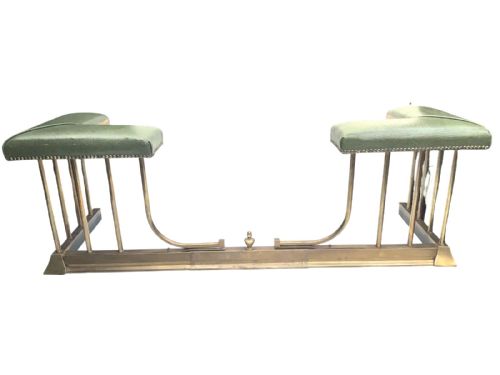
The edwardian hearth seat takes several distinct forms in the listings, spanning low stools, armchairs, and notably brass or steel club fenders fitted with cushioned tops. These pieces originate from the Edwardian period alongside Victorian and early twentieth-century eras, reflecting domestic seating designed specifically for the fireplace.
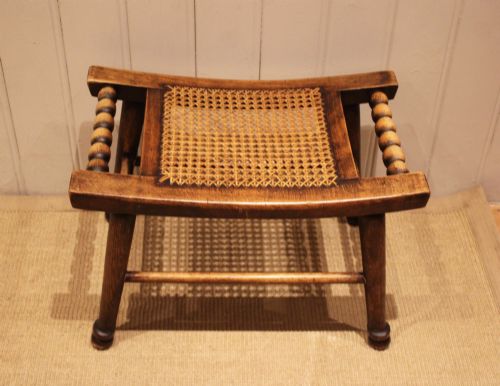
Buyers will encounter robust oak frames, turned beech structures, and metal club fenders featuring leather chesterfield seats. Forms range from simple elm footstools to large Scottish Baronial stools and adjustable club fenders equipped with extenders.
How They Were Made
Construction relies on solid hardwoods such as oak, elm, beech, and rosewood, paired with structural metalwork in brass, steel, and copper. Joinery and turning shape the wooden frames of stools and armchairs.
Upholstery techniques involve leather, velvet, fabric, and cane seats mounted over sturdy internal padding. Metal club fenders combine heavy brass or steel tubing with buttoned leather squabs.
Periods represented span from the mid-nineteenth century through the Edwardian era and into the nineteen-thirties.
What Varies in Quality
Quality rests in the substantial weight of the metal framing and the selection of timber used for the base. Heavier brass and steel gauges combined with dense hardwood denote superior construction.
The standard of upholstery and leatherwork dictates the finish, alongside the presence of functional mechanisms such as adjustable frames and extenders.
The Edwardian Hearth Seat Glossary
- Club fender
- A low metal frame with upholstered seats running either side of the fireplace opening. This design allowed Victorians and Edwardians to sit close to the fire without blocking the heat.
- Chesterfield seat
- An upholstered bench top featuring deep buttoning in leather or fabric. This style provides firm cushioning across club fenders and footstools.
- Scottish Baronial
- A heavy architectural and furniture style drawing on medieval Scottish castles. Pieces in this manner often employ massive timber proportions and robust framing.
- Arts and Crafts
- A design movement prioritising visible construction and hand-carved detailing. Furniture from this tradition displays straightforward honesty in materials.
- Caning
- Woven rattan material used to form light, flexible seat panels. Turned beech frames frequently incorporate this technique for subsidiary seating.
Edwardian Hearth Seat: Frequently Asked Questions
What is an edwardian hearth seat?
An edwardian hearth seat is a low fireside bench, stool, or club fender designed to sit directly in front of the fireplace.
These pieces provide low-level seating upholstered in leather or fabric, often combining metal frames with cushioned tops.
How do you use a club fender?
A club fender is positioned around the hearth opening to create a raised perimeter boundary. The padded top rails serve as direct fireside seating.
Certain models include adjustable extenders to fit varying fireplace widths.
What materials are used for hearth seats?
Common materials include polished brass, steel, and copper for the fender frames. Wood structures utilise oak, elm, beech, and rosewood.
Upholstery consists of leather, velvet, fabric, and woven cane.
How do I date a hearth seat?
Dating relies on stylistic markers such as Victorian cast brass, Edwardian polished metal, or Arts and Crafts carved detailing. Construction methods and timber choices also indicate the period.
Earlier examples often display heavy steel and brass proportions, while later twentieth-century pieces introduce streamlined adjustments.