
Edwardian Gold Heart Jewellery
Edwardian gold heart jewellery captures sentiment through delicate craftsmanship, spanning bracelets, lockets, and pendants shaped around romantic motifs.
Edwardian Gold Heart Jewellery
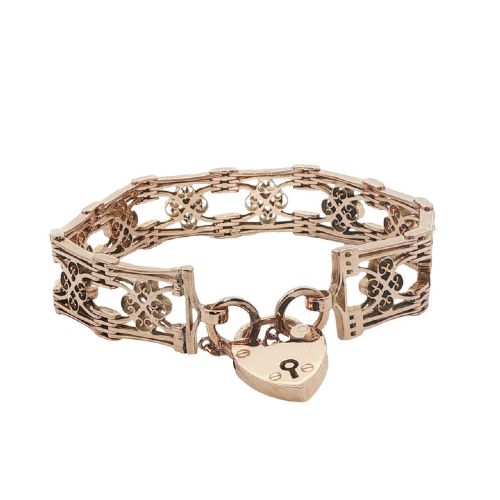
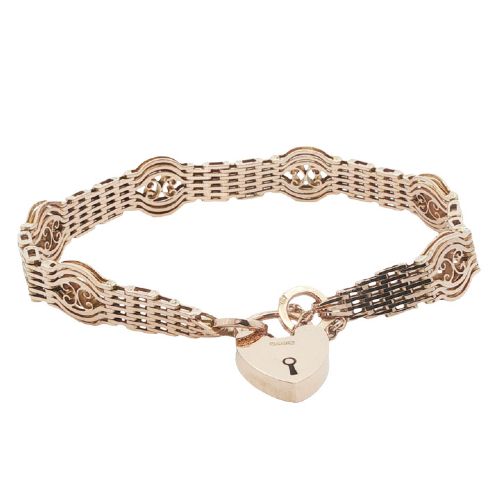
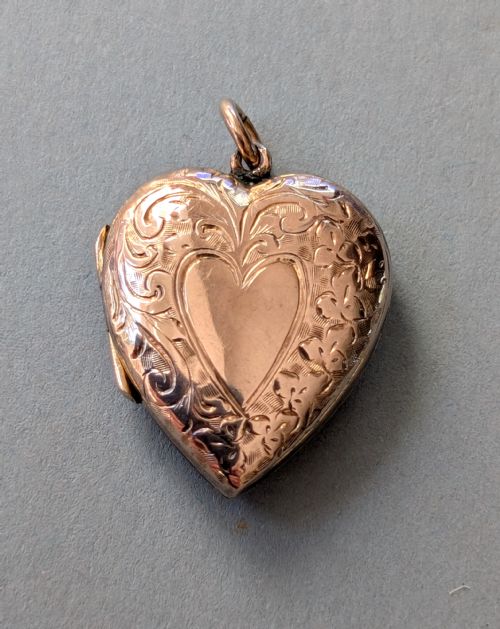
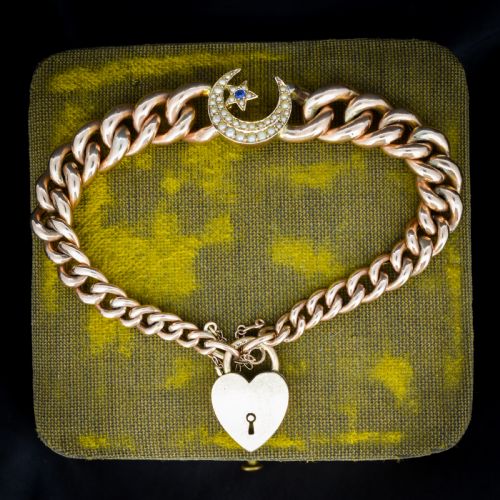
Edwardian gold heart jewellery encompasses a romantic range of wearable forms designed to express sentiment and affection. Buyers browsing this selection encounter bracelets secured with heart padlocks, alongside detailed lockets, rings, brooches, and pendants.
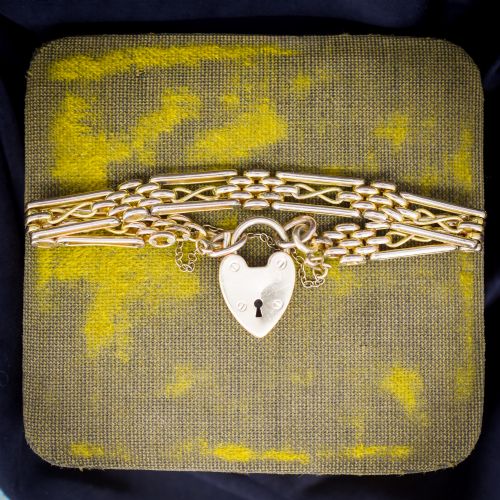
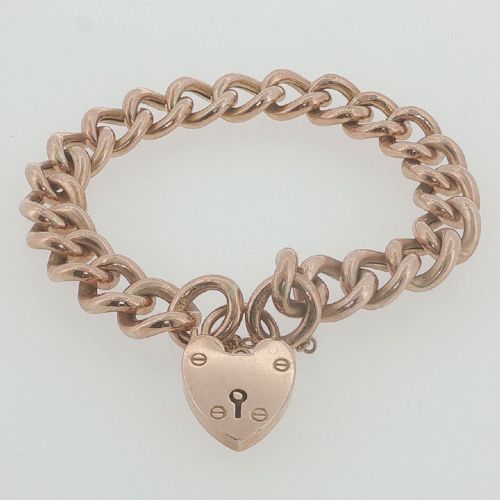
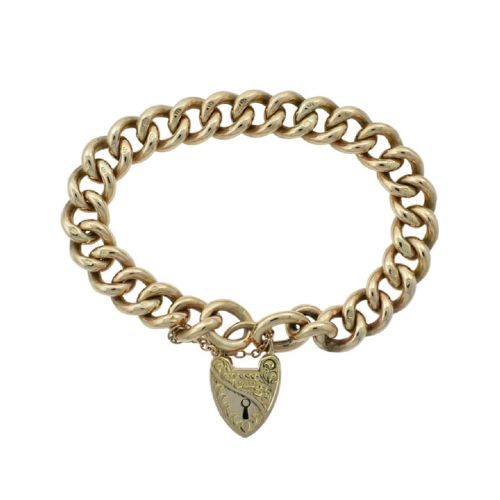
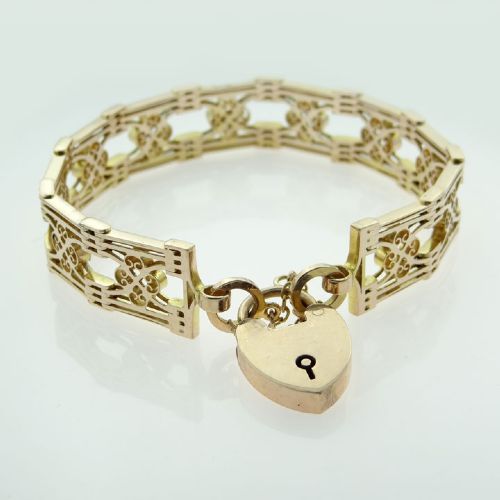
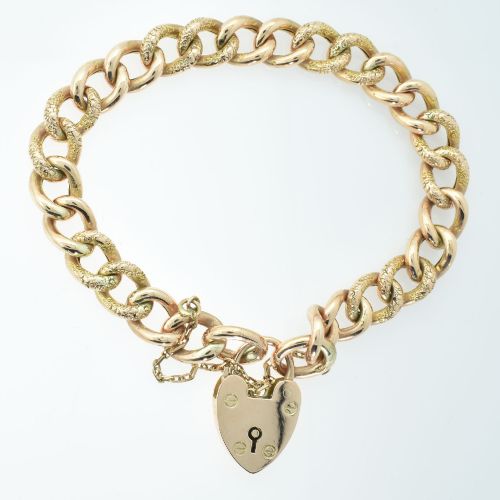
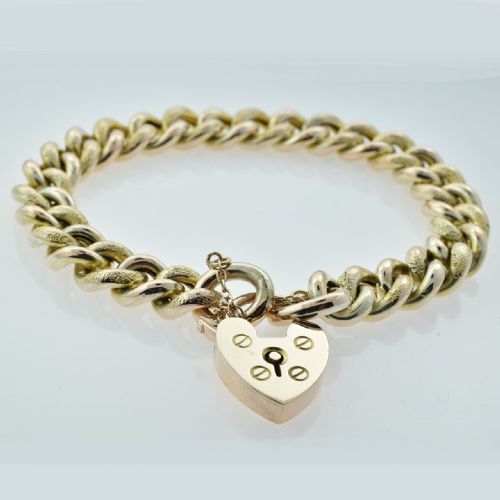
The pieces appearing most frequently originate from the early twentieth century, blending Edwardian design sensibilities with Victorian influences. Common configurations include curb link bracelets, gate bracelets, and charm pendants featuring distinct heart motifs.
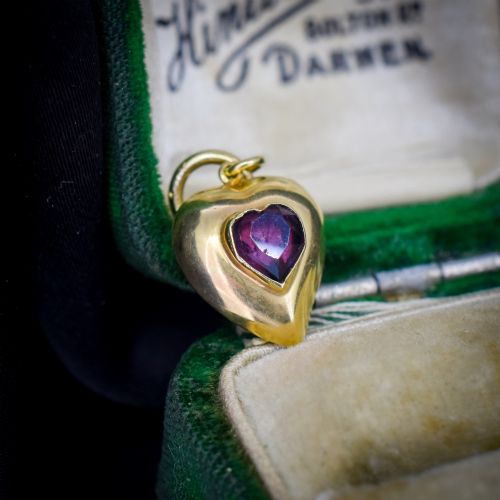
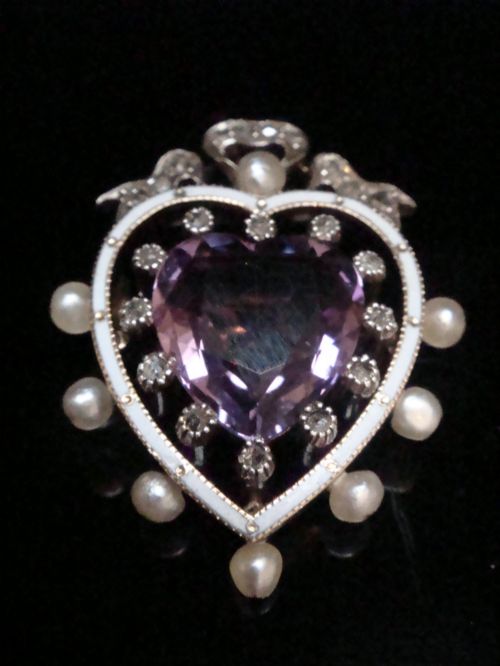
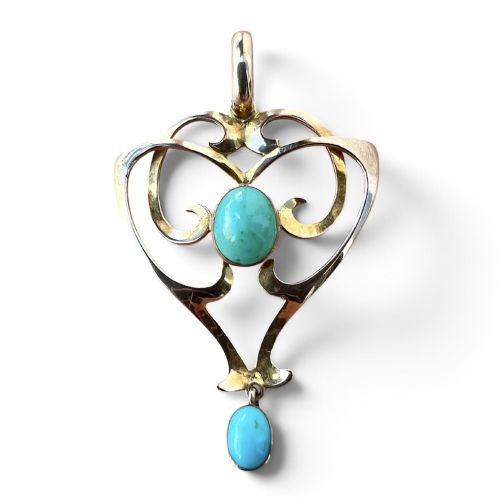
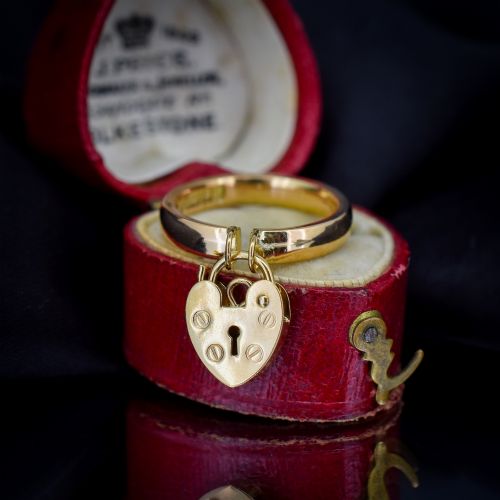
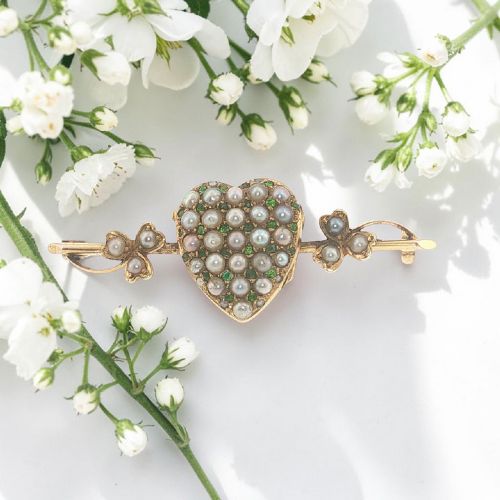
Makers utilised various metals and gemstones to enrich these items, resulting in diverse stylistic expressions. Examples range from simple rose gold bands with heart drops to elaborate pendants set with seed pearls, turquoise, and diamonds.
Materials and Techniques
Craftsmen built these pieces using varied purities of gold, predominantly 9ct rose gold, 9ct yellow gold, and higher carat 15ct or 18ct gold. Metalworking techniques combined cast gold elements with hand-engraved details on curb links and gate bracelets.
Gemstones such as diamonds, seed pearls, turquoise, amethysts, and garnets were carefully flush set or mounted in claw settings. Enamelling techniques, including guilloche and plique-à-jour, added translucent colour to pendants and brooches.
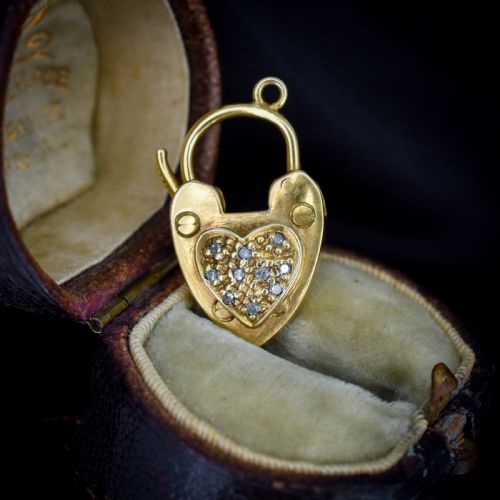
Padlocks and lockets incorporated mechanical hinges and spring-loaded clasps, requiring precise metal fabrication. Components were often stamped, chased, or engraved to create textured surfaces on the gold.
Determinants of Quality
The calibre of a piece depends largely on the complexity of its metalwork and the integrity of its stones. Hand-engraved patterns that remain sharp and deep indicate superior execution compared to worn or shallow stampings.
Material composition significantly alters value, with higher gold carats and natural gemstones like diamonds or untreated pearls elevating a piece. The presence of specialist enamel work, such as intact guilloche or plique-à-jour, demonstrates higher workshop skill.
Structural soundness in functional elements, including operating lockets and secure padlock clasps, marks superior original manufacturing. Pieces retaining clear hallmarks and maker marks offer greater certainty regarding their origin and metal purity.
Deakin & Francis
The Edwardian Gold Heart Jewellery Glossary
- Heart padlock
- A functional clasp shaped like a heart, commonly used to secure gate and curb link bracelets from the period. These elements often feature engraving or hallmarks.
- Seed pearl
- A very small, naturally formed pearl used extensively in clusters and floral motifs on Edwardian pendants and brooches. They are typically half-drilled and glued or pegged onto a backing.
- Guilloche enamel
- A decorative technique where translucent enamel is layered over engine-turned metalwork, creating repeating geometric patterns beneath the coloured glass surface. It frequently appears on Edwardian pendants.
- Gate bracelet
- A flexible wrist ornament constructed from numerous parallel metal bars linked together, usually fastening with a heart padlock. This style originated in the Victorian era and persisted through the Edwardian period.
Edwardian Gold Heart Jewellery: Frequently Asked Questions
How do you wear a heart padlock bracelet?
A heart padlock bracelet fastens around the wrist by opening the spring-loaded mechanism on the padlock to catch a designated ring on the chain.
These bracelets were designed for daily wear, though their clasps and links should be handled with care to preserve the original metalwork.
What does back and front locket mean?
A back and front locket refers to a piece where the front and rear panels consist of gold over a non-gold base metal core, while the rims remain solid gold.
This construction method allowed makers to produce lighter, accessible lockets without sacrificing the external appearance of solid gold.
How do I care for antique gold jewellery?
Antique gold jewellery requires gentle maintenance, avoiding harsh chemical cleaners or ultrasonic baths that might damage delicate gemstones like seed pearls or enamel.
Storing pieces individually in soft pouches prevents scratching between items, particularly when dealing with softer 9ct or 15ct gold alloys.