

Edwardian Gold Engagement Ring
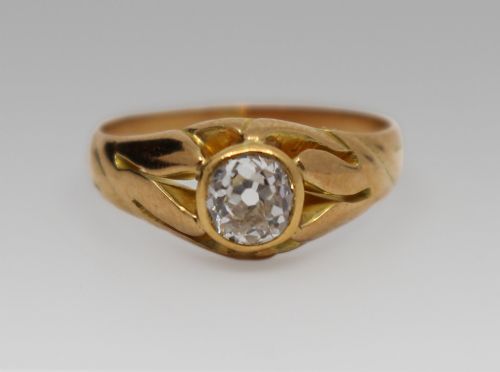
When you select an edwardian gold engagement ring, you hold a piece of early twentieth-century romance shaped by delicate craftsmanship and old-cut diamonds.
Edwardian Gold Engagement Ring
An edwardian gold engagement ring bridges the ornate Victorian past and the geometric lines of the Art Deco period, typically originating from the early decades of the twentieth century.
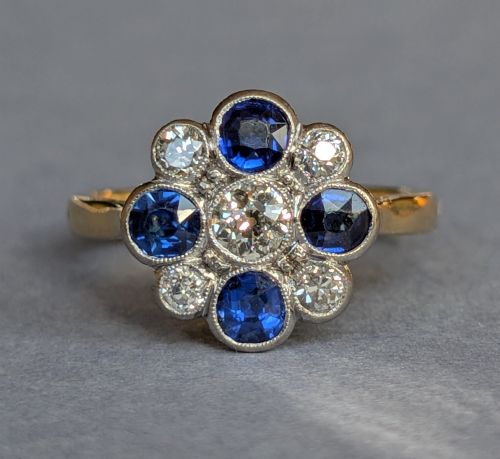
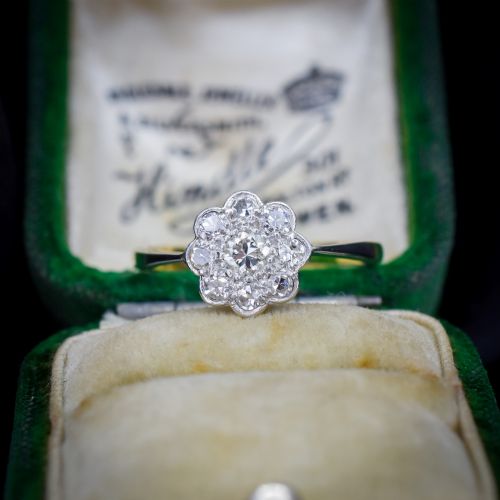
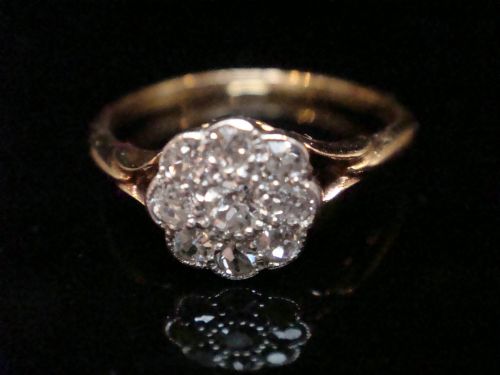
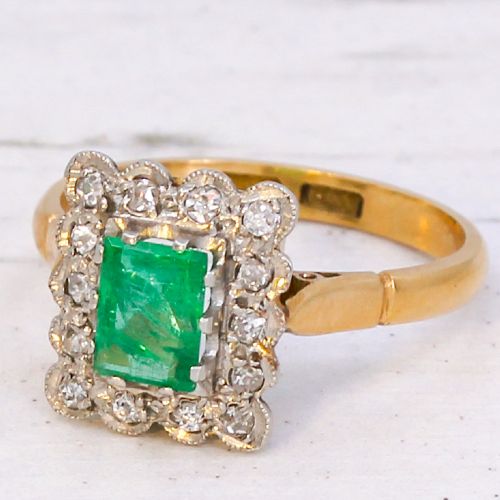
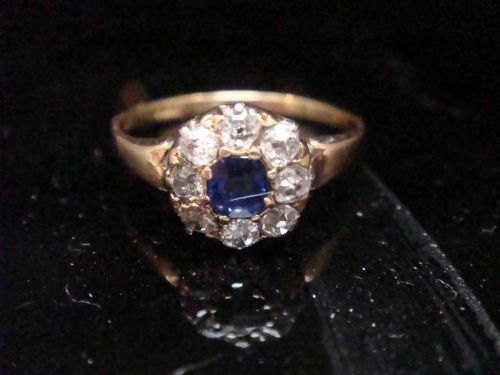
The version most commonly met on this page is the classic cluster or daisy configuration, where smaller stones surround a central diamond, sapphire, ruby, or emerald.
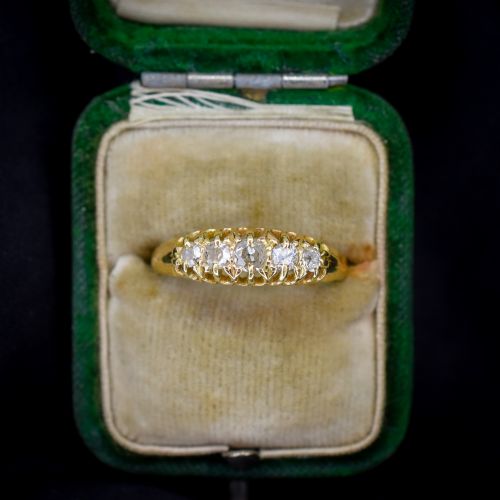
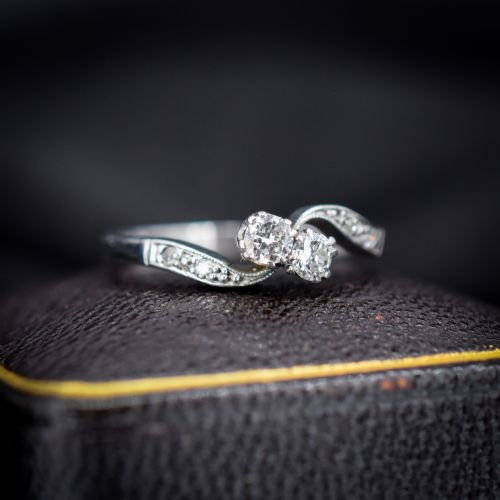
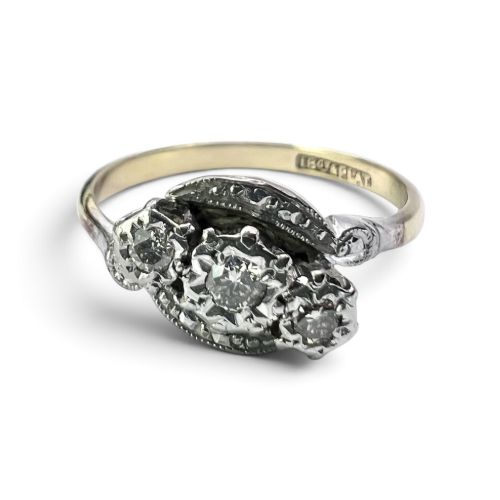
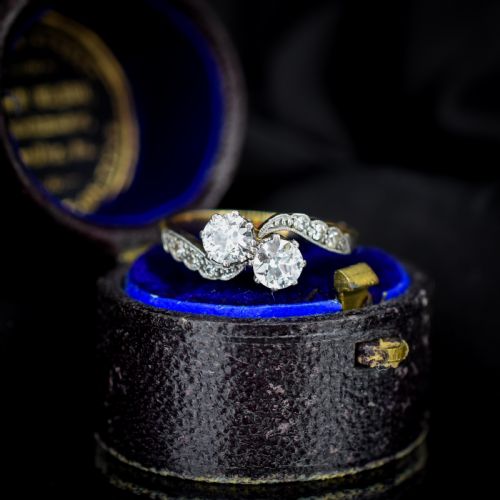
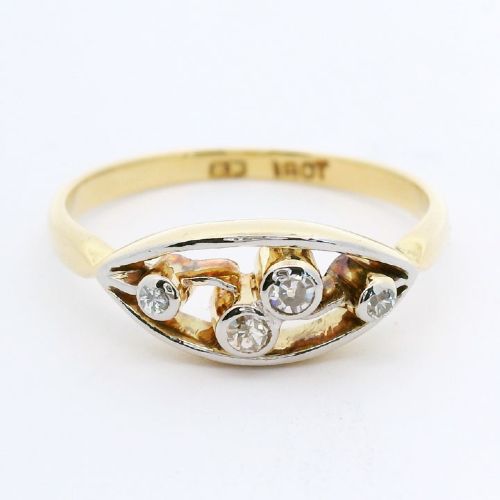
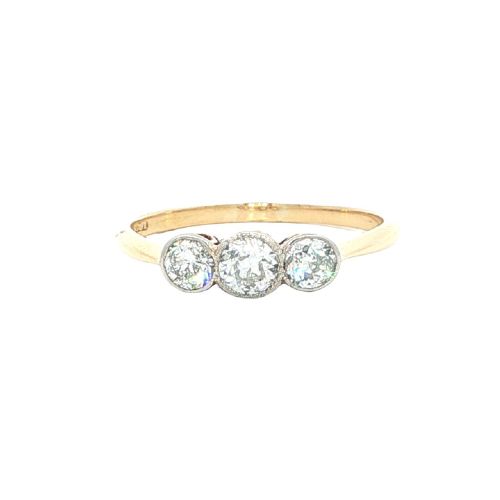
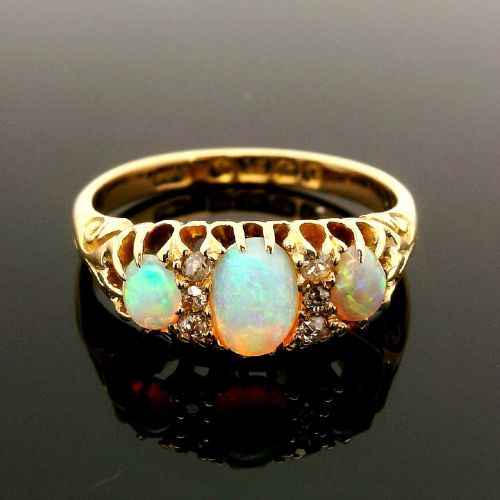
Makers of the era also favoured multi-stone trilogy settings, delicate boat shapes, and twinned stones known as Toi Et Moi designs.
How They Were Made
Jewellers predominantly used 18ct yellow gold for the shank while increasingly turning to platinum for the top settings to securely hold diamonds against the light.
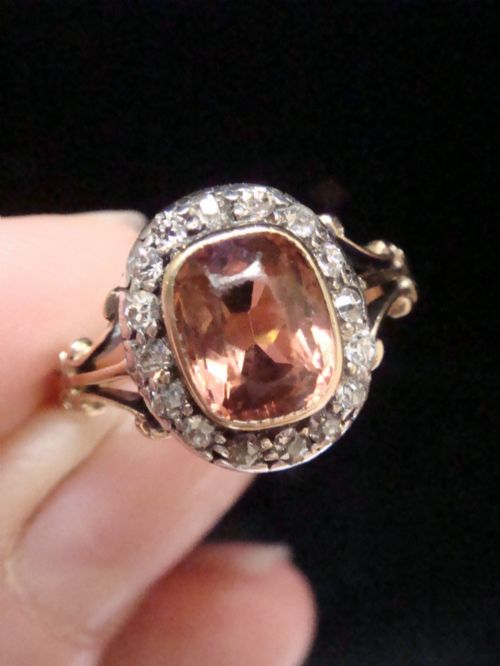
Stones were predominantly hand-cut with open culets and deeper pavilions, creating the characteristic soft sparkle associated with old mine and old European cuts.
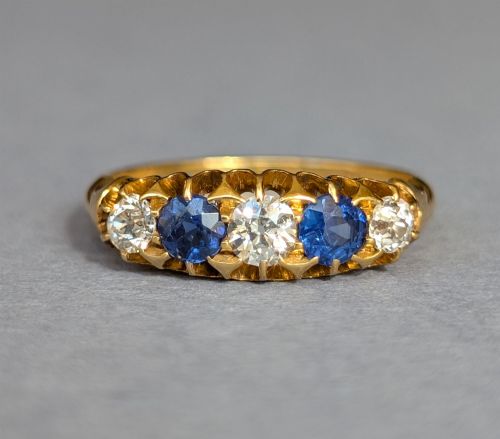
Many Edwardian couples chose vibrant green emeralds or deep blue sapphires as centre stones instead of diamonds.
What Varies in Quality
The distinction between tiers rests upon the proportions of the setting and the fineness of the pierced or millegrain decoration framing the stones.
Mastery is evident where the gold and platinum work feels light yet robust, holding the gems without heavy or clumsy metal claws.
The Edwardian Gold Engagement Ring Glossary
- Millegrain
- A technique involving a row of tiny raised metal beads along the edge of a setting, adding a soft textured border to Edwardian jewels.
- Old Cut
- A diamond cut by hand before modern machinery, featuring a smaller table, higher crown, and distinctively open culet that catches candlelight.
- Toi Et Moi
- A ring style featuring two stones placed side by side or in a gentle twist, symbolising two souls intertwined.
- Daisy Cluster
- A circular cluster setting with a central gemstone surrounded by a ring of smaller white stones resembling floral petals.
- Boat Ring
- A horizontal navette or boat-shaped setting that tapers gracefully toward the shoulders of the band.
Edwardian Gold Engagement Ring: Frequently Asked Questions
How do I identify an Edwardian engagement ring?
Look for platinum-topped gold settings combined with delicate hand-pierced gallery work and millegrain detailing around the stones.
Old-cut diamonds and gemstones like sapphires or rubies set in 18ct yellow gold further point to this specific early twentieth-century period.
Can I wear an antique ring every day?
These rings were built to be worn, but the delicacy of Edwardian settings requires some mindfulness during heavy manual tasks.
Take the ring off for gardening, swimming, or weightlifting to protect the claws and the underlying gold or platinum structure.
What is an old cut diamond?
An old cut diamond is a stone shaped by hand during the late nineteenth and early twentieth centuries rather than by automated laser technology.
These diamonds possess a distinct charm with broader facets that produce a warm, candlelit glow rather than modern brilliant flash.
How should I clean my gold ring?
Soak the piece gently in warm water mixed with a drop of mild washing-up liquid and brush the setting softly with a very soft toothbrush.
Avoid harsh chemical dips or ultrasonic cleaners, particularly if the ring contains softer gems like opals, pearls, or emeralds.