

Edwardian Glazed Door
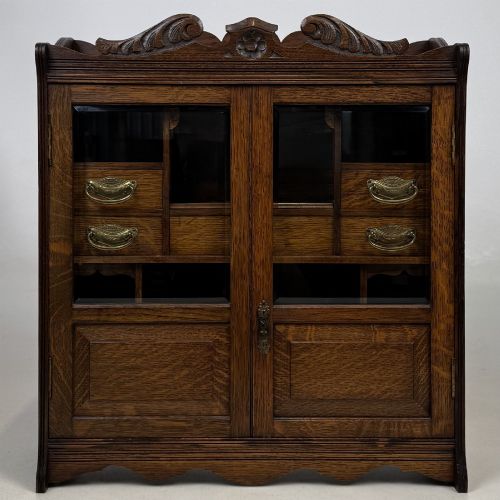
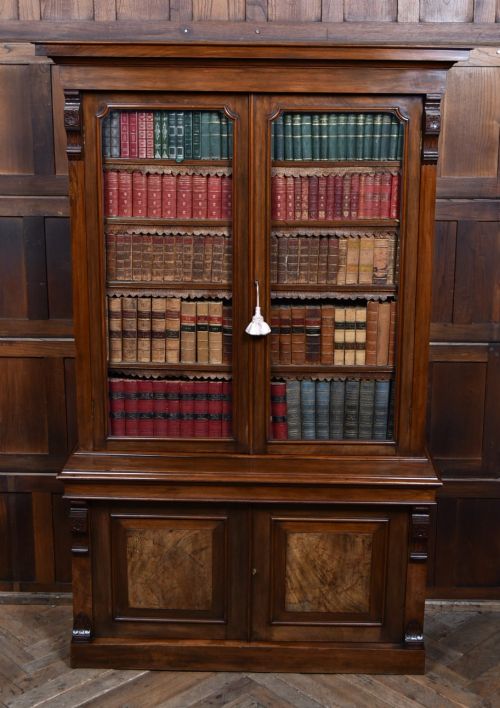
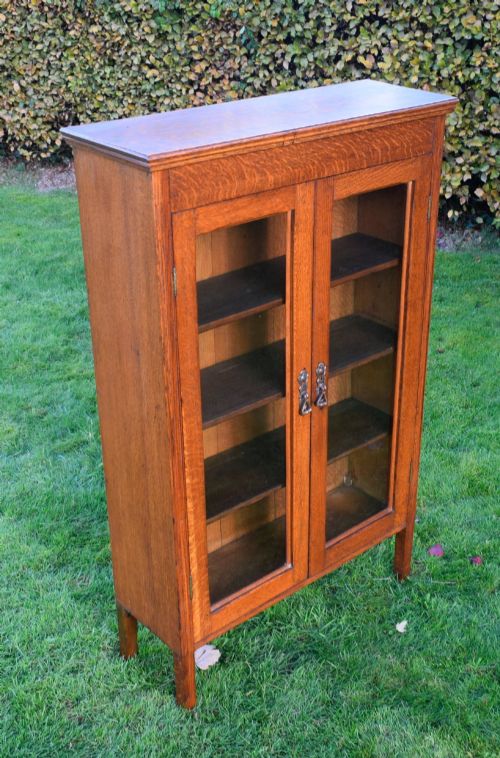
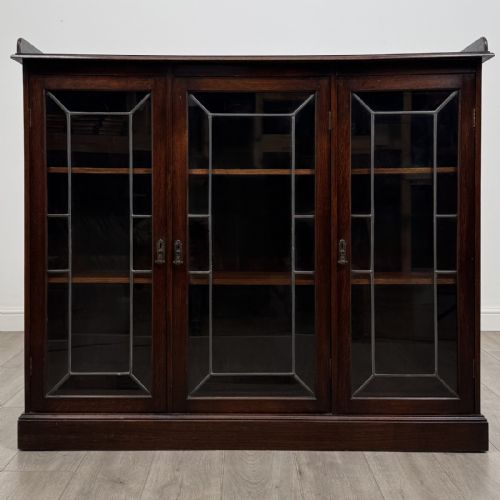
An edwardian glazed door brings light into a room while keeping books and china protected behind clear or leaded glass.
Edwardian Glazed Door
An edwardian glazed door typically forms part of a larger cabinet, bookcase, or vitrine designed to display possessions safely within domestic spaces. These architectural fittings and furniture elements emerge from periods spanning the late nineteenth century through the nineteen-twenties, incorporating earlier revival aesthetics.
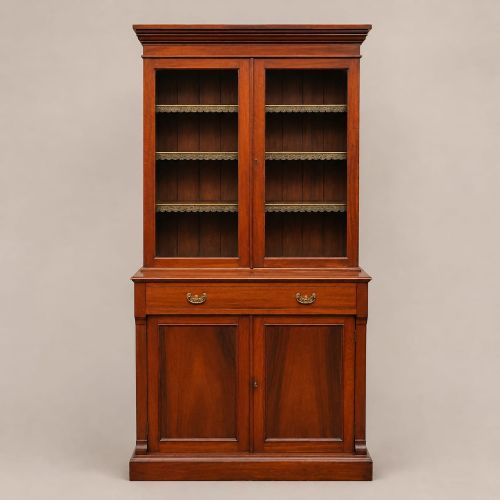
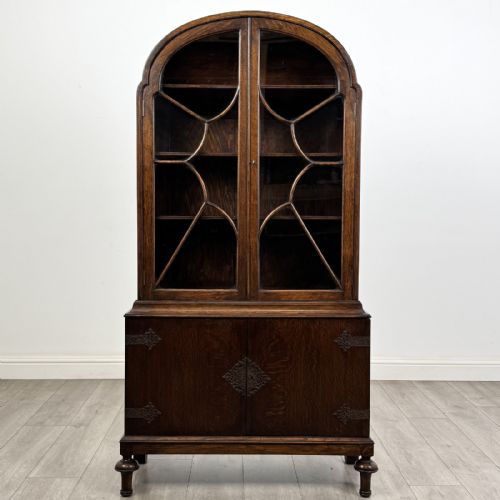
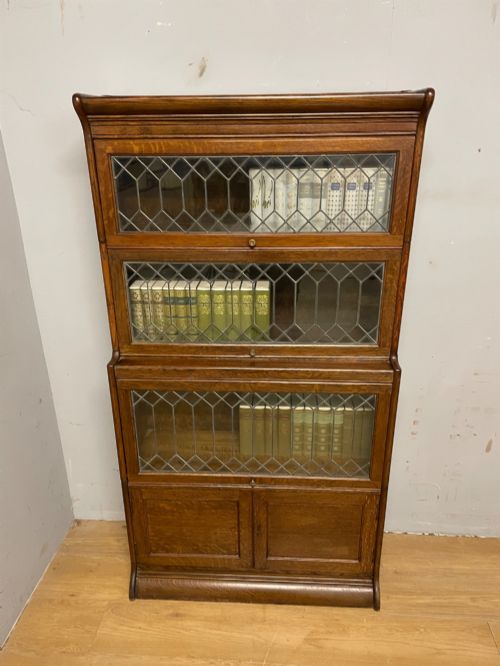
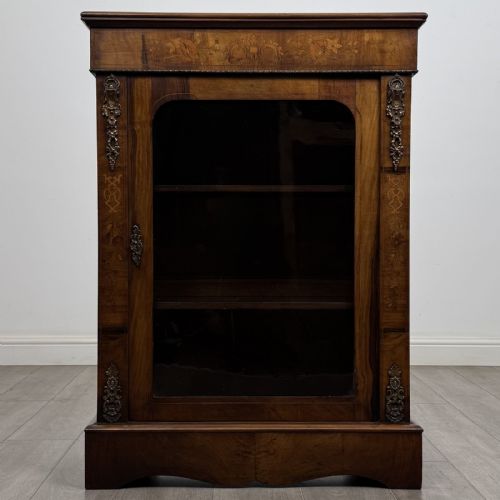
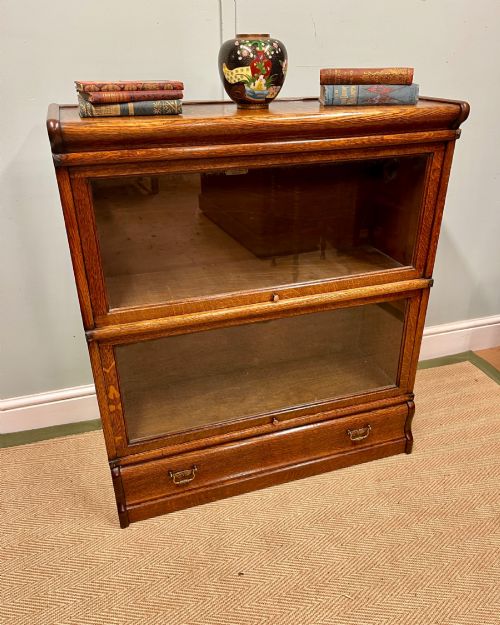
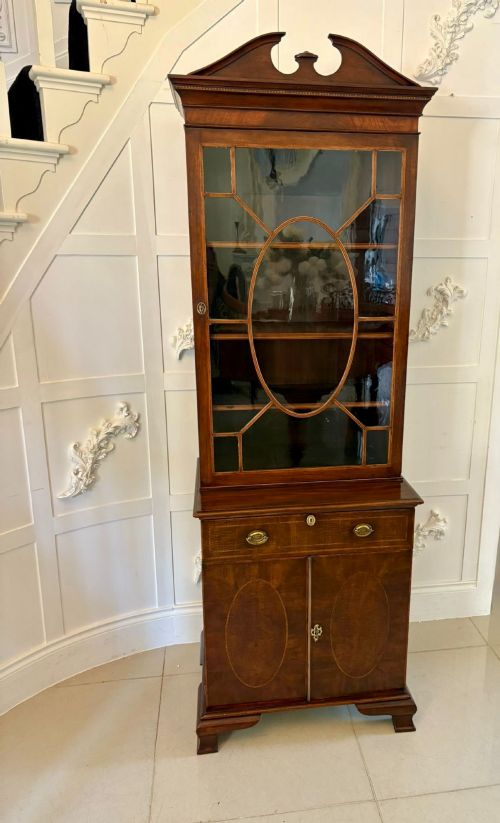
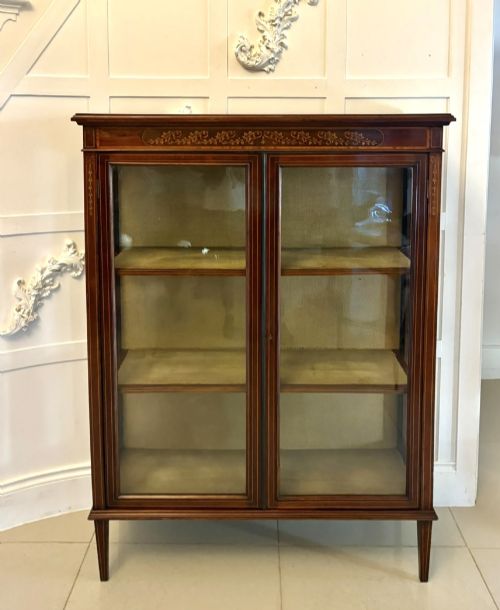
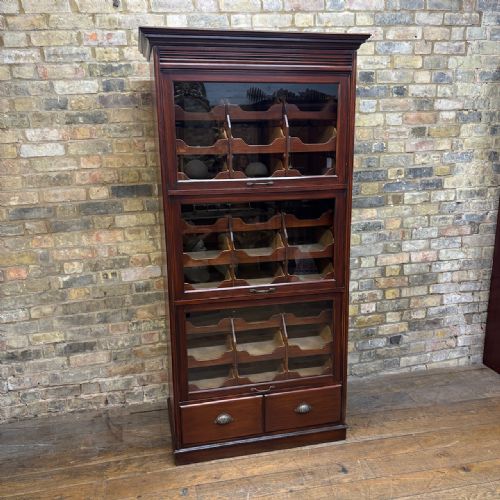
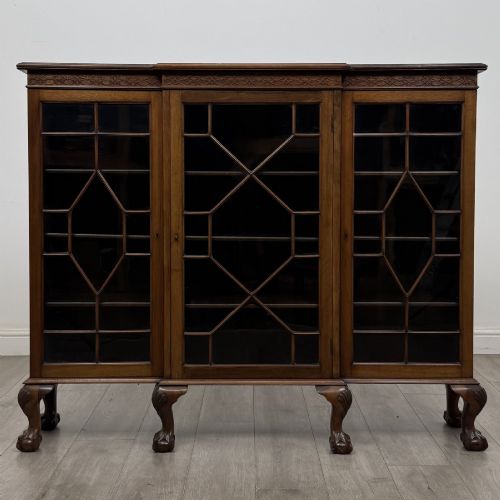
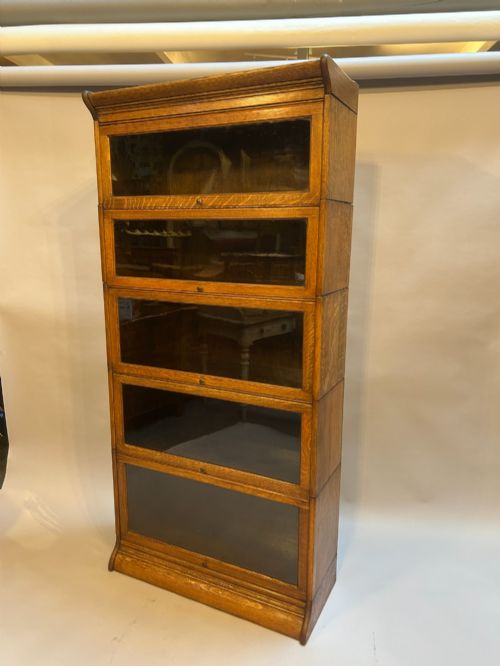
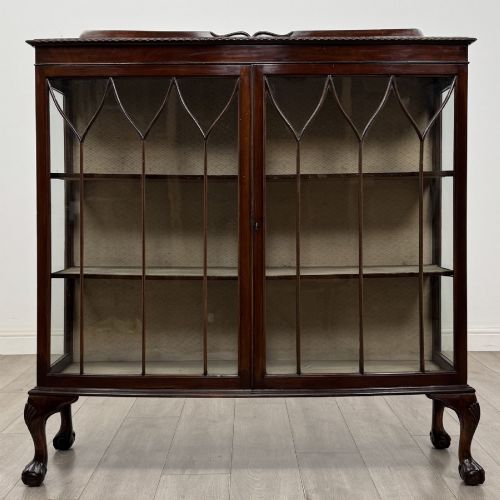
Buyers encounter numerous variations on this page, ranging from oak sectional stacking bookcases to mahogany display cabinets featuring painted satinwood or inlaid details. Wall-mounted opticians cabinets and tall narrow pier cabinets also appear alongside larger sideboards and libraries.
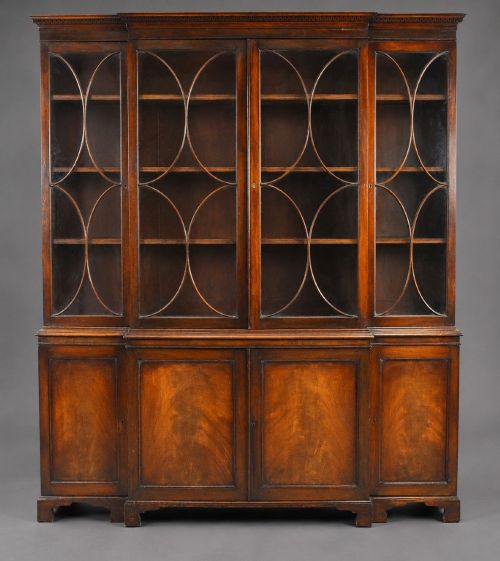
The dominant forms lean toward Edwardian and Victorian production, though pieces bearing influences from the Arts and Crafts movement and various revival styles remain common. Formats shift from single door wall units to multi-door breakfront bookcases intended for substantial rooms.
How they were made
Cabinet makers constructed frames primarily using timbers such as oak, mahogany, and burr walnut, often complemented by satinwood veneers and brass hardware. Glass panels were secured within wooden rebates or leaded cames, requiring precise joinery to support the weight of the transparent sheets.
Surface decoration frequently involved intricate marquetry inlay, ormolu mounts, and hand-polished finishes that highlighted the natural grain of the wood. Sectional designs like stacking barristers utilised clever mechanical tracks to allow individual glazed doors to lift and slide inward.
Edwardian Glazed Door Retail Price Guide 2026
Typical asking prices for edwardian glazed door among the pieces listed under this phrase on Sellingantiques today, from the lower quarter to the upper quarter. They describe what is for sale here now, not the wider market.
Opticians needed tidy storage for lenses and frames, leaving behind neat wall cabinets with tiny glazed compartments for modern collectors to repurpose.
What varies in quality
The standard of construction depends heavily on the selection of timber veneers and the precision of the cabinet joinery. Superior examples display carefully matched grain patterns across the doors and drawer fronts, maintaining rigid structural integrity without warping.
Execution of decorative elements such as inlaid banding, hand-carved mouldings, and painted satinwood panels distinguishes standard workshop production from finer firm output. Original glass panels, intact brass fittings, and working locks further elevate the standing of a piece.
William Baker And Co Ltd·Gunn·Lebus·Hampton And Sons
The Edwardian Glazed Door Glossary
- Glazed door
- A timber frame fitted with transparent glass panes designed to enclose shelving while allowing visibility of the contents. These components serve as the primary access points for bookcases and display cabinets.
- Sectional bookcase
- A modular storage unit composed of individual stacking tiers, each featuring its own glazed lifting door. This clever design allows units to be disassembled and rearranged easily.
- Pier cabinet
- A narrow freestanding cabinet built specifically to occupy the wall space or pier between windows. They typically feature a single glazed door and compact proportions.
- Ormolu
- Gilded bronze ornamentation applied to furniture surfaces for decorative effect. This technique was frequently utilised on nineteenth-century revival cabinets.
- Astral glazed
- Glass panels divided into smaller panes by narrow wooden bars known as glazing bars or muntins. This traditional method creates a geometric grid pattern across the door.
Edwardian Glazed Door: Frequently Asked Questions
What rooms suit an edwardian glazed door?
These doors belong on cabinets that fit well in studies, living rooms, and dining spaces where books or decorative objects require protection from dust.
They also function effectively in hallways and kitchens as storage units that maintain an open, airy feel through transparent glass.
How do I clean the glass safely?
Use a soft cloth and a mild glass cleaner applied directly to the cloth rather than the wood to prevent liquid damage to antique finishes.
Take care around leaded cames or delicate muntins so the structure remains secure during wiping.
Can shelves inside be adjusted?
Many period bookcases and cabinets feature fixed wooden shelving due to the original construction methods used by the makers.
Some sectional or modular variants permit shelf movement or tier removal depending on the specific mechanical design.
How do I identify Edwardian style?
Edwardian furniture generally exhibits lighter proportions and brighter timber tones than heavy Victorian predecessors, often drawing inspiration from earlier Sheraton designs.
Inlay work tends to be refined, and painted satinwood finishes frequently appear on pieces intended for formal display.