
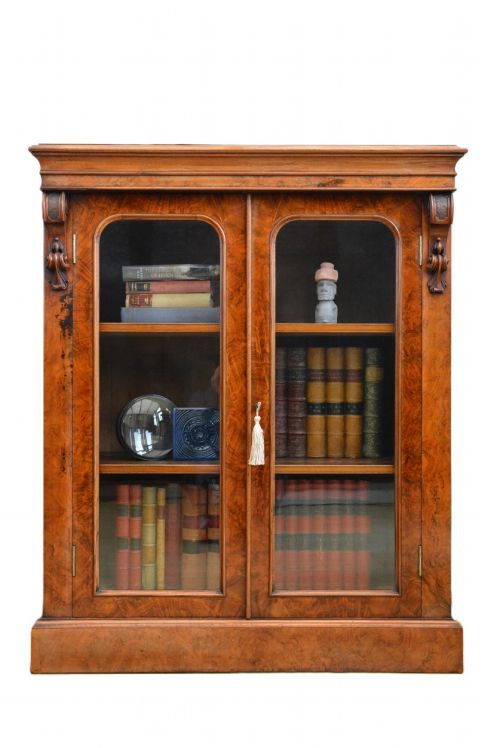
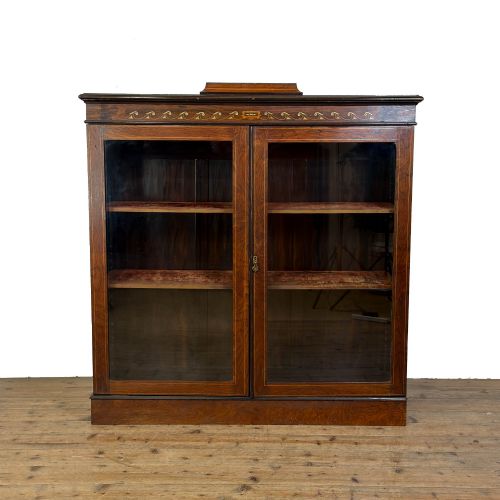


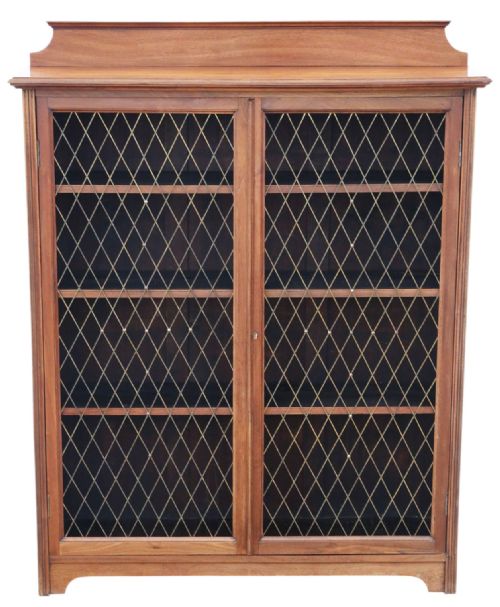
Edwardian Glazed Book Cupboard
An edwardian glazed book cupboard gives a room architectural order while keeping volumes safe behind glass.
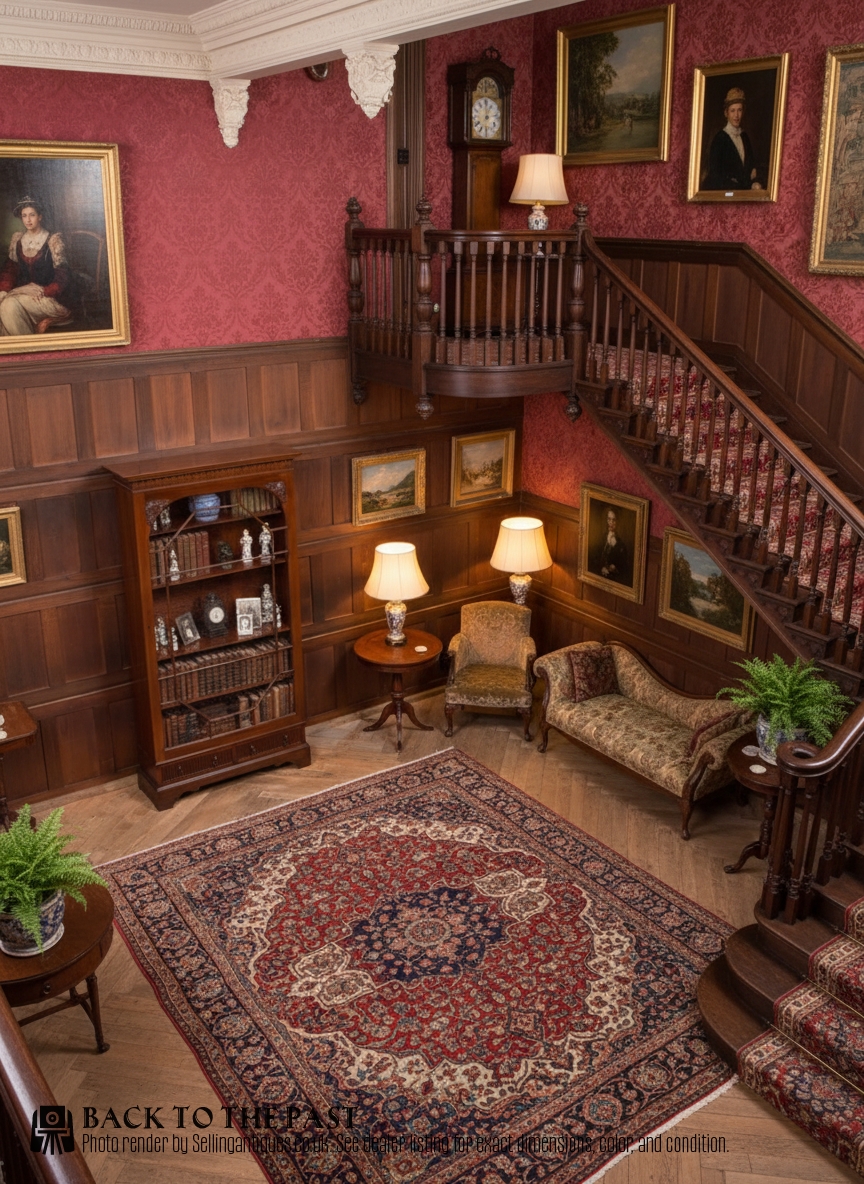
Edwardian Glazed Book Cupboard
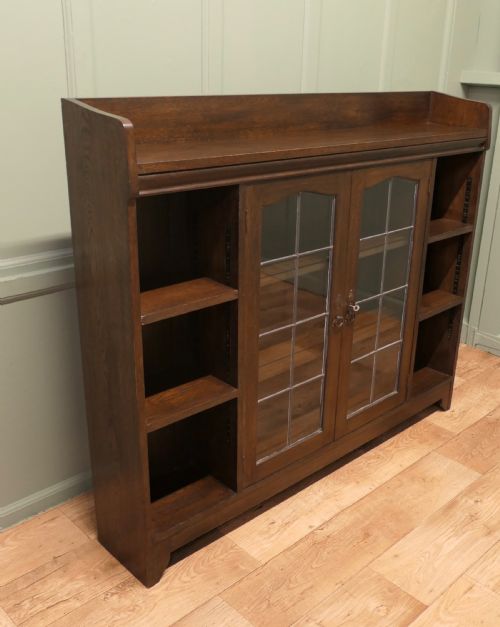
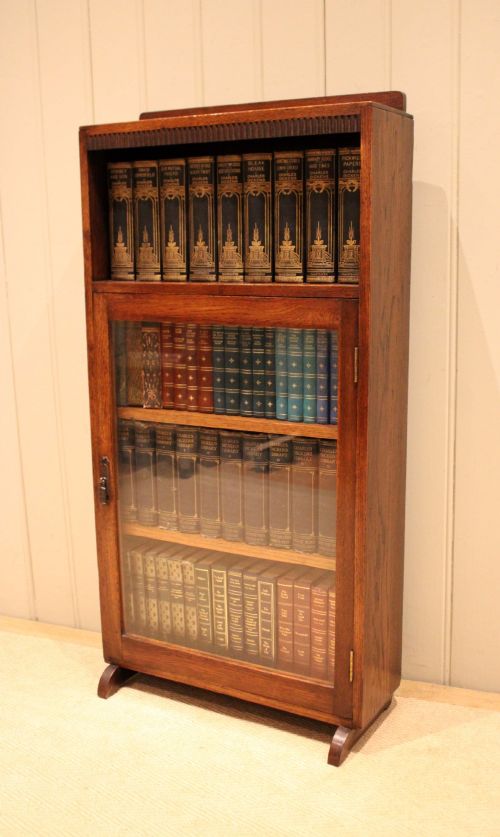
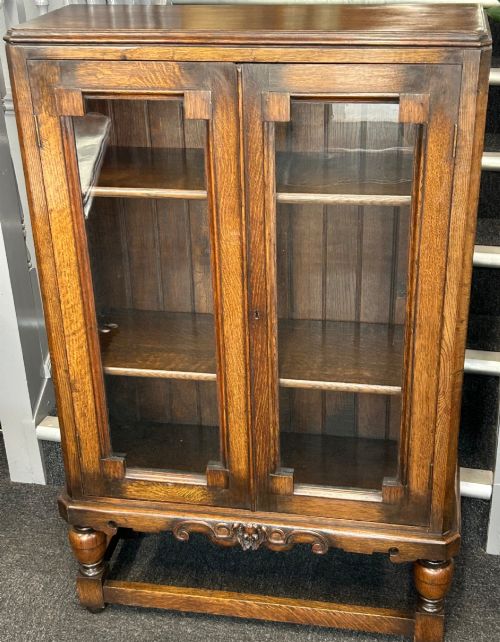
An edwardian glazed book cupboard brings together a lower storage base and an upper glazed display section, appearing frequently in Edwardian formats alongside late Victorian and 1920s variants. These pieces serve as practical furniture for studies and libraries, combining enclosed shelving for books with glazed panels to keep dust at bay.
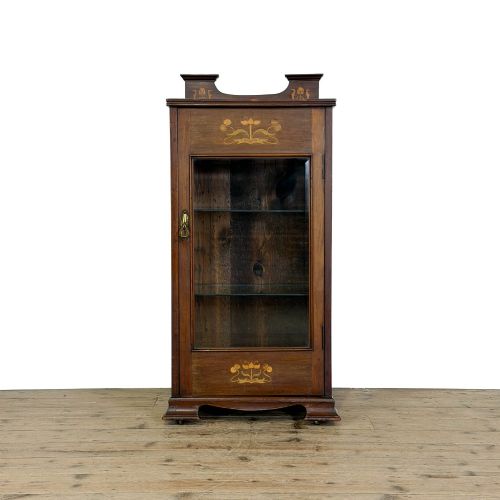
The versions met most often on this page span Edwardian mahogany and oak designs, sometimes incorporating walnut or satinwood inlay, and frequently arriving as two-part modular units. They range from small tabletop gallery cupboards to tall three-door library pieces.
What varies in quality
The choice of timber and veneer determines the visual weight of the piece, with figured walnut, pollard oak, and rich mahogany sitting at the higher end of craftsmanship. Finely turned astragal bars and crisp wood inlay indicate greater skill in the cabinet shop.
Structural integrity rests on the fit of the glazed doors and the smooth operation of adjustable shelving tracks. Pieces bearing maker stamps reflect workshop provenance, whilst simpler institutional examples prioritise utility over decorative ornament.
Several pieces originated in school libraries, where rowdy pupils tested the durability of Edwardian oak woodwork daily.
Wylie and Lochhead Ltd·Maple and Co·A Blain and Son Liverpool
The Edwardian Glazed Book Cupboard Glossary
- Astragal
- Moulding strips that divide a glass window into smaller panes within a door. These wooden bars add structural support and geometric pattern to the front of a bookcase.
- Inlay
- Contrasting woods or materials set into the surface of a piece to create decorative patterns. Satinwood and darker timbers are frequently used for this detailed work.
- Pollard oak
- Timber taken from trees that were cut back to promote dense branch growth, producing a highly textured, mottled grain. This material appears on select high-end Victorian and Edwardian cabinets.
Edwardian Glazed Book Cupboard: Frequently Asked Questions
How do I clean the glass?
Use a soft cloth and mild glass cleaner, taking care not to spray liquid directly onto the wooden frames or astragal bars.
Excess moisture can damage antique timber and loosen the putty or glazing points holding the glass panes in place.
Are the shelves adjustable?
Many examples feature movable internal shelving supported by wooden ratchets, metal pegs, or slotted side panels.
This allows you to alter the shelf height to accommodate books of varying sizes.
How do I distinguish Edwardian from Victorian?
Edwardian pieces often feature lighter timbers, simpler lines, and satinwood inlay influenced by Hepplewhite revival styles.
Victorian cabinets tend to use darker mahogany, heavier proportions, and more robust architectural mouldings.
Can these hold heavy books?
The internal shelving is generally sturdy enough for standard volumes, though thick oak library shelves support heavier loads than thin mahogany boards.
Check the condition of the shelf supports before loading large collections.