




Edwardian Gesso Mirror
An edwardian gesso mirror brings reflective depth and moulded relief to a room, drawing the eye with its built-up surface ornamentation.
Edwardian Gesso Mirror
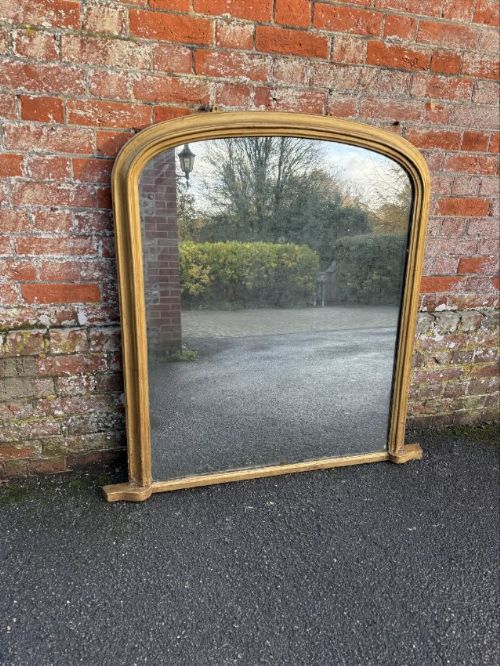
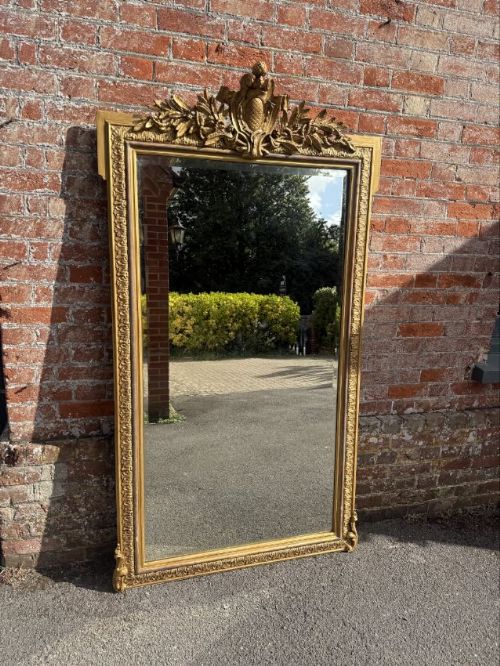
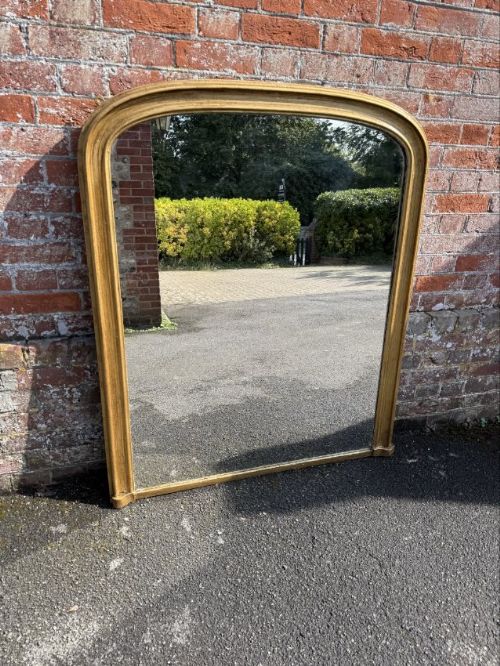
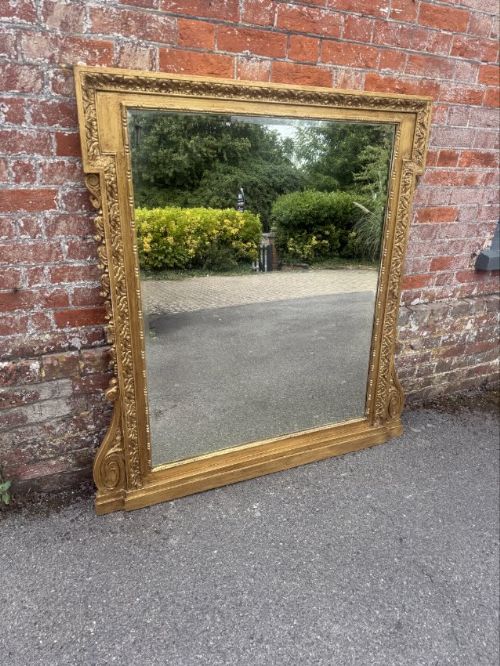
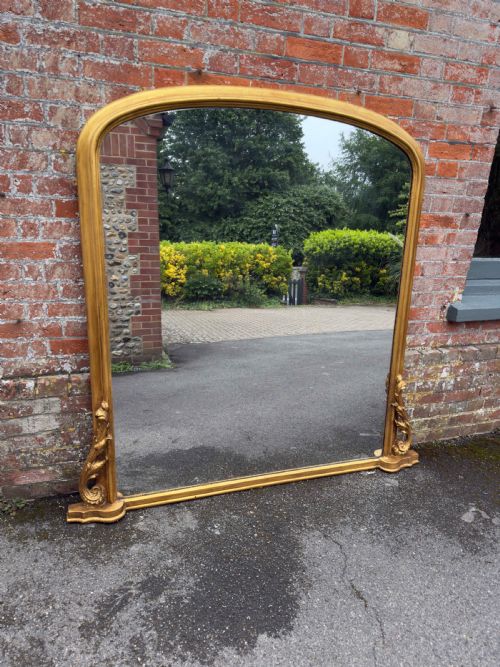
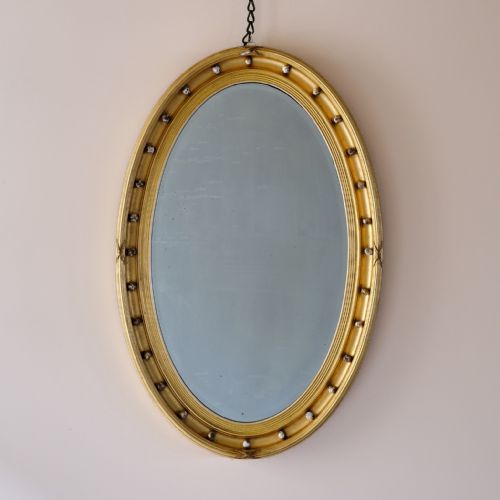
An edwardian gesso mirror encompasses wall-hanging and overmantel forms produced around the turn of the twentieth century, alongside related pieces spanning the nineteenth and early twentieth centuries. These items combine timber frames with applied plaster ornamentation, often finished in gold leaf or paint.
The selection ranges from large architectural overmantels with arched tops to smaller oval and circular wall pieces. Styles span from revival motifs such as Adam and Rococo to simpler geometric and floral designs.
How they were made
Maker's workshops built these frames using a foundation of carved wood, such as oak or other timber, which provided structural stability. Over this wooden base, artisans applied layers of gesso - a mixture of plaster and binder - to build up high-relief decorative elements.
Once dry, the gesso layer was carved or moulded into intricate patterns including scrolls, leaves, and beadwork. Finishers then applied gold leaf, giltwood, or paint directly to the prepared surface to achieve the final appearance.
Edwardian Gesso Mirror Retail Price Guide 2026
Typical asking prices for edwardian gesso mirror among the pieces listed under this phrase on Sellingantiques today, from the lower quarter to the upper quarter. They describe what is for sale here now, not the wider market.
Certain frames incorporate sand moulded directly into the wet gesso to create a textured, glittering background for gilded leaves.
What varies in quality
Quality in these mirrors rests upon the crispness and depth of the moulded or carved ornament within the gesso layer. Superior examples display sharp definition in floral and scroll motifs without softening of detail.
The integrity of the underlying wooden frame and the quality of the gilding or paint application further differentiate standard production from finer craftsmanship. Original mirror plates also contribute to the character and desirability of a piece.
The Edwardian Gesso Mirror Glossary
- Gesso
- A plaster-based mixture applied to wood frames to create a smooth or raised surface for gilding and painting. This material allows for intricate three-dimensional ornamentation.
- Giltwood
- Timber that has been coated with gold leaf or gold paint. It provides a luminous finish characteristic of formal period frames.
- Overmantel Mirror
- A large mirror specifically designed to hang above a fireplace mantel. These pieces often feature wide proportions and arched or shaped tops.
- Mercury Plate
- An older type of mirror glass backed with a mercury and tin amalgam. It produces a distinctive speckled reflection and deep tonal quality.
- Rococo Style
- An ornamental design movement characterised by asymmetrical scrolls, C-curves, and naturalistic shell or plant motifs. It heavily influences many nineteenth-century frames.
Edwardian Gesso Mirror: Frequently Asked Questions
Where should I hang an overmantel mirror?
These large mirrors traditionally sit directly above a fireplace mantelpiece, anchoring the vertical space of a chimney breast. Their generous proportions help to bounce natural light around a reception room.
Alternatively, they can be mounted securely on a principal wall in a hallway or dining room to create a strong focal point. Ensure the wall structure can support the substantial weight of a timber and plaster frame.
What is the difference between gesso and carved wood?
Carved wood involves cutting directly into a solid timber base to create decorative patterns using chisels and gouges. It is labour-intensive and structurally uniform with the frame.
Gesso is a pliable plaster composition built up over a simpler wooden core and then moulded or carved while semi-soft. This technique allowed makers to achieve elaborate relief ornamentation more efficiently.
Are these mirrors suitable for modern interiors?
The metallic finishes and architectural forms of these pieces allow them to contrast effectively against clean, contemporary walls. They bring texture, history, and a sense of scale to minimalist spaces.
Placing one opposite a window also maximises daylight distribution in smaller rooms, combining decorative appeal with practical function.