



Edwardian Furniture Maker
These pieces associated with an edwardian furniture maker combine refined cabinet-making traditions with functional household design.
Edwardian Furniture Maker
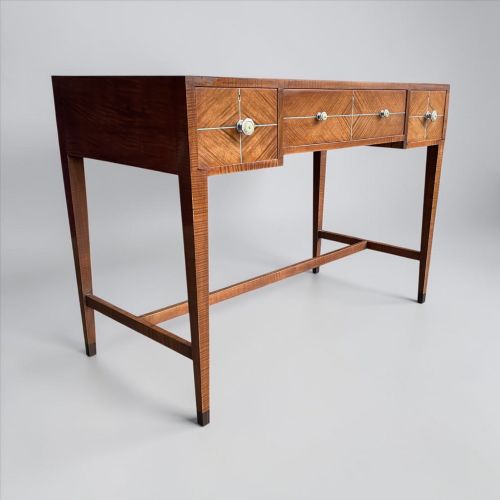
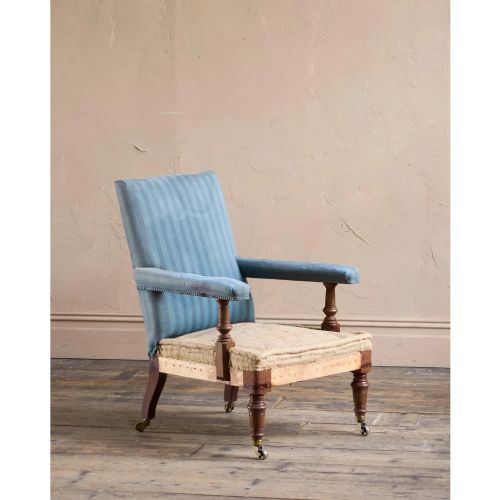
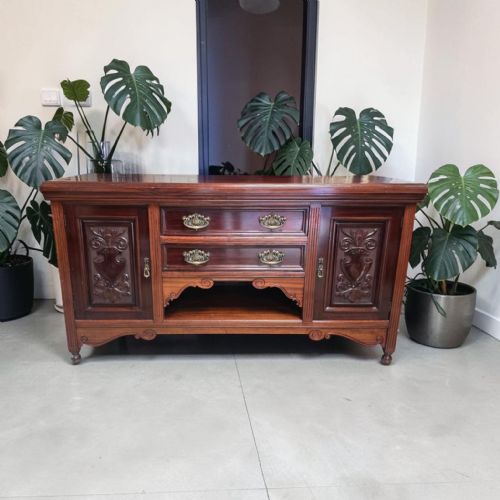
When you search for an edwardian furniture maker, you encounter a selection of practical and decorative household items spanning several decades and periods. The inventory on this page includes armchairs, chests of drawers, cabinets, desks, sideboards, dining tables, and bookcases.
These items originate from various eras such as the 19th Century, Victorian, Edwardian, 1900, 1920, and 1930 periods. You are most likely to meet formal dining tables, armchairs, and storage cabinets reflecting these diverse historical timelines.
How they were made
Makers utilised traditional timbers including solid mahogany, oak, walnut, burr walnut, and satinwood to construct sturdy carcases and frames. Decorative elements incorporate brass hardware, bone inlay, and hessian upholstery.
Techniques range from fine wood figure matching on Wellington chests to limed oak finishes and detailed inlaid satinwood work on cabinets. Makers applied these methods to ensure both structural durability and distinct aesthetic appeal.
Edwardian Furniture Maker Retail Price Guide 2026
Typical asking prices for edwardian furniture maker among the pieces listed under this phrase on Sellingantiques today, from the lower quarter to the upper quarter. They describe what is for sale here now, not the wider market.
Some chests hide their contents behind a locking side flap, keeping stray socks safely locked away from curious guests.
What varies in quality
Quality differences often hinge upon the selection of timber figures and the precision of inlaid elements like satinwood or bone. Highly figured wood grains and documented maker labels elevate the standing of a piece considerably.
The sophistication of the joinery and the integrity of the original hardware distinguish standard workshop output from exceptional commissions by notable firms. Attention to interior fittings and overall proportions remains a key indicator of superior construction.
Bath Cabinet Makers·Morison and Co·M. D. Miller and Sons·Whytock and Reid·Gillows of Lancaster·A Blain and Son
The Edwardian Furniture Maker Glossary
- Satinwood
- A durable, yellowish timber native to India and Ceylon, frequently utilised for fine cabinet-making and decorative inlay work. It produces a lustrous surface when polished.
- Pollard oak
- Oak timber taken from trees that have been pollarded, resulting in a dense, highly figured burr grain pattern. Cabinet makers prize this material for decorative veneer panels.
- Limed oak
- A wood finishing technique where a white composition is rubbed into the grain of oak to lighten its appearance. This treatment gained popularity during the Arts and Crafts movement.
- Open armchair
- A seat featuring unpadded wooden armrests and an exposed structural frame. These chairs often reflect specific regional workshop traditions.
Edwardian Furniture Maker: Frequently Asked Questions
What defines an edwardian furniture maker piece?
These items encompass practical household furniture produced by established workshops and documented firms. They span multiple eras while retaining traditional craftsmanship.
Design characteristics focus on utility combined with decorative timber selections like satinwood and mahogany.
How do I identify a signed piece?
Makers often incorporated paper labels, stamped signatures, or branded marks directly onto the timber framework or inside drawer boxes. These indicators confirm the originating workshop.
Documentation assists in tracing the piece back to specific documented firms and cabinet makers.
Where were these pieces used originally?
Items such as sideboards, dining tables, and bookcases served functional roles within formal dining rooms, libraries, and studies of period homes. Desks and cabinets furnished private writing rooms.
Domestic interiors relied on these substantial wooden items for daily organisation and household storage.
How do I care for antique timber furniture?
Maintain stable indoor humidity levels and keep wooden surfaces away from direct heat sources to prevent timber splitting. Regular dusting with a soft, dry cloth preserves the finish.
Avoid chemical polishes that can degrade historical wax and polish layers over time.