


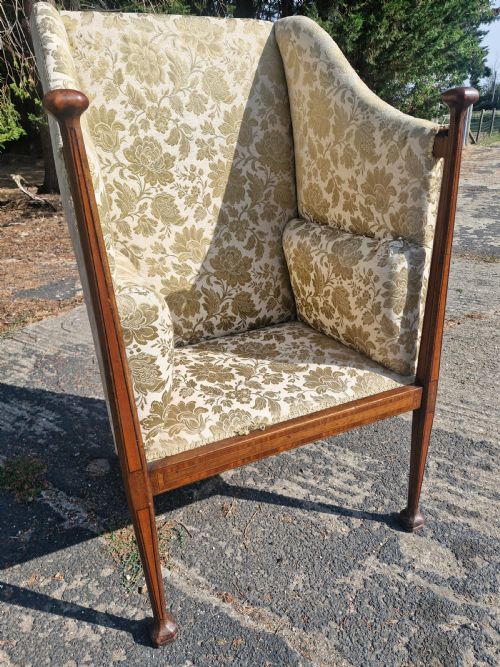
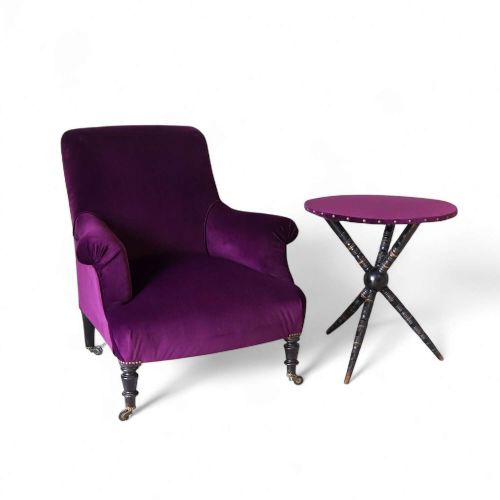
Edwardian Fireside Seat
An edwardian fireside seat brings comfortable low seating and warm timber frames directly to the hearth, offering sturdy support and traditional craft.
Edwardian Fireside Seat
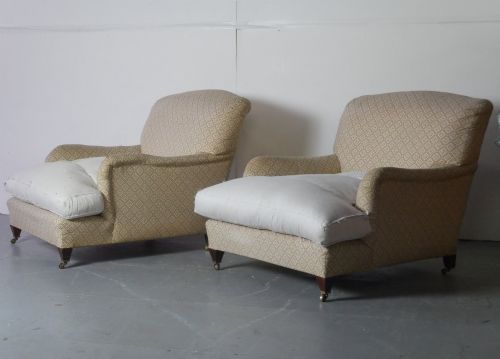
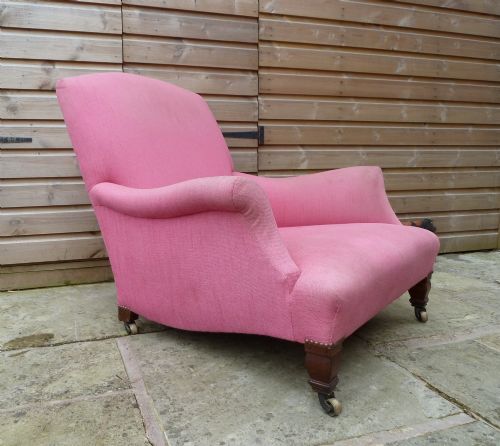
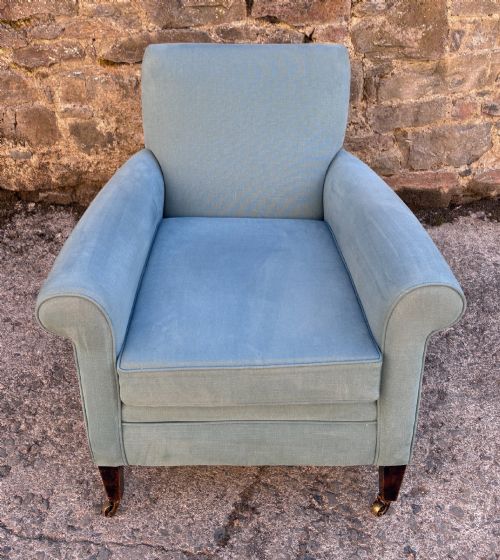
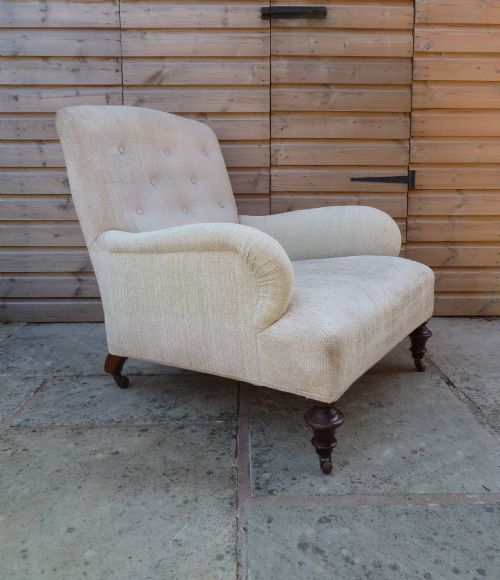
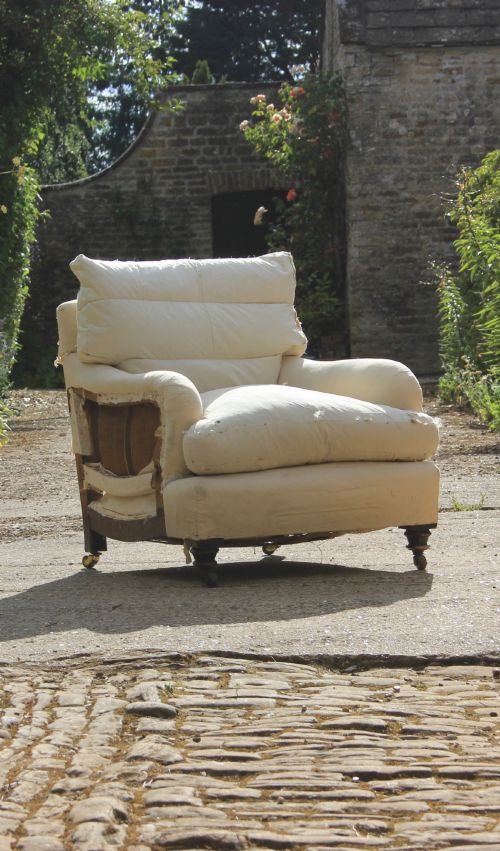
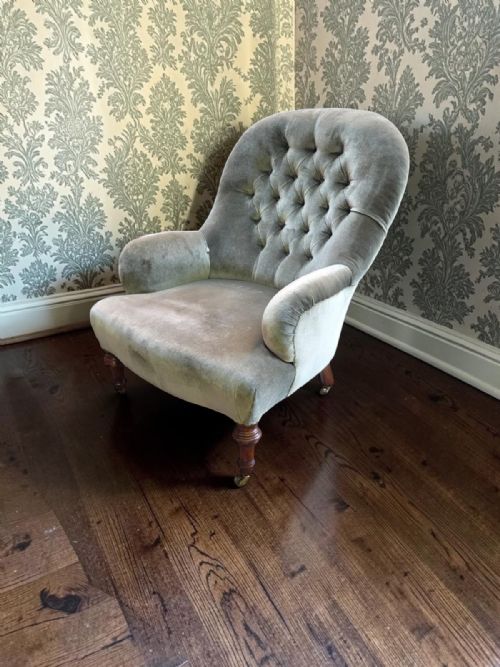
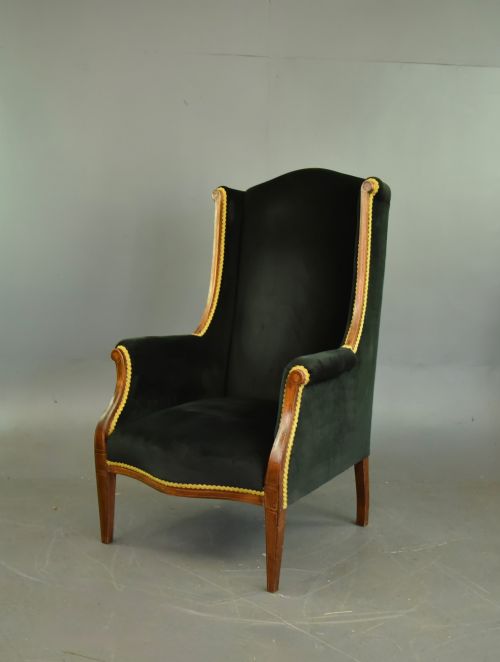
When you search for an edwardian fireside seat, you encounter an assortment of low armchairs, club chairs, wingbacks, and fender seats designed to sit close to the hearth. The pieces on this page span the Victorian and Edwardian eras through to the early twentieth century, reflecting varied domestic seating arrangements.
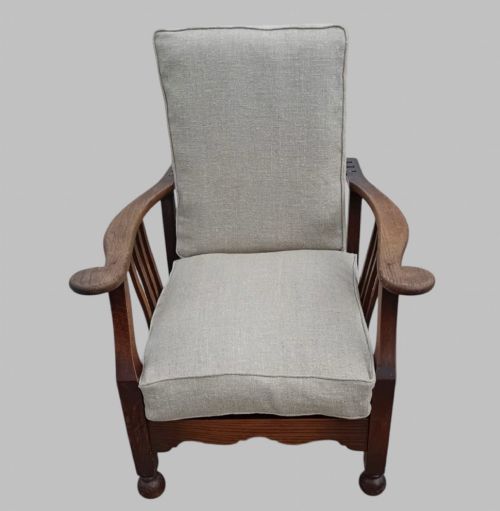
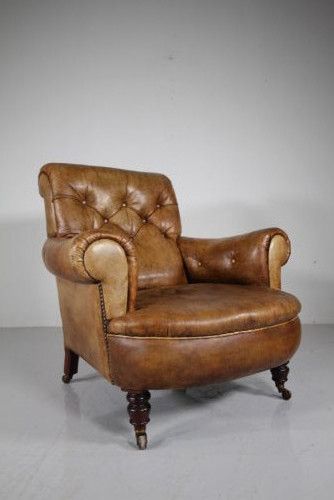
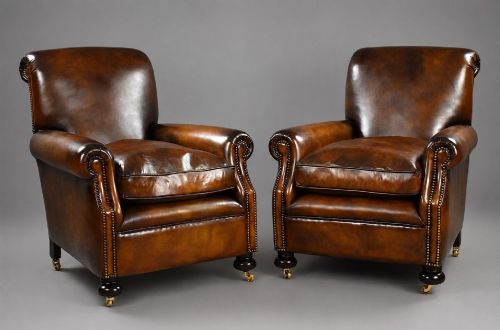
You are most likely to meet deep-seated upholstered armchairs alongside mahogany, oak, and walnut frames. Maker styles such as Howard and Sons frequently appear, alongside Arts and Crafts oak designs and leather club chairs built for heavy daily use.
How they were made
Frames rely on sturdy hardwoods including mahogany, oak, walnut, and rosewood, joined with traditional carpentry methods to withstand the heat and movement near an open fire. Cabinetmakers shaped structural timbers into winged backs, low open arms, and bobbin-turned supports.
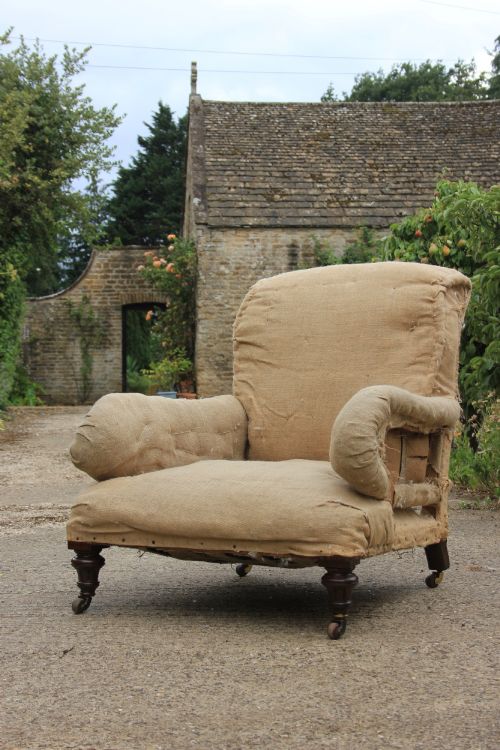
Upholstery relies on traditional stuffing secured beneath leather, velvet, or fabric, often finished with button-backed detailing. Steel and brass components appear on specialised club fenders and hearth seats.
Listings feature woods like mahogany, oak, walnut, and rosewood paired with leather, velvet, and brass.
What varies in quality
The standard of timber selection and joinery determines the structural integrity of the frame. Closely grained mahogany or quarter-sawn oak indicates superior cabinetmaking compared to softer secondary woods.
The execution of the upholstery work, from hand-tied springs to high-grade leather or velvet coverings, separates standard utilitarian seating from pieces produced by premier London workshops.
Howard and Sons·Hampton and Sons·Trollope and Sons·SF Cullen·Sopwith
The Edwardian Fireside Seat Glossary
- Bergère
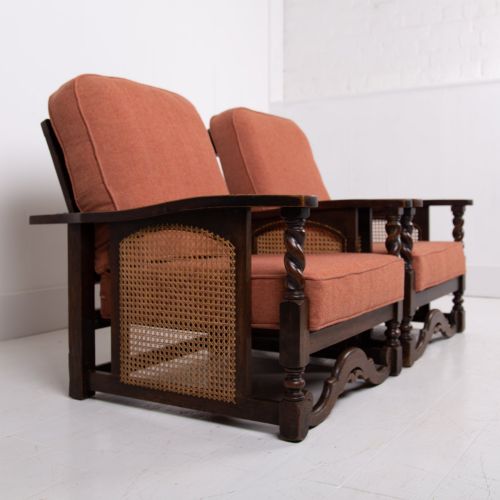
- An enclosed armchair with cane or upholstered sides and back. It provides a lighter appearance while retaining robust wooden framing.
- Club fender
- A low metal frame with padded leather or fabric seats placed around the perimeter of a fireplace. It provides both a hearth barrier and extra seating.
- Wingback
- An armchair featuring protective side panels attached to the arms and back. These wings historically blocked draughts from cold rooms.
- Slipper chair
- A low-seated upholstered chair designed originally for bedrooms. Its low profile made it practical for dressing near a fire.
Edwardian Fireside Seat: Frequently Asked Questions
What is an edwardian fireside seat?
An edwardian fireside seat is a low armchair, wingback, or hearth fender designed to sit comfortably close to an open fireplace.
These pieces utilise sturdy hardwoods like mahogany and oak paired with deep upholstery to provide warmth and support in principal rooms.
How do I identify an Edwardian period piece?
Edwardian seating typically displays lighter proportions, inlaid mahogany timbers, and refined upholstery styles characteristic of the early twentieth century.
Comparison with heavier Victorian walnut or earlier Arts and Crafts oak frames helps distinguish the specific manufacturing period.
Were these seats only used by the fireplace?
While originally designed to sit near the hearth to catch ambient heat, many forms functioned equally well in libraries and drawing rooms.
Deep seats and upholstered wings made them versatile lounge chairs throughout large English country houses.
What materials are common in these seats?
Frames are constructed from hardwoods such as mahogany, oak, walnut, and rosewood, sometimes accented with brass or steel.
Upholstery materials range from durable cattle leather and velvet to patterned fabric and traditional button-backed textiles.