




Edwardian Fireplace Seat
An edwardian fireplace seat brings practical fireside seating and solid brass or iron framework into the heart of the home.
Edwardian Fireplace Seat
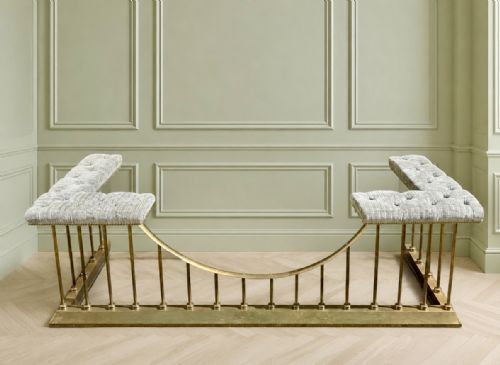
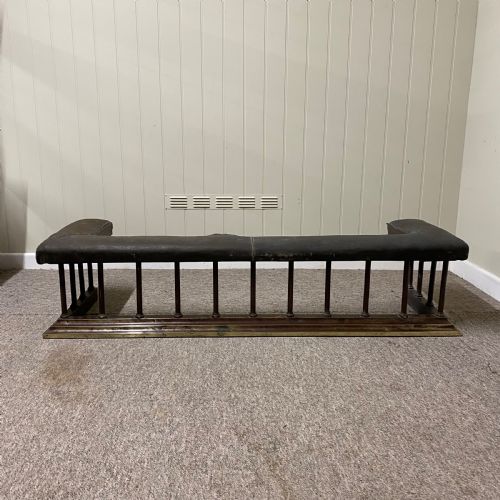
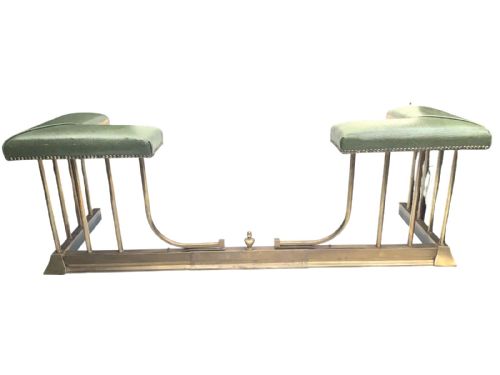
When you search for an edwardian fireplace seat, you are looking at substantial hearthside furniture designed to flank the fireplace opening. These pieces combine sturdy metal frames with low upholstered pads, allowing people to sit comfortably right by the fire.
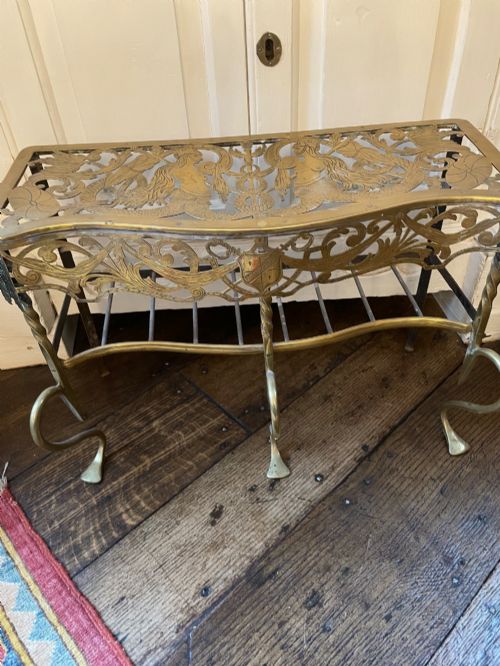
The versions you are most likely to meet on this page include club fenders and low footstools dating from the late nineteenth century through to the early twentieth century. Examples span various styles, from straightforward brass frames to Arts and Crafts carved oak designs.
Makers utilised durable materials such as brass, oak, mahogany, and wrought iron to construct these hearth seats. Their low profiles were specifically engineered to keep sitters warm beneath the mantel height while maintaining a clear view of the grate.
How they were made
Makers constructed the primary frames of an edwardian fireplace seat using heavy gauge brass, wrought iron, or polished oak and mahogany. These structural elements were joined securely to withstand the dry heat and daily use encountered directly beside an active hearth.
Upholstered top rails and seat pads incorporated traditional stuffing materials covered in durable leather, velvet, or woven fabric. Metal components frequently featured hand-turned spindles, pierced corner supports, and adjustable extension mechanisms.
Edwardian Fireplace Seat Retail Price Guide 2026
Typical asking prices for edwardian fireplace seat among the pieces listed under this phrase on Sellingantiques today, from the lower quarter to the upper quarter. They describe what is for sale here now, not the wider market.
Listings feature periods spanning from the nineteenth century through the 1930s, including Victorian and Edwardian examples.
What varies in quality
Quality in an edwardian fireplace seat depends largely on the weight of the metal tubing and the density of the underlying timber framework. Heavier gauges of brass and solid hardwoods indicate superior construction that resists warping from proximity to hearth heat.
Finishing details also separate standard examples from finer pieces, such as cleanly cast brass spindles, hand-carved oak details, and neatly buttoned leather or velvet upholstery. Adjustability mechanisms, where present, operate smoothly on higher-grade specimens.
William Birch
The Edwardian Fireplace Seat Glossary
- Club Fender
- A low seat structure built around the perimeter of a fireplace opening with padded top rails. These pieces typically feature metal or wooden uprights supporting upholstered benches.
- Arts and Crafts
- A design movement prioritising honest construction, visible handcraftsmanship, and local materials such as solid oak. Pieces from this tradition often display carved decoration and robust joinery.
- Sheraton Revival
- A late nineteenth and early twentieth century style drawing inspiration from eighteenth-century neoclassical furniture. It employs polished mahogany, fine proportions, and restrained classical ornamentation.
- Wrought Iron
- Iron hammered and shaped by hand into structural and decorative architectural forms. This material provides exceptional strength and rigidity for heavy-use hearth furniture.
- Upholstery
- The padded and covered portions of a seat designed for comfortable sitting. Traditional methods utilise durable fabrics, leather, or velvet secured over supportive stuffing.
Edwardian Fireplace Seat: Frequently Asked Questions
What is an edwardian fireplace seat used for?
An edwardian fireplace seat provides low seating positioned directly around the hearth. The design allows people to sit close to the fire while keeping out of drafts.
These pieces also serve to frame the fireplace opening, adding architectural structure and texture to the chimney breast wall.
How do I place one by a fireplace?
Position the fender so that it wraps around the hearthstone with sufficient clearance from the active fire. Ensure the metal or wooden base rests firmly on a level floor.
Leave enough interior space for fire-tending tools and guards while keeping the upholstered pads accessible for comfortable sitting.
How do I identify an Edwardian period piece?
Look for construction traits typical of the early twentieth century, including specific brass casting styles, oak framing, and proportions associated with the period. Makers often combined traditional joinery with sturdy metalwork.
Compare the piece against documented examples from the late Victorian and Edwardian eras to confirm material consistency and decorative motifs.
Can these seats be adjusted for size?
Certain models include adjustable extension mechanisms built into the metal frame. These allow the width of the fender to be altered to fit different hearth dimensions.
Check the mechanical joints carefully to ensure any sliding or telescoping components operate correctly without binding.