





Edwardian Figure Study
These pieces for edwardian figure study capture the human form with academic precision, offering a direct window into early portraiture and life drawing.
Edwardian Figure Study
An edwardian figure study brings together academic life drawings, portraits and sculptural works produced around the turn of the twentieth century. These pieces record the human form through various mediums, reflecting both rigorous academic training and individual artistic vision.
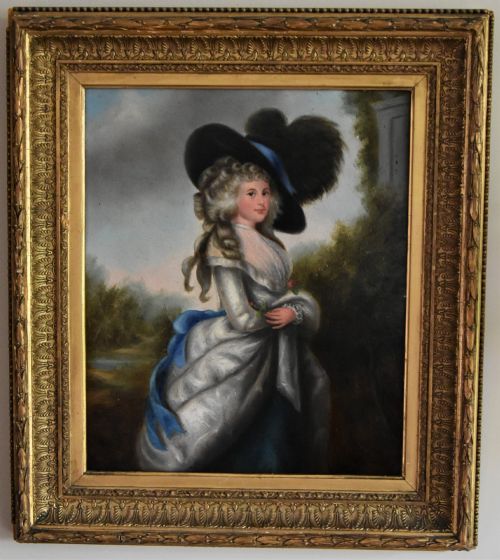
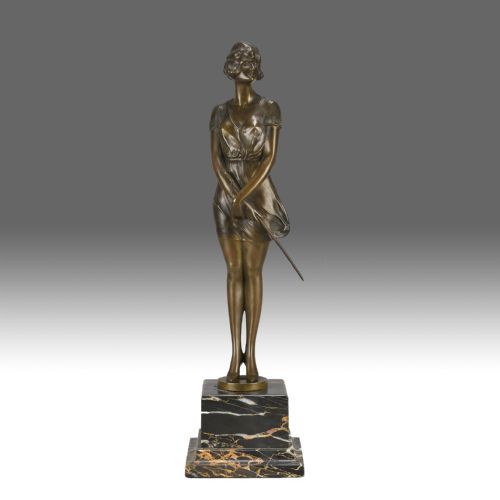
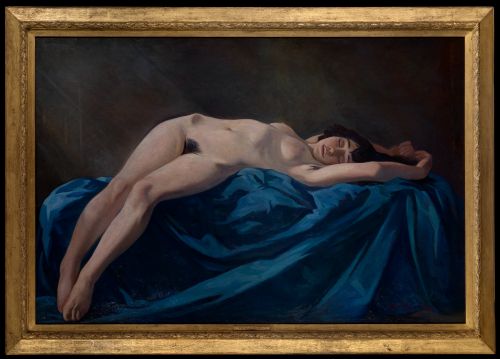
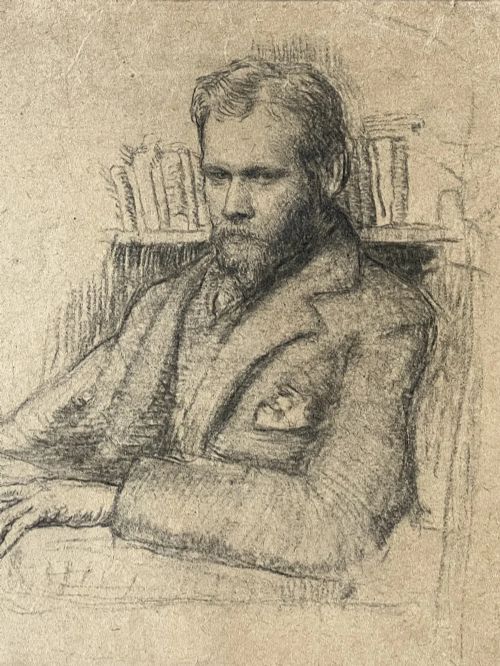
The selections here span from Victorian roots into early twentieth century and Art Deco interpretations. Buyers encounter oil paintings, charcoal sketches, pencil portraits and bronze sculptures that document sitters and models with striking directness.
While many examples originate from the Edwardian period itself, associated pieces stretch from the nineteenth century into the nineteen twenties. This variety allows collectors to trace how artists rendered anatomy and character across different decades.
Materials and construction
Artists relied on traditional supports such as canvas, paper, wood panels and board for their paintings and drawings. Graphite, charcoal and oil paints provided the necessary range for capturing tone, shadow and precise anatomical detail.
Sculptural and decorative works utilise bronze, soapstone, brass and carved wood, including walnut and black forest timber. These durable materials allowed makers to shape detailed figures, bookends and desk accessories with lasting structural integrity.
Edwardian Figure Study Retail Price Guide 2026
Typical asking prices for edwardian figure study among the pieces listed under this phrase on Sellingantiques today, from the lower quarter to the upper quarter. They describe what is for sale here now, not the wider market.
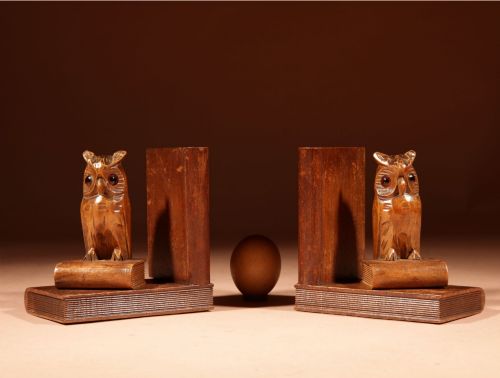
An amusing pair of carved owls keeps watch over the desk space alongside classical nudes.
Assessing quality and execution
Quality rests upon the sureness of the hand and the accuracy of proportion in capturing the subject. Finer works demonstrate a confident mastery of line and tone, whether executed in rapid charcoal strokes or meticulous oil paint.
The choice and preparation of materials also distinguish superior pieces. Well preserved paper, rich pigments and high grade timber or bronze elevation signify works that received serious artistic attention from their makers.
Bruno Zach·Eric Robertson·Augustus John·Allan Douglas Davidson·James Clark·Winifred Eugene Ballard·Francis Dodd·Cecil CP Lawson
The Edwardian Figure Study Glossary
- Academic art
- A style of painting and sculpture produced under the influence of European academies of art. It follows strict rules of proportion, composition and subject matter.
- Life study
- A drawing, painting or sculpture of the human figure taken from a live model. These exercises formed the cornerstone of traditional artistic training.
- Graphite
- A form of crystalline carbon used as a drawing medium in pencils. It allows for subtle tonal gradations and sharp linear detail.
- Charcoal
- A dry drawing medium made from finely ground organic matter heated without oxygen. Artists prize it for deep blacks and expressive, smudged lines.
- Oil on canvas
- A painting technique using pigments suspended in a drying oil applied to stretched fabric. This method permits rich colour blending and lasting durability.
Edwardian Figure Study: Frequently Asked Questions
What defines an edwardian figure study?
These works focus on the human form, often created as part of academic training or portrait commissions during the early twentieth century. They showcase the technical skill required to render anatomy accurately.
They appear in various mediums, from quick pencil sketches to finished oil paintings and bronze sculptures.
Where should I hang a figure drawing?
Select a spot with controlled lighting to protect delicate paper and pigments from direct sunlight. Framing with conservation glass helps preserve charcoal and graphite works.
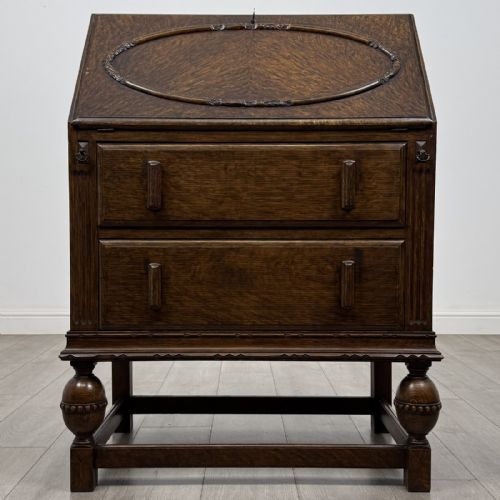
Pair them with traditional furniture to complement their historical character.
How do I date a figure study?
Examine the clothing, hairstyle and artistic style of the subject alongside any signatures or inscriptions. Framing methods and materials also offer clues to the decade of creation.
Comparative study with dated works by the same school helps narrow the timeline.
Are these pieces original works?
The selection includes one of a kind drawings, paintings and unique sculptures alongside period prints. Each piece represents an individual creation by an artist or maker.
Signatures and exhibition labels often confirm their authenticity and origin.