



Edwardian Faux Bamboo
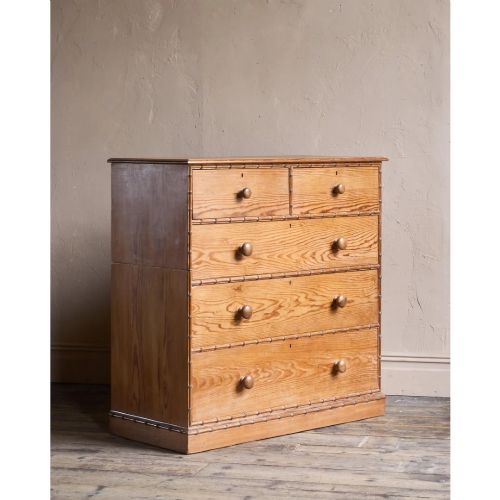
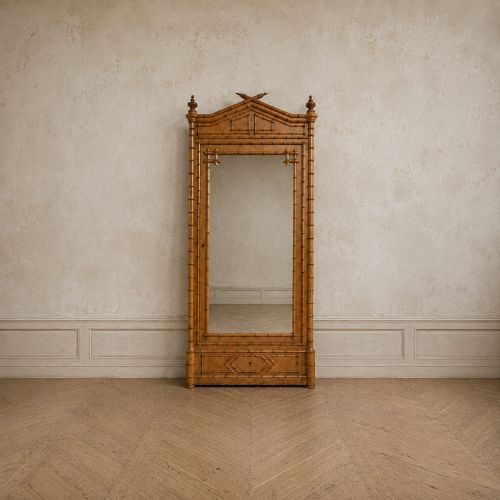
Edwardian faux bamboo pieces bring clever imitation and worldly charm into a room, offering the look of exotic cane carved from solid timber.
Edwardian Faux Bamboo
When you search for edwardian faux bamboo, you encounter furniture and decorative items that mimic natural cane through skilled woodworking. These pieces often draw on Victorian aesthetic movement designs, Japonisme, and Chinoiserie traditions.
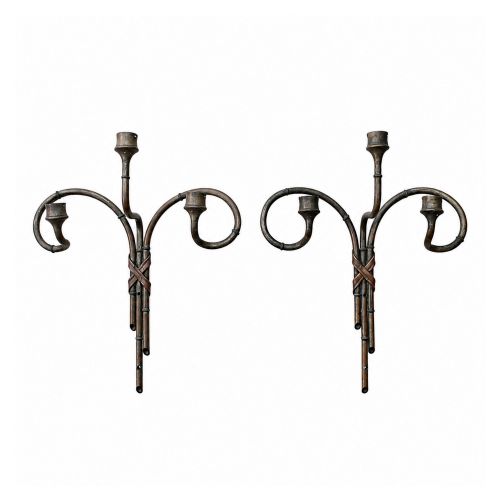
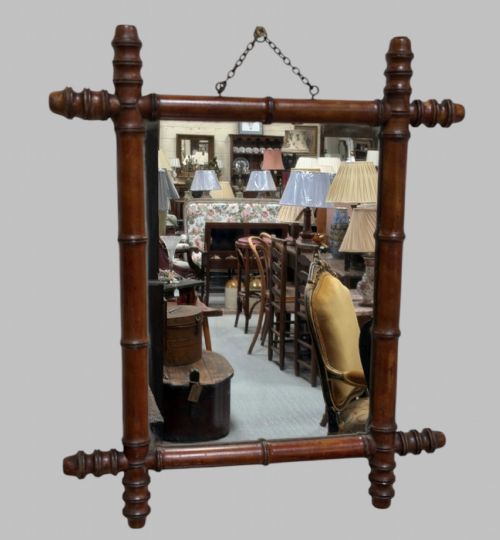
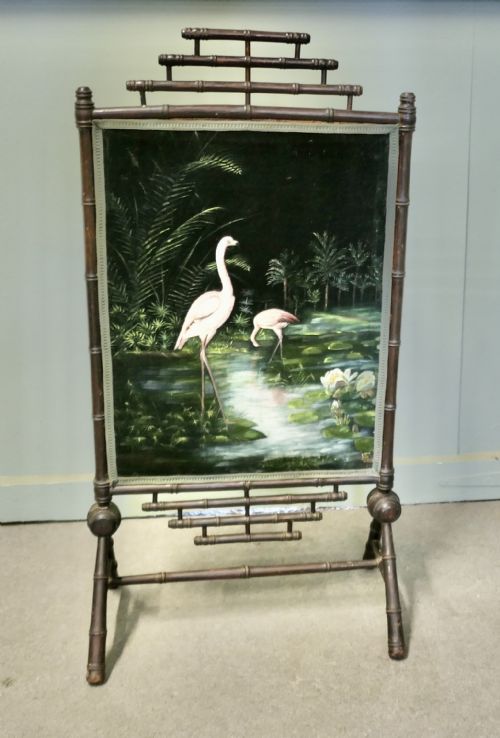
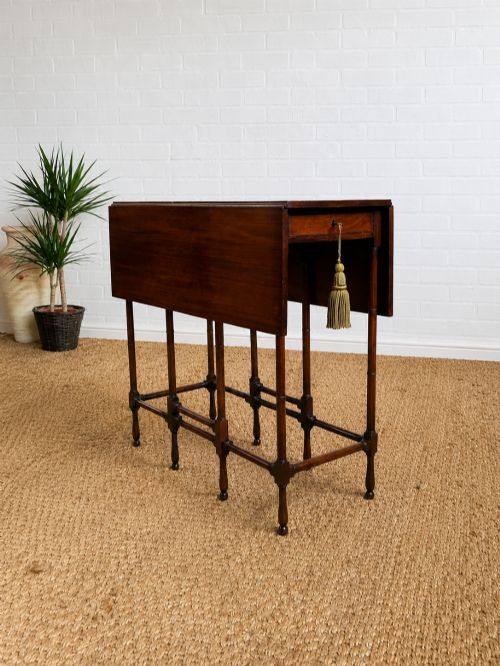
The selections on this page span side tables, wall mirrors, fire screens, and armoires. Solid mahogany, maple, and painted woods frequently form the core structures of these items.
Makers adapted these Eastern-inspired forms for British and European homes around the turn of the twentieth century. The resulting items blend functional utility with distinct decorative flair.
What varies in quality
The precision of the wood-turning defines the initial tier of quality, as superior pieces show realistic joint nodes and smooth contours. Less accomplished examples display stiffer turning and heavier, less convincing proportions.
Surface decoration also dictates the distinction between standard and exceptional pieces. Hand-painted lacquerwork and gilt details require greater skill than simple monochrome painted finishes.
Edwardian Faux Bamboo Retail Price Guide 2026
Typical asking prices for edwardian faux bamboo among the pieces listed under this phrase on Sellingantiques today, from the lower quarter to the upper quarter. They describe what is for sale here now, not the wider market.
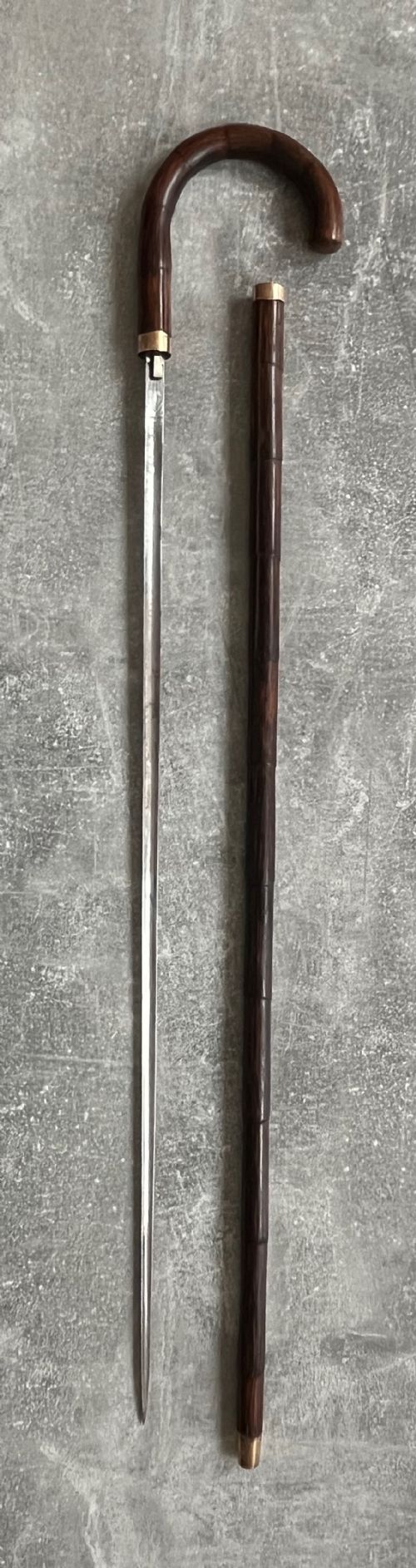
Some faux bamboo walking sticks cleverly conceal sharp Toledo blades inside their deceptive turned wooden stems.
Howard and Sons·Ah Hee Studio
The Edwardian Faux Bamboo Glossary
- Faux bamboo
- Wood turned and painted to resemble natural cane. This technique became popular during the nineteenth and early twentieth centuries.
- Japonisme
- The study and influence of Japanese art and aesthetics on Western design. It heavily inspired the use of bamboo-turned furniture.
- Chinoiserie
- European artistic interpretations of Chinese and East Asian artistic traditions. It often appears alongside painted lacquer surfaces.
- Drop-leaf table
- A table with hinged leaves that fold down to save space. These appear frequently in Edwardian side table designs.
Edwardian Faux Bamboo: Frequently Asked Questions
How do I spot real faux bamboo?
Examine the material closely to check if the underlying substance is solid wood rather than cast resin or modern composite. Genuine older pieces display hand-turned nodes that vary slightly rather than repetitive machine stamping.
Look at the painted or lacquered surface for natural wear patterns and age crackle. Authentic items will show patination consistent with decades of gentle use.
Are these pieces fragile?
Most items are constructed from sturdy timbers like mahogany or maple, making them robust enough for daily domestic use. The turned wooden joints hold up well if the furniture is kept away from damp conditions.
Take care with lacquered or painted surfaces by avoiding harsh modern cleaning chemicals. Gentle dusting preserves the decorative finish over time.
Where did this style originate?
The aesthetic grew from nineteenth-century fascination with Eastern trade goods, particularly items imported from China and Japan. British and French cabinetmakers adopted these exotic motifs to satisfy domestic demand for novelty.
Design movements like the Victorian Aesthetic Movement and Japonisme popularised the look across Europe. Edwardian workshops continued producing these items with refined proportions.