




Edwardian Elm Armchairs
Edwardian elm armchairs are sturdy vernacular seating pieces built for everyday utility, offering robust timber construction and generous proportions for country house interiors.
Edwardian Elm Armchairs
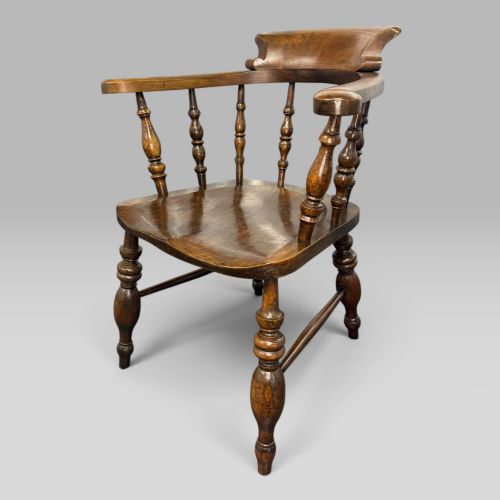
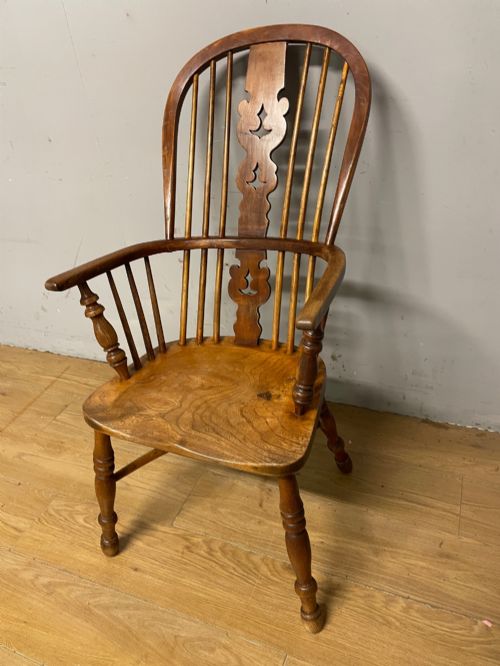
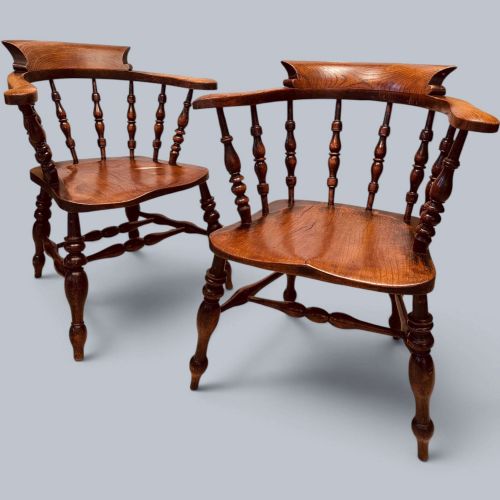
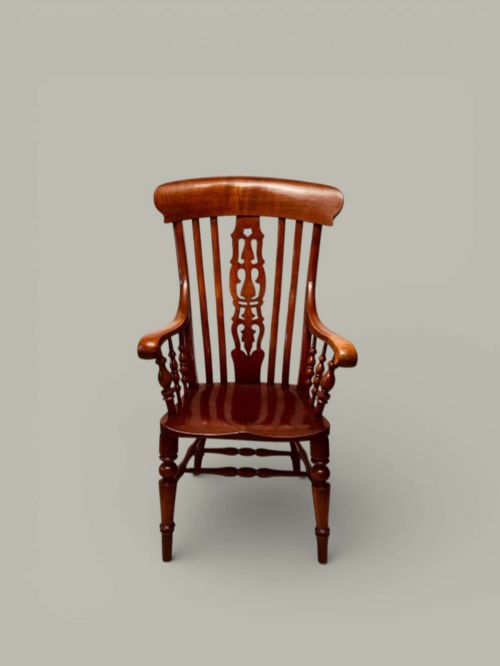
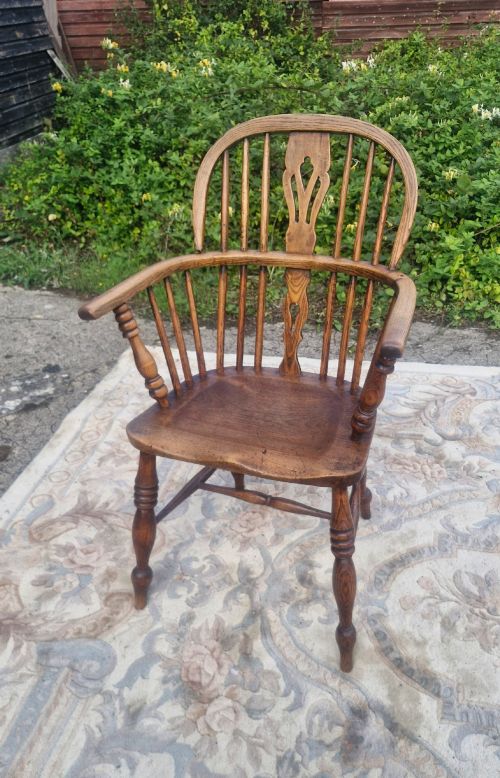
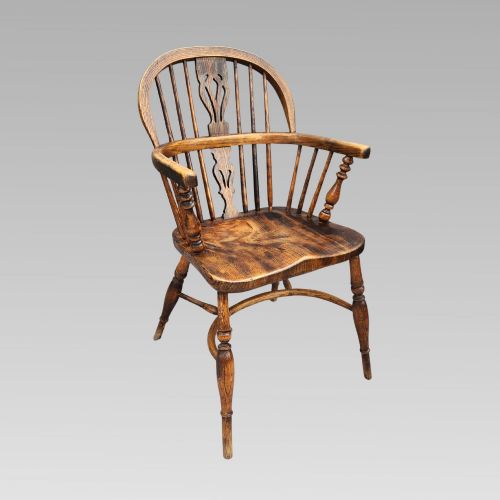
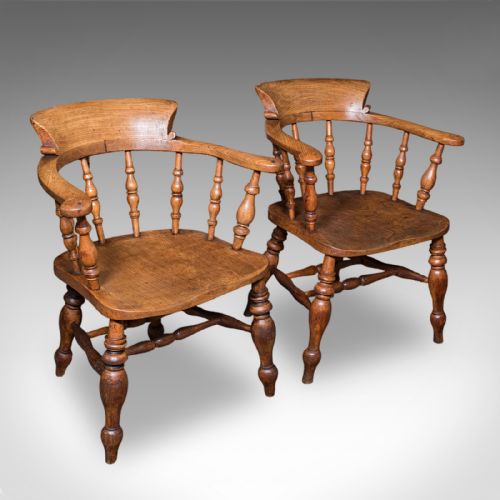
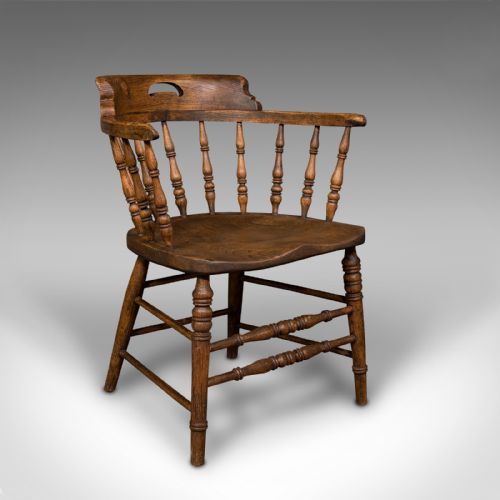
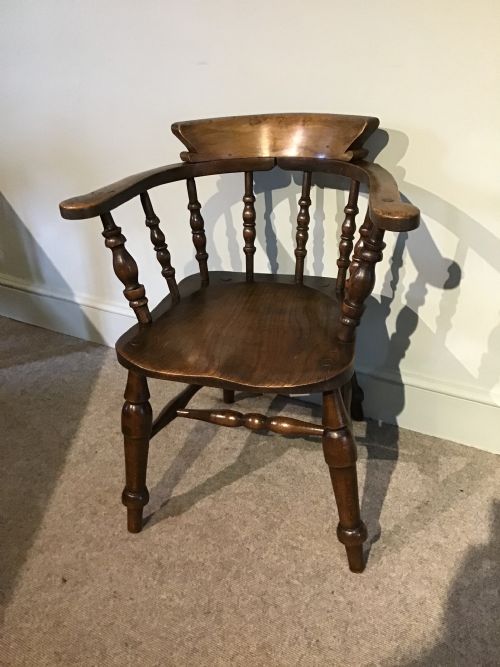
Edwardian elm armchairs represent a continuation of robust English country vernacular seating traditions, spanning styles from Victorian and Edwardian periods down to nineteen-ten. Buyers seeking this phrase typically encounter Windsor armchairs, captain's chairs, and smoker's bows, alongside matching sets of kitchen dining chairs.
The dominant forms on this page feature solid timber construction with bow backs, spindle backs, and low backs designed for functional comfort. While some examples date from the nineteenth century and the Victorian era, the core selection bridges late nineteenth-century cabinetmaking and early twentieth-century domestic production.
Construction relies heavily on traditional English hardwoods, frequently combining elm seats with beech, ash, or oak components. These armchairs function well in both traditional country house settings and contemporary spaces requiring tactile wooden seating.
How they were made
Makers constructed these chairs using a combination of solid elm for the saddle seats and turned beech, ash, or oak for the spindles, legs, and bows. Elm provided the necessary grain toughness to resist splitting under the stress of daily use, particularly in shaped seats.
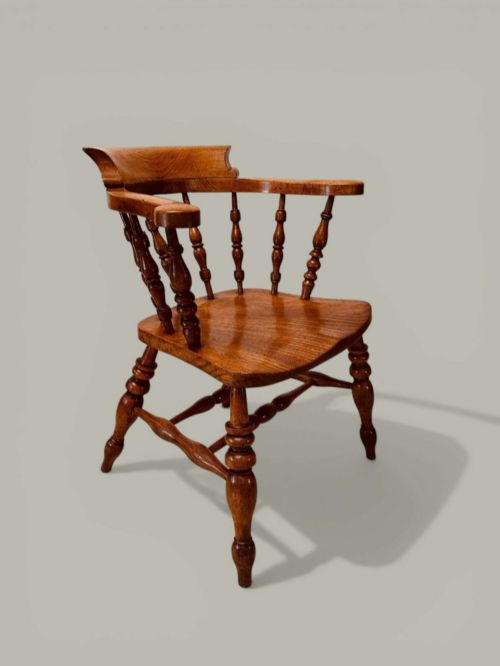
Joinery methods relied on traditional woodturning and wedged tenon joints to secure the uprights and legs directly into the thick wooden seat blocks. Steam bending shaped the continuous wooden bows and armrests found on captain's chairs and smoker's bows.
Edwardian Elm Armchairs Retail Price Guide 2026
Typical asking prices for edwardian elm armchairs among the pieces listed under this phrase on Sellingantiques today, from the lower quarter to the upper quarter. They describe what is for sale here now, not the wider market.
Listings span the Victorian era, nineteen hundred, and nineteen-ten, recording armchairs and dining chairs built from elm, beech, oak, and ash.
What varies in quality
Quality in these vernacular pieces rests upon the figuring and thickness of the elm seat plank, together with the crispness of the spindle turnings. Heavier, deeply sculpted seats indicate superior timber selection and more accomplished carpentry.
The integrity of the frame relies on the tightness of the original joints and the choice of secondary woods like ash or oak for the structural underframe. Matching sets command distinct interest due to the difficulty of keeping eight vernacular chairs together over a century.
The Edwardian Elm Armchairs Glossary
- Smoker's bow
- A low-backed wooden armchair with a continuous curved armrail supported by turned spindles, closely related to the captain's chair. These forms were common in Victorian and Edwardian libraries and smoking rooms.
- Windsor chair
- A chair built with a solid wooden seat into which the legs and back spindles are directly inserted. The back typically incorporates a central splat or radiating spindles within a bentwood bow.
- Captain's chair
- A sturdy low-backed armchair designed for office or domestic use, featuring a rounded wooden top rail supported by short spindles. They often utilise ash or beech for the turned underframe.
- Vernacular furniture
- Objects made by local craftsmen following regional traditions rather than formal London pattern books. This category relies on readily available native timbers like elm, ash, and beech.
Edwardian Elm Armchairs: Frequently Asked Questions
What is an elm armchair?
An elm armchair is a traditional wooden seat featuring a solid elm timber base combined with turned spindles and a curved backrest. These pieces originated in English country workshops to provide durable seating for daily domestic use.
Craftsmen selected elm for the seat because its interlocking grain prevented splitting when shaped into a saddle form. The upper sections typically utilised ash or beech for easy turning and steam bending.
Where were smoker's bows used?
Smoker's bows served as sturdy seating in domestic parlours, country houses, and rural commercial spaces throughout the Victorian and Edwardian periods. Their low backs allowed patrons to sit comfortably near firesides or tables.
The robust construction made them suitable for heavy daily handling in public and private spaces alike. Today they function as desk chairs or decorative accents in living areas.
How do I care for antique elm?
Maintaining antique elm requires stable indoor humidity and protection from direct heat sources that can dry out the historic timber. Regular application of traditional beeswax feeds the wood and preserves the surface sheen without building up heavy chemical layers.
Avoid placing these chairs against modern radiators or in damp environments to prevent timber movement and joint loosening. Gentle cleaning with a soft, dry cloth is sufficient for daily maintenance.