



Edwardian Ear Drops
Edwardian ear drops are delicate dangling jewels that bring period grace to the ear, combining fine stones with precious metals.
Edwardian Ear Drops
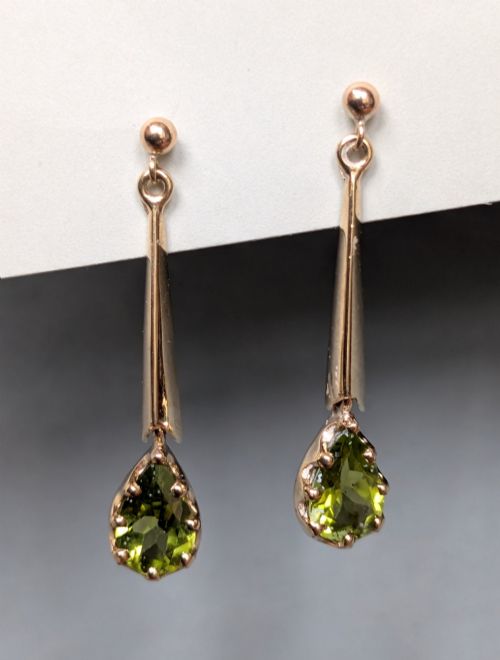
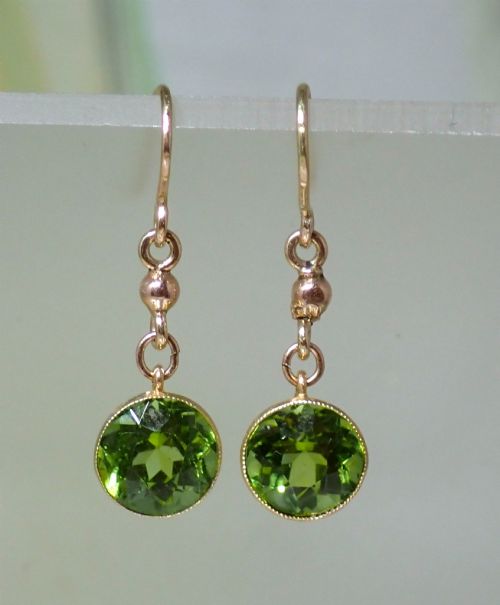
Edwardian ear drops span styles from the late nineteenth century through to the early twentieth century, taking the form of pendant earrings and drop earrings designed for pierced ears. The selection includes delicate drop designs alongside pieces showing Victorian crossover and later Art Deco influences.
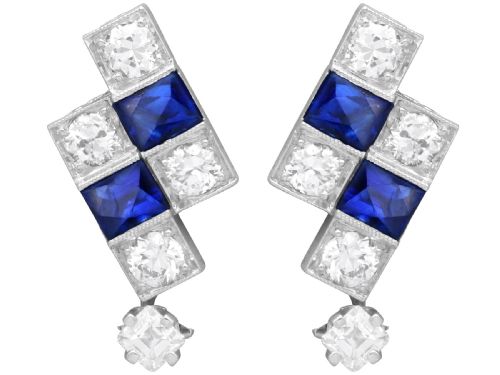
The materials paired in these pieces combine platinum and various gold purities with coloured gemstones and diamonds. Examples range from 15ct gold and 9ct yellow gold settings to platinum mountings set with peridot, aquamarine, sapphire, and old cut diamonds.
How they were made
Craftsmen utilised precious metals such as platinum, silver, and gold standards including 9ct, 15ct, and 18ct to construct secure settings for delicate drops. These metals were shaped into fine wirework, articulated joints, and intricate pierced galleries.
Gems were shaped into cuts suited to drop silhouettes, featuring old cut diamonds alongside peridot, aquamarine, and sapphire. Stones were secured using precision claw settings and millegrain edges that accentuate the sparkle of the dangling stones.
Edwardian Ear Drops Retail Price Guide 2026
Typical asking prices for edwardian ear drops among the pieces listed under this phrase on Sellingantiques today, from the lower quarter to the upper quarter. They describe what is for sale here now, not the wider market.
Listings feature platinum, silver, and various gold purities paired with diamonds, peridots, and aquamarines.
What varies in quality
The distinction between standard examples and the finest pieces rests on the choice of stones and the intricacy of the metalwork. Superior items incorporate substantial old cut diamonds or clean aquamarines paired with finely pierced platinum settings.
Artistic cohesion separates exceptional work from ordinary production, seen in how well the drop articulates and balances against the ear. Balance and weight distribution determine how fluidly the jewel moves when worn.
The Edwardian Ear Drops Glossary
- Old cut
- A diamond cutting style typical of earlier periods, featuring a small table, high crown, and open culet. This cut predates modern brilliant cutting techniques.
- Millegrain
- A jewellery technique involving a row of tiny raised metal beads along the edge of a setting. It creates a soft, textured border characteristic of fine period work.
- Drop earrings
- Earrings designed to hang below the earlobe rather than sit directly against it. They often incorporate articulated sections for gentle movement.
- Platinum
- A dense, durable white metal utilised in fine jewellery manufacture for its strength. It allows for delicate wirework while holding stones securely.
Edwardian Ear Drops: Frequently Asked Questions
Are these earrings for pierced ears?
The pieces featured here are specified for pierced ears, utilising traditional posts, wires, or hooks that pass through the lobe.
Buyers with unpierced ears would need to consult a specialist jeweller regarding conversion options for these specific drop designs.
How do I care for antique drop earrings?
Regular cleaning with a soft cloth removes everyday oils and dust from the intricate platinum or gold settings. Avoid harsh chemical dips, particularly when dealing with softer gems or pearls.
Store each pair separately in a lined box to prevent the dangling drops from tangling or scratching against other items in your collection.
What periods do these earrings represent?
The selections span the Edwardian era, with overlapping influences from late Victorian design and subsequent Art Deco aesthetics. Dates range from the late nineteenth century through the nineteen thirties.
Stylistic markers such as platinum mountings and old cut diamonds help distinguish these specific decades from later mid-century manufacturing.
Can I wear these everyday?
Antique drop earrings require mindful wear due to their delicate construction and age. Reserve them for special occasions to protect the fine metalwork and articulated joints from accidental strain.
Checking the security of the hooks and settings periodically ensures the stones remain firmly anchored during use.