




Edwardian Dressing Tray
These edwardian dressing tray examples bring polished metal and glass to the bedroom table, holding small personal items with distinct period elegance.
Edwardian Dressing Tray
An edwardian dressing tray sits upon a dressing table or vanity, designed to hold brushes, combs, jewellery and small cosmetic containers. These pieces belong primarily to the Edwardian era around the turn of the twentieth century, alongside related items from the Victorian and later periods.
The forms span from small trinket trays and single dishes to larger dressing table sets and serving trays adapted for the bedroom. Materials range from sterling silver and silver plate to cut glass, mahogany, brass and velvet.
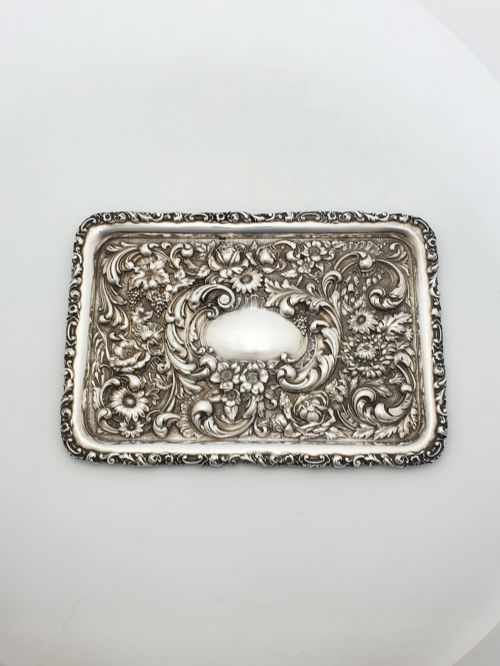
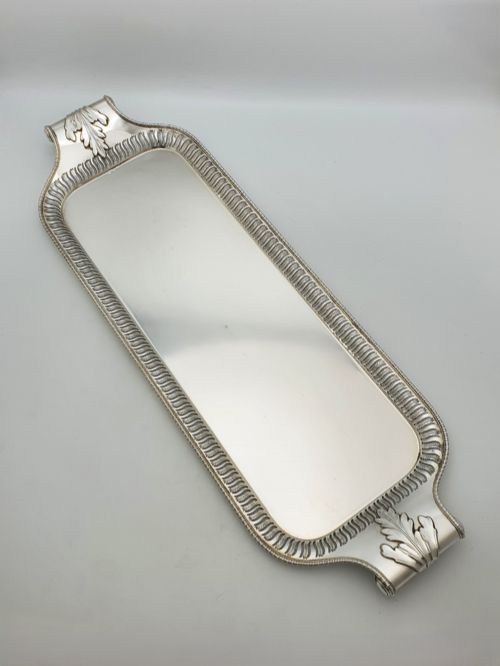
Buyers meet varied styles within this search, including ornate Rococo floral repoussé, Art Nouveau motifs with angels, and simpler pierced metal borders. Ebonised wood and porcelain pieces also appear among the selections on this page.
How they were made
Silversmiths shaped sterling silver and silver plate through techniques such as repoussé, hammering designs from the reverse to create raised floral and figural motifs. Pierced borders were worked by hand or machine to create openwork metal patterns.
Cut glass components were fashioned with deep geometric or star facets to catch the light on the dressing table surface. Wooden items utilised mahogany and ebonised timber, joined with traditional cabinetry methods.
Edwardian Dressing Tray Retail Price Guide 2026
Typical asking prices for edwardian dressing tray among the pieces listed under this phrase on Sellingantiques today, from the lower quarter to the upper quarter. They describe what is for sale here now, not the wider market.
What varies in quality
The depth and crispness of the repoussé work dictate the visual strength of a metal tray, where flat or worn stamping signals lower artistic effort. Heavier gauge sterling silver maintains its structural integrity better over time than thin plating that reveals base metals underneath.
Cut glass quality rests on the clarity of the material and the sharpness of the facet edges, while wooden frames rely on tight joinery and well-preserved surface finishes.
William Comyns Silversmith
The Edwardian Dressing Tray Glossary
- Repoussé
- Metalworking technique where the design is hammered into relief from the reverse side. This creates raised ornamental patterns across the surface of silver trays.
- Sterling silver
- An alloy containing ninety-two point five percent silver by mass, with the remainder usually copper. This standard material is common in finer Edwardian dressing items.
- Silver plate
- A thin layer of silver applied to a base metal such as copper or nickel. It offers the appearance of solid silver at a different cost level.
- Cut glass
- Glass decorated by grinding and polishing facets into the surface. It provides weight and sparkle to dressing table dishes.
Edwardian Dressing Tray: Frequently Asked Questions
What is an edwardian dressing tray used for?
These trays were kept on bedroom dressing tables to corral small personal belongings like hairpins, rings, watches and scent bottles. They kept the tabletop organised while adding a decorative metal or glass accent to the room.
Over time, their practical use shifted toward display, and today they serve equally well on side tables or hallway surfaces for pocket contents.
How do I date an edwardian dressing tray?
Dating relies heavily on hallmarks stamped into silver pieces, which indicate the assay office, standard of metal and exact year of manufacture. Stylistic clues also help, such as flowing Art Nouveau lines or heavy floral repoussé typical of the early nineteen hundreds.
Items made outside of silver, such as wood or glass, require stylistic comparison with known period furniture and tableware designs.
Are these trays made of solid silver?
The materials vary across the selection, encompassing both solid sterling silver and silver plated items over base metals like nickel. Hallmarks on the metal will typically clarify whether the piece is solid sterling or plated.
Other examples incorporate entirely different materials, including cut glass, mahogany wood, brass, velvet and porcelain.
How should I clean a silver dressing tray?
Silver surfaces benefit from gentle cleaning with a specialised silver cloth to remove tarnish without abrading the raised details of repoussé work. Liquid dips should be avoided, particularly on items with velvet inserts or glued glass components.
Wooden and glass sections require separate care, using soft dry cloths for polished wood and mild soapy water for clear glass.