
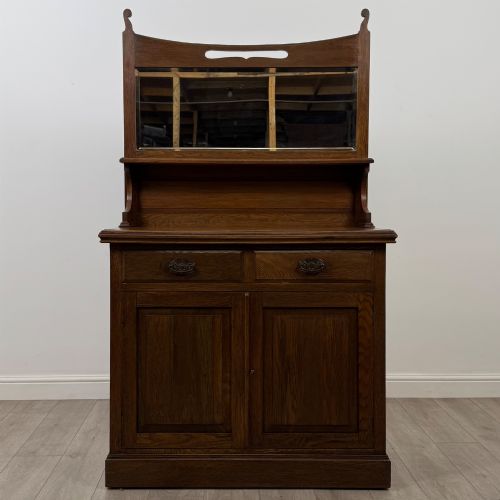
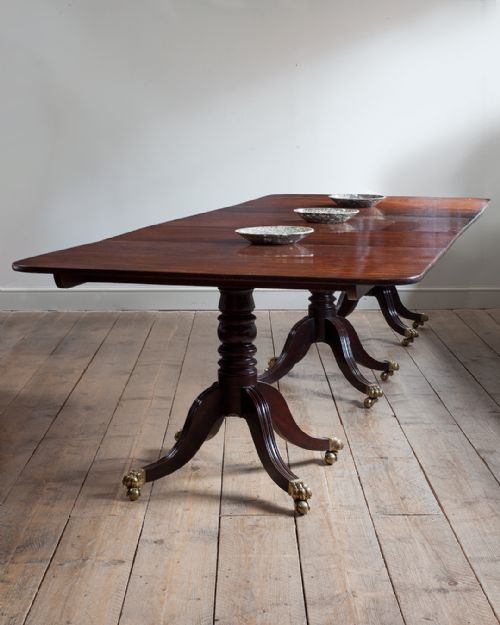
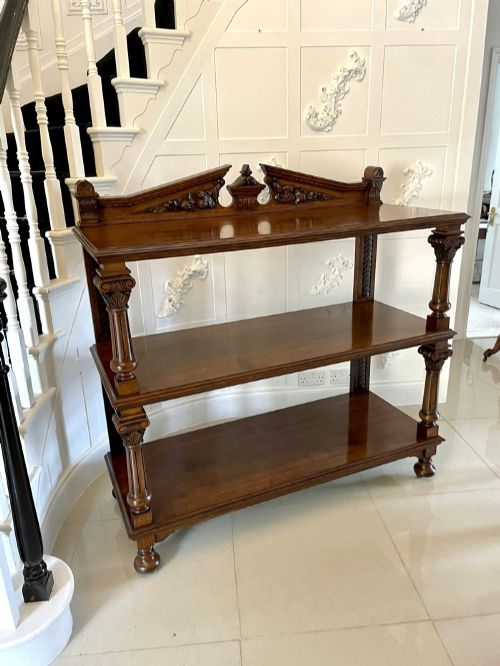
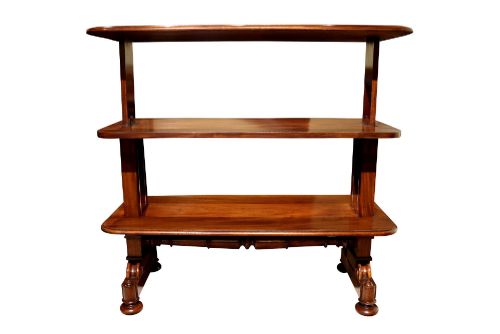
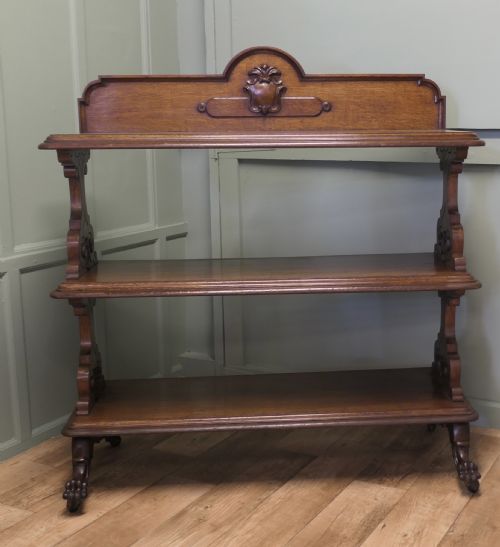
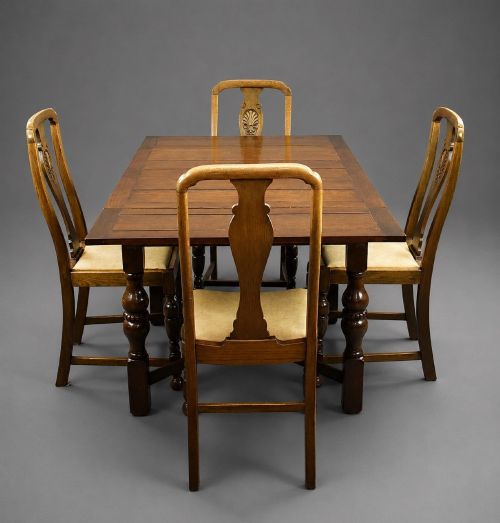
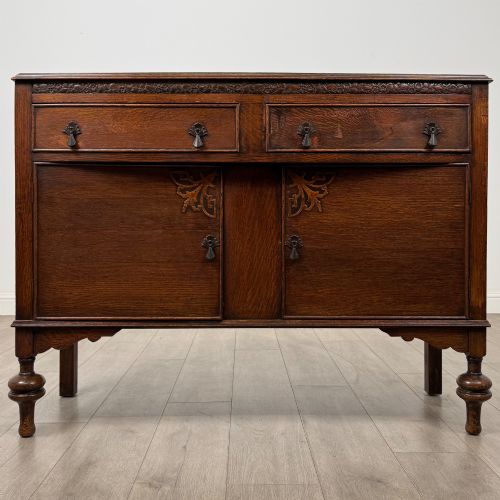
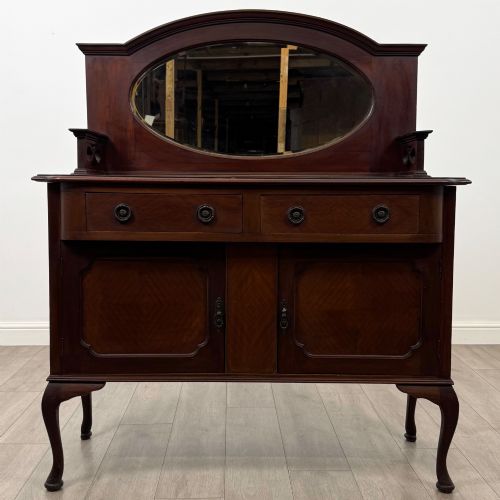
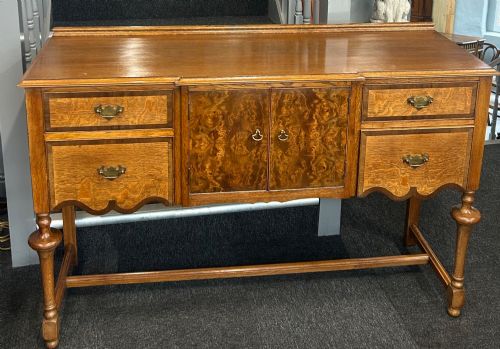
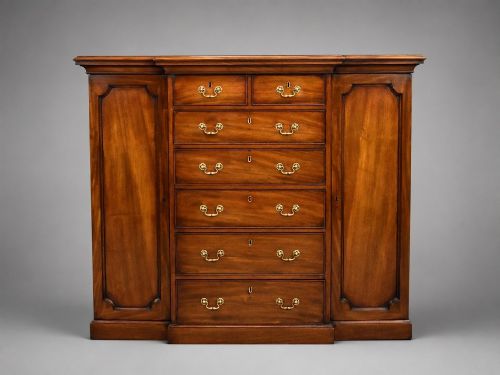
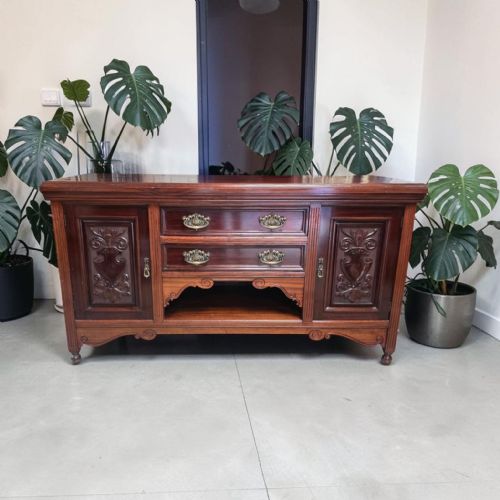
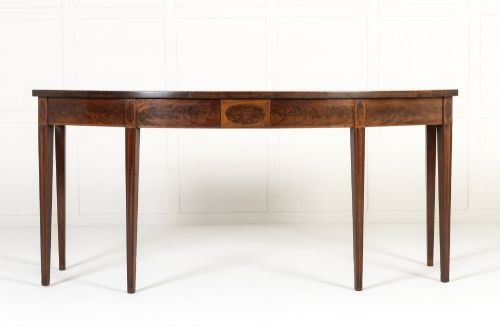
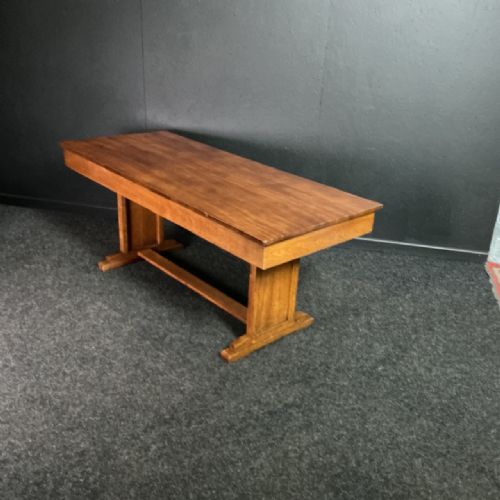
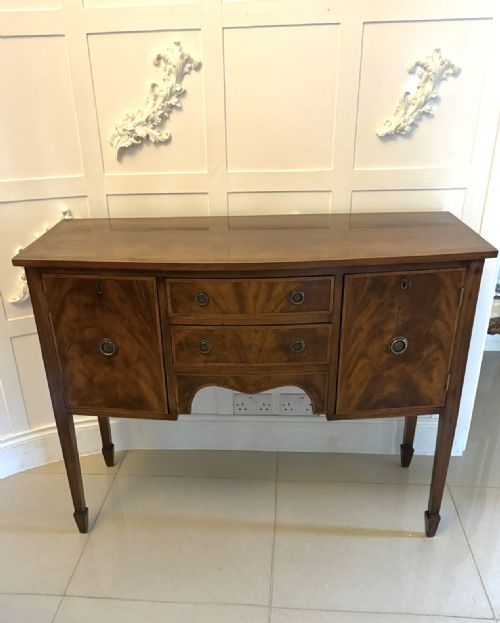
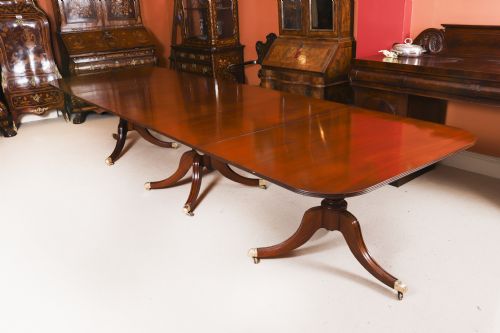

Edwardian Dining Room Table
These edwardian dining room table examples bring solid construction and classic timber grains directly into the modern home.
Edwardian Dining Room Table
An edwardian dining room table brings together robust timber construction and generous proportions suited to family gatherings. The search phrase covers extending dining tables, boardroom pieces, and complete dining sets originating from the period around 1900.
Buyers frequently encounter mahogany and oak constructions spanning the Edwardian era, alongside revival styles that draw upon earlier Georgian and Regency designs. These pieces often feature pedestal bases or extendable leaves designed to accommodate multiple guests.
The selection ranges from large boardroom tables seating up to twenty people down to domestic suites comprising tables and matching chairs. Surviving examples demonstrate the versatility of early twentieth-century dining furniture.
Materials and Technique
Cabinetmakers constructed these dining pieces primarily using solid mahogany, oak, and walnut, often applying flame mahogany veneer to prominent surfaces for added visual depth. Satinwood inlay frequently provides crisp contrast along borders and tabletops.
Extending mechanisms rely on sturdy timber runners and brass fittings that allow leaves to be inserted smoothly. Carved details and turned pedestals demonstrate traditional joinery techniques passed down through generations of makers.
The listings on this page span oak, mahogany, and walnut timbers, with extending dining tables forming the majority of the pieces.
Craftsmanship and Proportion
Quality rests upon the selection of timber and the precision of the veneer work, where book-matched grain patterns demonstrate superior cabinetmaking. The stability of the extending mechanism and the crispness of any inlaid satinwood further separate standard production from finer examples.
Proportion and structural integrity define the higher tier of these dining pieces, ensuring that pedestals and legs bear weight securely while maintaining balanced lines. Original surface patination preserved through careful maintenance also distinguishes better-surviving items.
Whytock and Reid·Maple and Co·Robson and Sons·M D Miller and Sons
The Edwardian Dining Room Table Glossary
- Pedestal
- A central column supporting a tabletop, often found in multi-pillar extending tables. Multiple pedestals provide stability for longer dining surfaces.
- Satinwood Inlay
- Contrasting light timber embedded into a darker wood surface to create decorative borders. This technique highlights the refined aesthetic of Edwardian and revival furniture.
- Draw Leaf
- A clever extension system where leaves tuck neatly beneath the main tabletop when not in use. Pulling them out expands the surface area quickly.
- Veneer
- A thin layer of figured wood applied over a secondary timber base. Flame mahogany veneer creates dramatic flame-like patterns across large surfaces.
- Extending Table
- A dining table designed with a central gap to receive extra leaves. This mechanism adjusts the seating capacity for larger gatherings.
Edwardian Dining Room Table: Frequently Asked Questions
How do I extend the table?
Most extending tables utilise a central runner system that pulls apart to accept additional timber leaves. Brass clips or wooden pins secure the leaves firmly in place once joined.
Ensure the mechanism is clear of debris before operating, and lift the leaves rather than sliding them across unsupported rails to protect the timber joints.
What chairs match these tables?
Dining sets from the period frequently include matching carver chairs with armrests and side chairs upholstered in leather or patterned fabric. The woodwork usually mirrors the timber and style of the main table.
Mixing revival styles requires careful attention to wood tone and leg design to maintain visual harmony around the dining room.
How do I clean the wood surface?
Dust the timber regularly with a soft, dry cloth and treat the surface periodically with traditional beeswax to nourish the polish. Avoid synthetic sprays that leave silicone residues.
Keep tables away from direct heat sources and strong sunlight to prevent the timber from drying out or the polish from fading over time.
How many people will it seat?
Seating capacity varies considerably, from standard domestic tables seating six to eight guests up to large boardroom pieces accommodating twenty. Extending leaves allow hosts to adjust the length as needed.
Measure your dining space carefully to allow sufficient clearance around the table for chairs to pull out comfortably.