




Edwardian Dining Decor
Edwardian dining decor brings character to a table through sterling silver and pewter pieces designed to hold cards, illuminate dishes or rest cutlery.
Edwardian Dining Decor
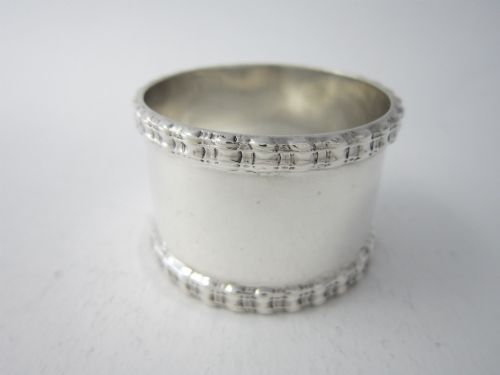
Edwardian dining decor encompasses the table accessories used during formal meals, focusing on small silver and pewter items that served both practical and decorative purposes. When exploring this category, buyers encounter specific tableware enhancements such as menu holders, napkin rings, knife rests and candlesticks.
The selection on this page relies heavily on objects created around the early twentieth century, alongside related pieces from the Victorian and George V eras. These items reflect the elaborate dining rituals of the period, where every element of the table setting received careful attention.
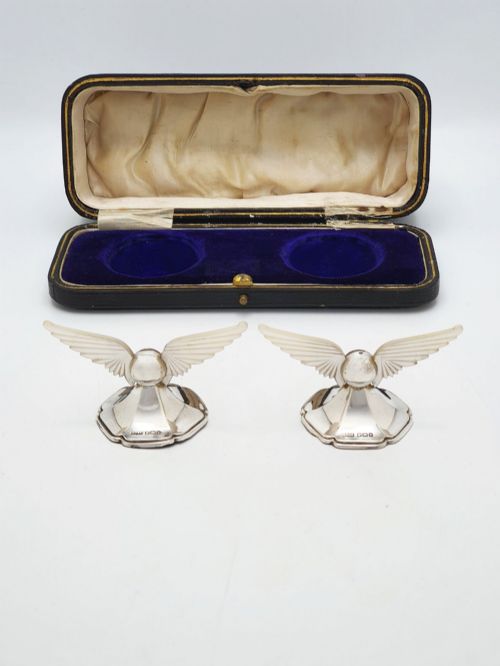
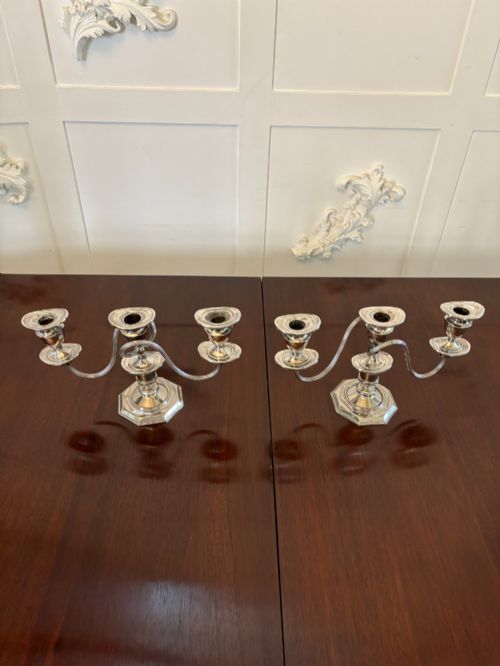
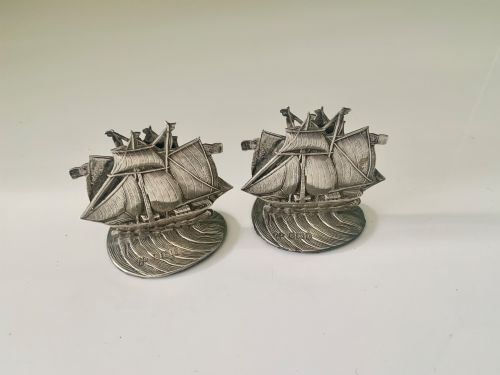
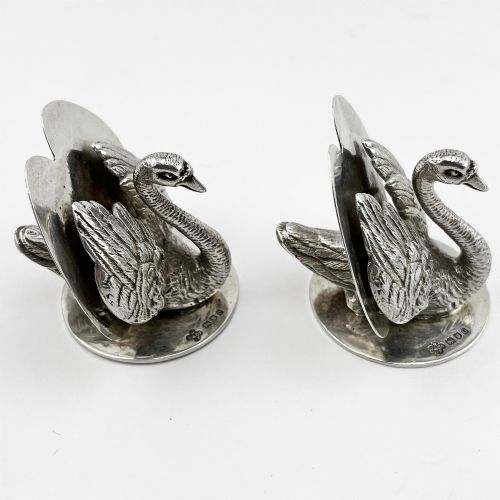
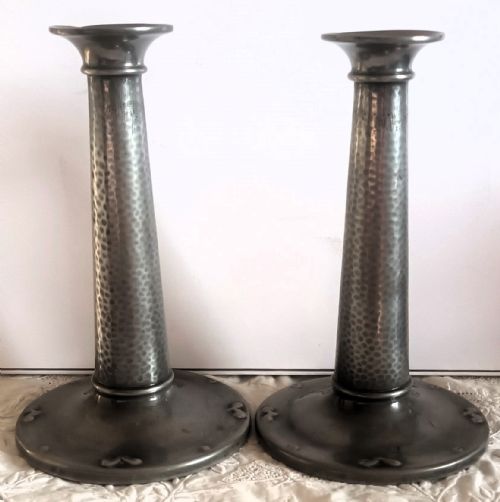
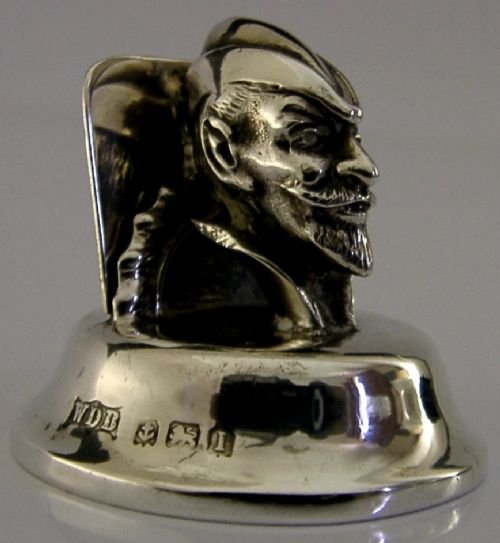
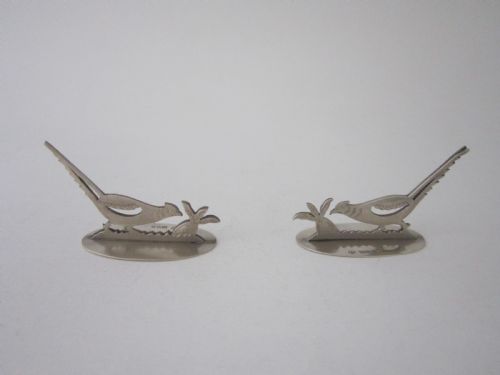
Menu holders and place card holders form a significant part of the available objects, often featuring whimsical or naturalistic subjects like swans, galleons and animals. Alongside these, pairs of candlesticks and candelabras provide the vertical height characteristic of period table arrangements.
Materials and construction methods
Sterling silver and silver plate dominate the material record for these table accessories, offering a bright reflective surface suited to candlelit dining. Pewter also appears, particularly in items influenced by the Arts and Crafts movement, where a softer grey finish and hammered textures take precedence over high polish.
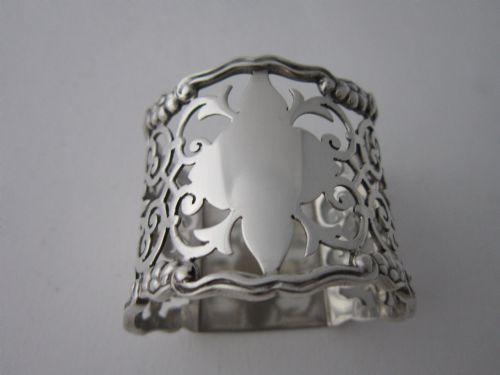
Manufacturing techniques combine traditional silversmithing with specialised casting and piercing work, visible in intricate centrepieces and pierced gallery rims. Subsidiary elements such as velvet or leatherette linings within presentation cases show the attention given to storage and presentation for boxed sets.
Edwardian Dining Decor Retail Price Guide 2026
Typical asking prices for edwardian dining decor among the pieces listed under this phrase on Sellingantiques today, from the lower quarter to the upper quarter. They describe what is for sale here now, not the wider market.
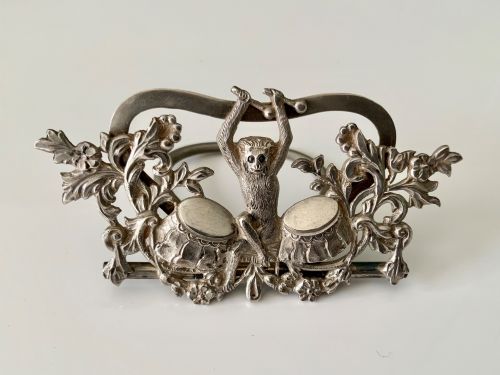
Among the menagerie of silver figures, a monkey playing drums holds up the evening menu.
Distinctions in quality and execution
The presence of clear hallmarks and maker's marks provides a reliable indicator of origin and standard, confirming the workshop provenance. Maker attribution, through recognised names stamped into the base or rim, adds another layer of distinction to standard tableware forms.
Mappin & Webb·Thomas Bradbury & Sons Ltd·James Dixon & Sons·Liberty
The Edwardian Dining Decor Glossary
- Hallmark
- Official stamps applied to precious metals indicating the standard of purity, the assay office and the year of manufacture. These marks offer a secure method for dating silver table accessories.
- Menu holder
- A small desk-like or upright display stand designed to hold printed menu cards on the dining table. They frequently take decorative figural forms related to contemporary interests or wildlife.
- Knife rest
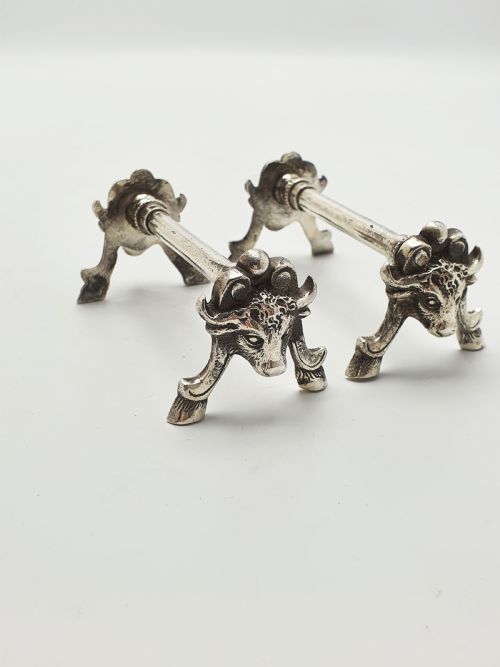
- A low horizontal support placed beside a plate to keep used cutlery elevated above the tablecloth between courses. They are commonly formed from silver plate or mother of pearl.
- Centrepiece
- A large decorative vessel or stand placed in the middle of a dining table as a focal point. Pierced silver examples were often utilised for fruit or floral arrangements.
Edwardian Dining Decor: Frequently Asked Questions
What were menu holders used for?
Menu holders were placed around the dining table so guests could easily read the courses planned for the meal.
They added a decorative touch to formal table settings while serving a practical daily purpose.
How do I care for silver table accessories?
Silver table accessories require gentle cleaning with specialised silver polish to maintain their reflective shine over time.
Storing them in fitted cases or dry environments helps prevent tarnishing when the pieces are not in use.
Can I mix different silver periods on my table?
Mixing pieces from the Edwardian era with late Victorian or George V items creates a layered look.
Similar metal finishes and craftsmanship styles help unify disparate tableware items into a cohesive display.
What is the difference between sterling silver and silver plate?
Sterling silver consists of solid precious metal meeting a regulated standard of purity throughout the entire object.
Silver plate involves a thin layer of silver bonded over a base metal foundation like nickel silver or copper.