




Edwardian Diamond Daisy Ring
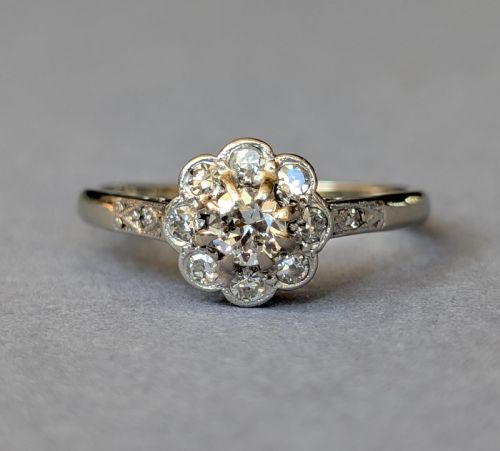
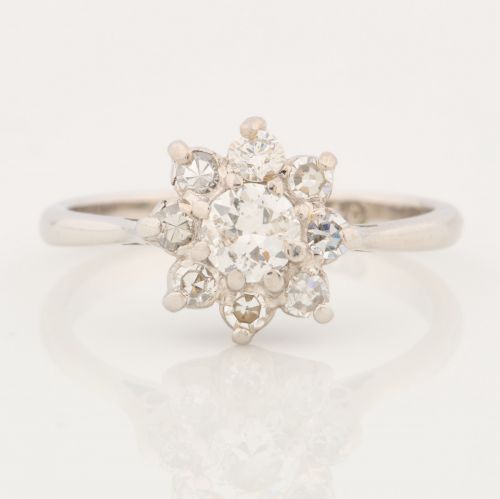
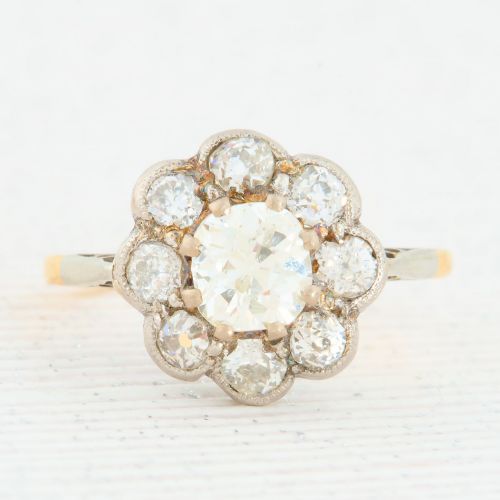
An edwardian diamond daisy ring brings together a central diamond framed by surrounding stones to form a delicate floral motif.
Edwardian Diamond Daisy Ring
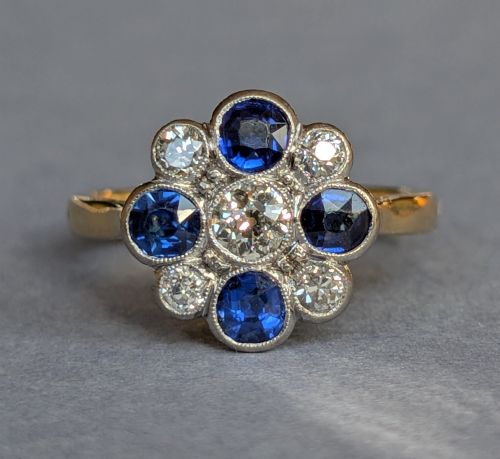
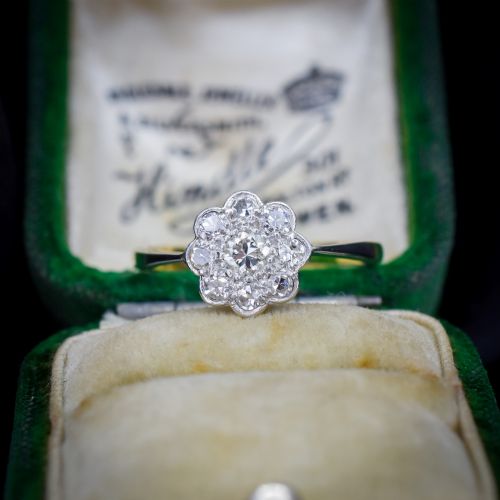
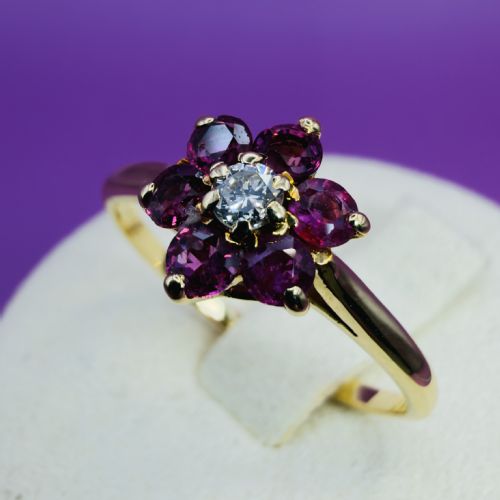
An edwardian diamond daisy ring centres on a floral cluster arrangement, mimicking the petals of a flower with smaller diamonds or coloured gems surrounding a larger focal stone. This selection spans pieces originating predominantly from the Edwardian era, alongside related examples from Victorian, Art Deco and mid-century periods.
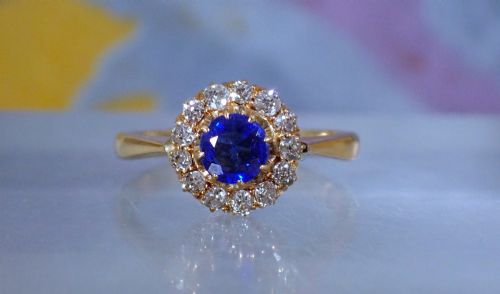
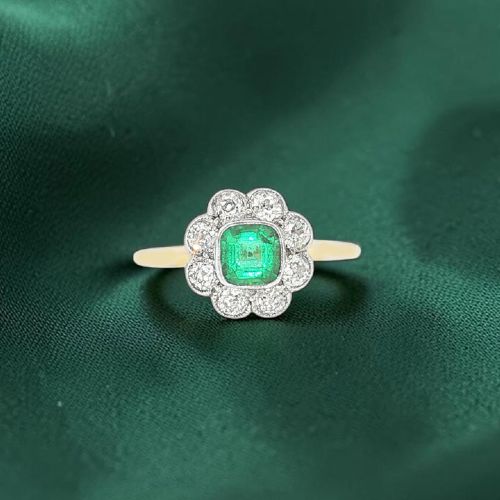
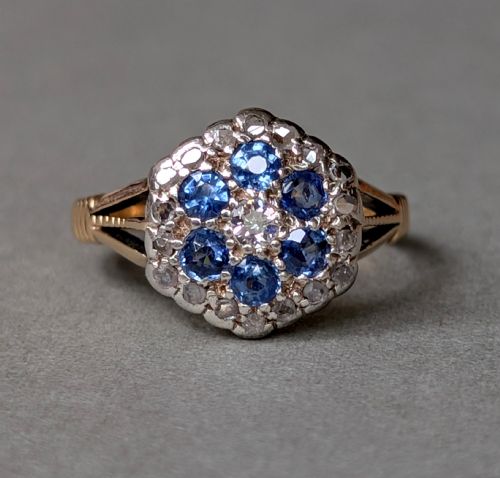
The primary configuration places a central old cut or European cut diamond at the heart, encircled by a tight cluster of matching gems. Many variants incorporate sapphires, rubies, emeralds or pearls within the border, while others maintain a bright all-diamond layout.
The visual weight of these rings relies on low-profile circular or oval cluster heads that sit comfortably against the finger. Buyers encounter these floral motifs mounted on plain gold bands, split shanks or delicate double twist designs.
How they were made
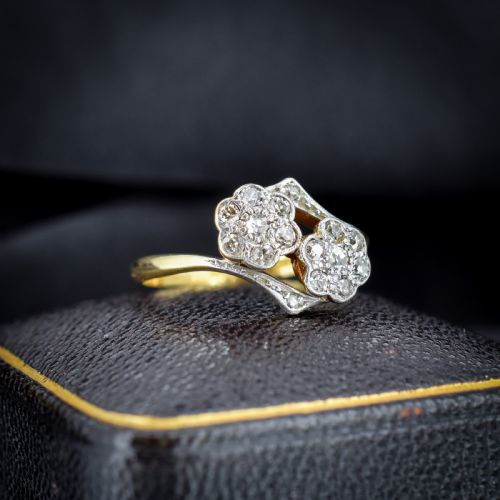
Makers constructed these clusters using a combination of yellow or white 18ct gold for the shank and platinum settings on the face to maximise the white brilliance of the stones. Platinum prong and collet work allowed jewellers to use minimal metal around the diamonds, increasing light entry.
Diamonds within these clusters are predominantly old cut, old European cut or eight-cut stones shaped by hand, giving them open facets and softer scintillation compared to modern brilliant cuts. Gemstones like sapphires, rubies and emeralds were selected to contrast against the bright diamond borders.
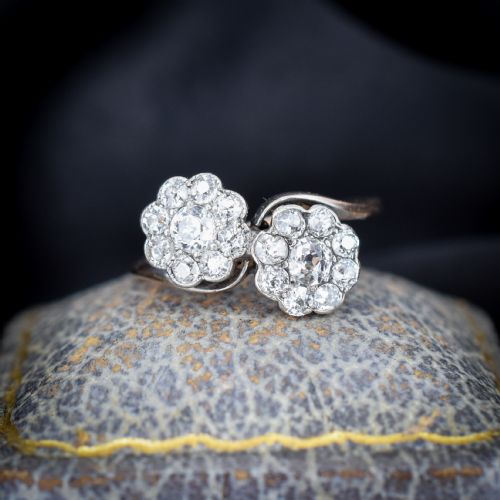
Some floral clusters double their charm by arranging two daisy heads side by side on a single twist band.
What varies in quality
The distinction between standard and superior examples rests upon the matched weight, colour and clarity of the outer petal stones relative to the central diamond. Tightly integrated clusters with minimal gaps between the central stone and the surrounding gems demonstrate higher levels of benchwork.
The preservation of original claw settings and the structural integrity of the delicate gallery work underneath the daisy head determine the longevity and historical intactness of the piece. Subtle details such as hand-engraved shoulders or platinum-topped gold shanks indicate superior workshop origin.
The Edwardian Diamond Daisy Ring Glossary
- Old cut diamond
- A hand-faceted diamond shape popular before the advent of modern brilliant cutting, characterised by a smaller table, higher crown and open culet. These stones catch candlelight and low illumination with a distinct warm glow.
- Daisy cluster
- A ring arrangement featuring a central gemstone encircled by a ring of smaller stones resembling floral petals. This design gained immense popularity during the late nineteenth and early twentieth centuries.
- Platinum-topped
- A construction technique where a thin layer of platinum is fused over an underlying 18ct yellow gold band or setting. This method provided the bright white surface required for diamonds while retaining the strength of gold.
- Toi et motif
- A two-stone ring style translating to you and me, sometimes adapted in this inventory to include double daisy flower clusters side by side. It represents union through paired focal elements.
- Collet setting
- A metal collar that wraps closely around the girdle of a gemstone to hold it securely in place. It forms a clean, continuous border around the stone.
Edwardian Diamond Daisy Ring: Frequently Asked Questions
What defines an Edwardian daisy ring?
An Edwardian daisy ring is characterised by a floral cluster design featuring a central diamond surrounded by a ring of smaller stones. The style typically utilises platinum settings over yellow gold to enhance the sparkle of old cut diamonds.
These rings focus on delicate proportions and intricate gallery work beneath the cluster head. They reflect the refined aesthetic of the early twentieth century jewellery workshops.
How do I care for antique cluster rings?
Careful handling is necessary due to the delicate platinum settings and fine gold claws holding the stones. Regular professional checks ensure the old cut diamonds and surrounding gems remain secure in their mounts.
Removing the ring during heavy manual tasks prevents wear to the delicate split shanks and floral galleries. Gentle cleaning with warm soapy water maintains the brilliance of the stones without harming the antique metal.
Can I wear a daisy ring daily?
Many people wear these antique rings daily as engagement or dress bands, provided the settings are checked regularly by a jeweller. The low profile of the daisy head helps prevent the cluster from catching on clothing.
Consider the thickness of the 18ct gold or platinum band when deciding on everyday wear. Thinner antique shanks may require reinforcement over time if subjected to constant pressure.