






Edwardian Desk Paperweight
An edwardian desk paperweight is a solid piece of metal or stone built to anchor loose letters, and these examples bring weight and utility to a working surface.
Edwardian Desk Paperweight
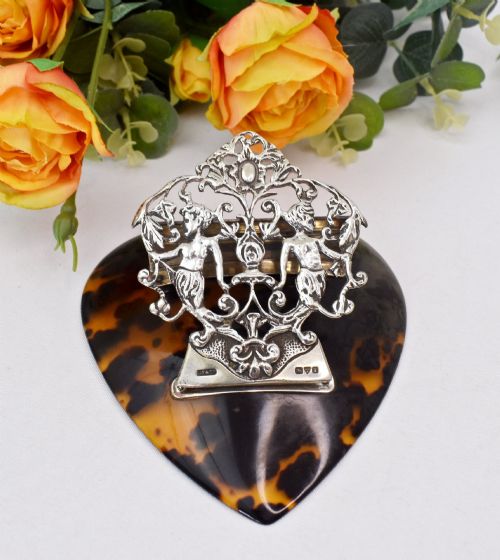
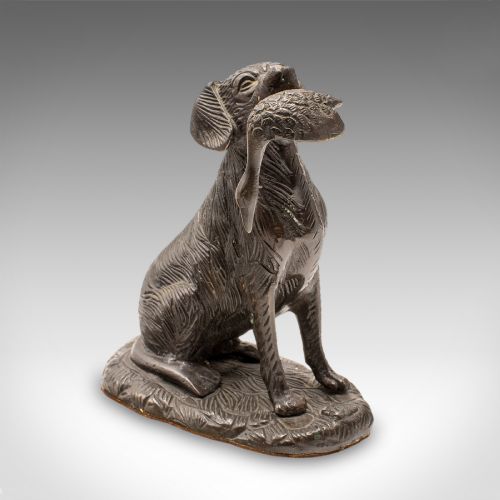
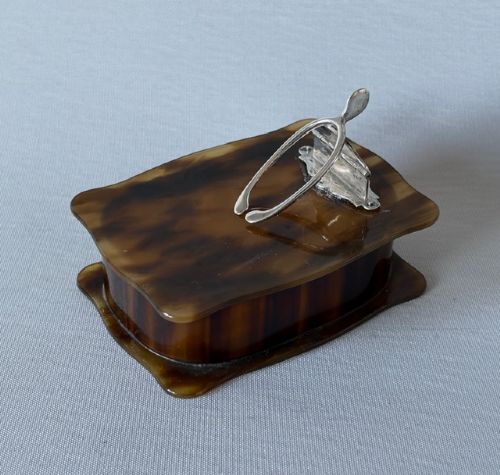
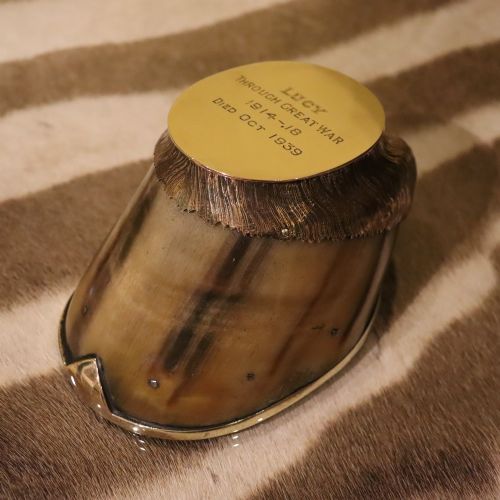
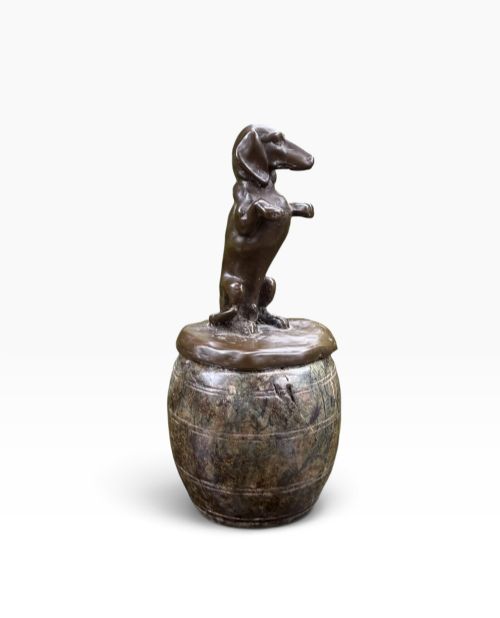
An edwardian desk paperweight is a functional desktop accessory designed to hold loose papers in place, drawing on materials and forms popular during the early twentieth century. When searching for an edwardian desk paperweight, collectors encounter a variety of desk articles ranging from cast metal animals to combined calendar and clip pieces.
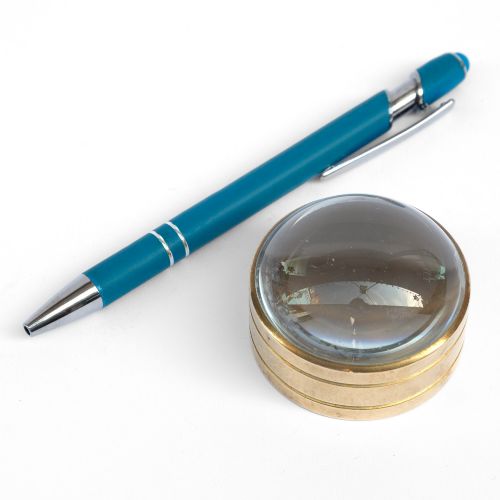
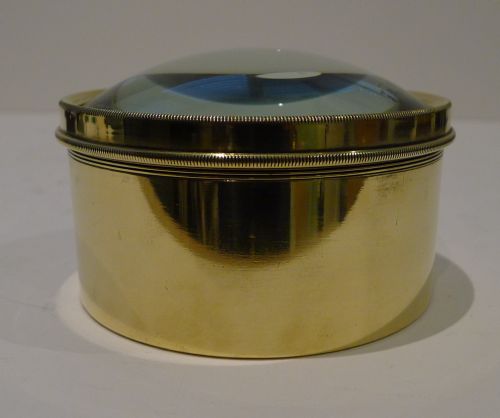
The objects seen here bridge the Victorian era and the later Art Deco period, maintaining a heavy, utilitarian presence on the writing table. Many items combine multiple functions, serving as magnifiers, calendars, or letter clips alongside their primary role as weights.
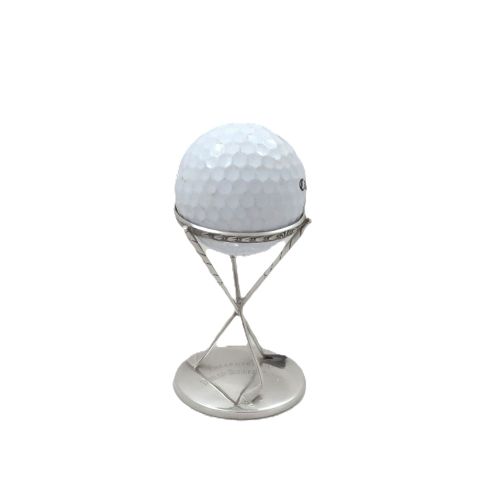
Origins span standard English domestic work to continental animal bronzes, reflecting the tastes of writing rooms from the opening decades of the twentieth century. These pieces appear in brass, sterling silver, bronze, and stone, capturing the solid craftsmanship expected of the period.
Materials and construction
Metals form the core of these items, utilising heavy cast brass, bronze, and sterling silver to provide the necessary downward force for holding paper. Cold painting techniques add colour to figurative bronze and spelter animal studies, while glass provides transparency for magnifying lenses.
Edwardian Desk Paperweight Retail Price Guide 2026
Typical asking prices for edwardian desk paperweight among the pieces listed under this phrase on Sellingantiques today, from the lower quarter to the upper quarter. They describe what is for sale here now, not the wider market.
Nodding dogs made of cold painted spelter offer a whimsical desktop distraction for early twentieth century letter writers.
Markers of quality
The distinction between standard utility items and finer pieces lies in the crispness of the casting and the depth of hand-finishing on metal figures. Superior items display clean chased details in bronze or brass and secure integration where stones like onyx meet silver mounts.
Complexity of function separates basic weights from higher tier accessories that incorporate working mechanisms like perpetual calendars, spring clips, or magnifying glasses. Material weight and the density of the chosen stone or metal dictate the tactile substance of the piece.
Minton Hollins
The Edwardian Desk Paperweight Glossary
- Cold painted
- Bronze or spelter sculpture decorated with paint applied without heat, which remains vulnerable to flaking over time. Collectors look for remnants of the original palette on animal studies.
- Spelter
- An alloy of zinc and lead used as a cheaper substitute for bronze in decorative figures. It is lighter than bronze and softer to the touch.
- Stirrup clip
- A spring-loaded metal desk clip shaped like an equestrian stirrup. These devices were adapted from riding gear to secure letters on writing tables.
- Perpetual calendar
- A desk accessory with adjustable cards or rollers to display the date for any month. They often incorporate brass frames and stone bases.
Edwardian Desk Paperweight: Frequently Asked Questions
How do I use a desk paperweight?
These heavy objects sit directly on top of loose correspondence, notes, or bills to prevent drafts from scattering them across the room.
Many examples combine this weighting function with clips or magnifying lenses, allowing the owner to secure and read documents simultaneously.
Were these items used in offices?
Writing accessories of this period belonged primarily to domestic studies, libraries, and private offices rather than mass commercial typing pools.
Their decorative animal forms and silver mounts suited private writing desks where presentation mattered as much as utility.
How do I distinguish Edwardian from Victorian pieces?
Edwardian items often lean towards lighter, more restrained proportions or playful novelty animal subjects compared to heavier Victorian gothic designs.
Stylistic crossover remains common as makers continued producing traditional forms into the opening decades of the twentieth century.
What materials are typical for these objects?
Common materials include cast brass, solid bronze, and sterling silver, frequently paired with stone bases like green onyx and marble.
Some pieces incorporate organic elements such as tortoiseshell or glass lenses set into heavy metal frames.