



Edwardian Decorative Lamp
An Edwardian decorative lamp brings period warmth to a room, combining brass, glass and ceramic into a striking functional centrepiece.
Edwardian Decorative Lamp
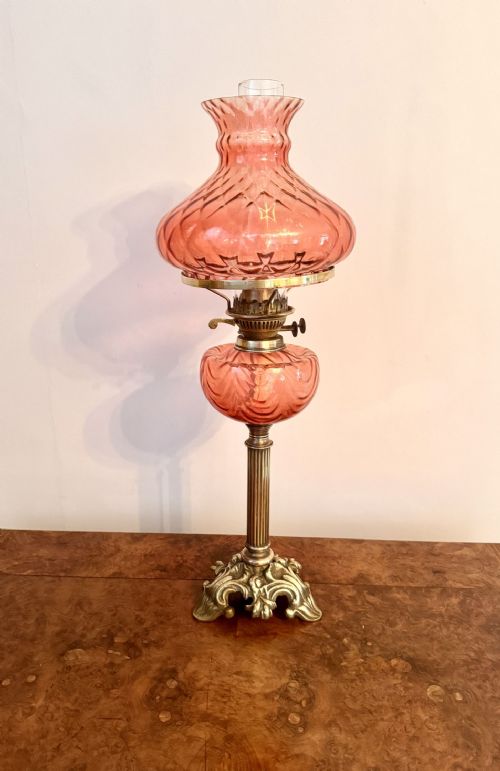
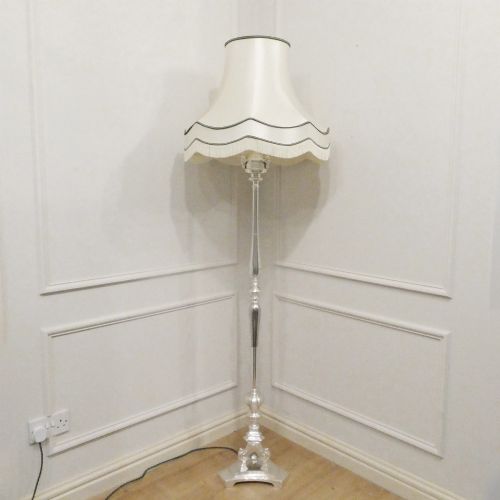
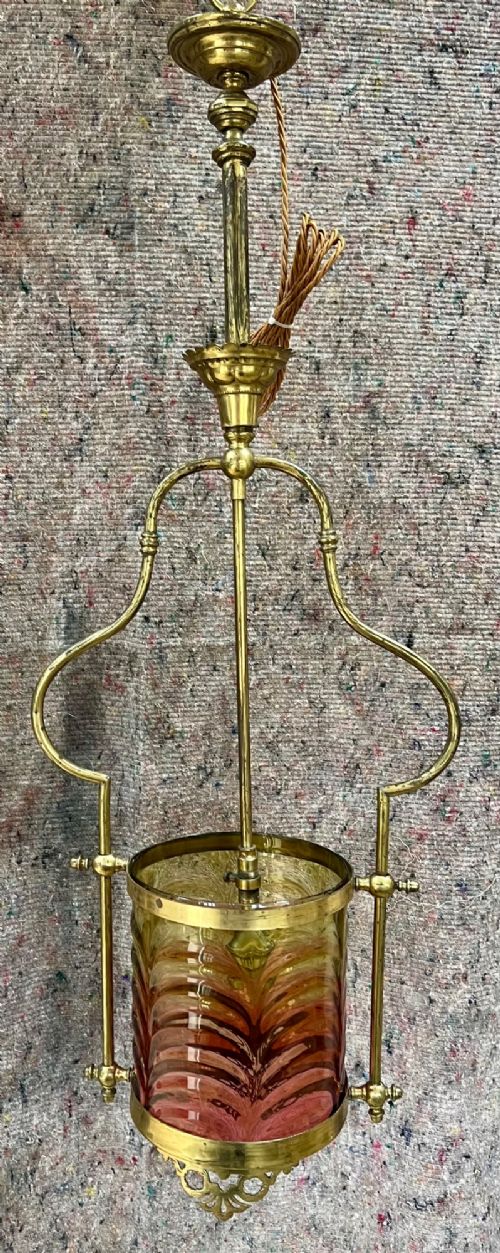
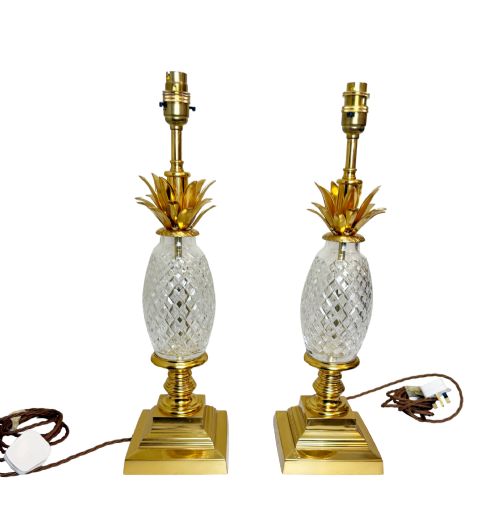
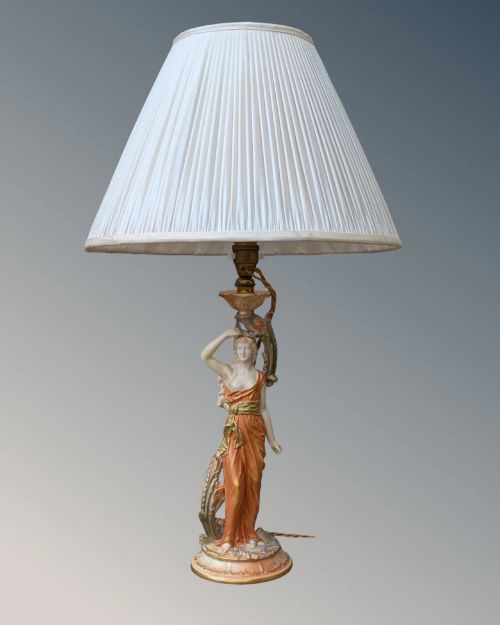
When you search for an edwardian decorative lamp, you encounter a variety of lighting forms designed for domestic interiors around the turn of the twentieth century. Table lamps, floor lamps, oil lamps and hanging lights dominate this selection, frequently utilising brass, bronze and coloured glass.
The pieces on this page span the Edwardian era alongside adjacent Victorian and early twentieth-century periods, reflecting diverse aesthetic influences from Art Nouveau to Neoclassical Revival. Alongside standard lighting, the selection includes occasional tables that often accompany such fittings in period room schemes.
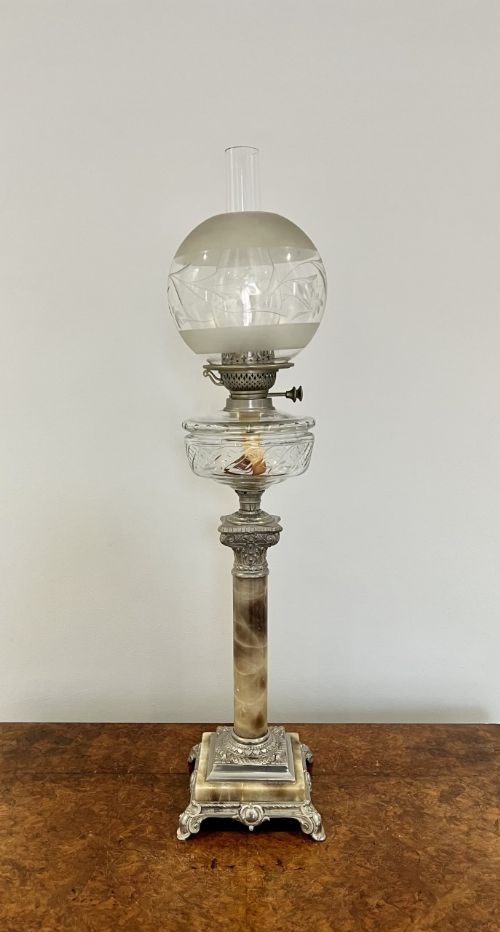
Oil lamps converted to electricity sit alongside original electric fittings and floor-standing standards. These items served both practical illumination and decorative display within the home, a dual purpose that remains central to their appeal for collectors today.
Materials and Construction
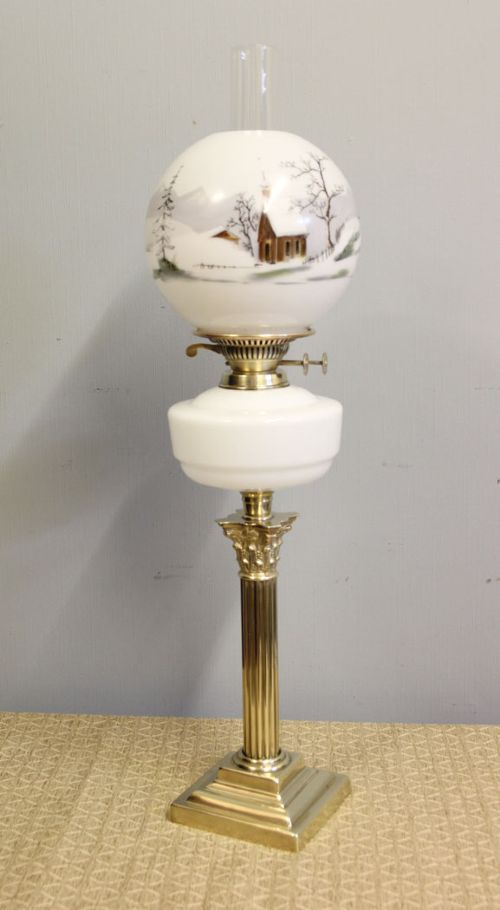
Metalwork forms the structural core of these pieces, with cast brass, copper and gilt bronze providing sturdy columns, bases and wall brackets. Corinthian column designs and telescopic standards demonstrate skilled metal-turning and casting techniques typical of the era.
Edwardian Decorative Lamp Retail Price Guide 2026
Typical asking prices for edwardian decorative lamp among the pieces listed under this phrase on Sellingantiques today, from the lower quarter to the upper quarter. They describe what is for sale here now, not the wider market.
Object forms range from Corinthian column table lamps and spike chandeliers to occasional tables and telescopic standard lamps.
Distinctions in Quality
Quality reveals itself in the crispness of casting detail on brass capitals and bronze mounts, where sharper definition separates finer workshop output from simpler commercial production. The weight and gauge of the metal used in columns and bases also signal superior manufacturing standards.
The integrity of the glass elements, from deeply etched shades to unblemished cranberry fonts and crystal drops, dictates the visual success of the piece. Artisanal painted finishes on porcelain or pottery bowls retain greater depth and subtlety on higher-grade examples.
Georges Leleu·WAS Benson
The Edwardian Decorative Lamp Glossary
- Corinthian Column
- A classical column form featuring ornate acanthus leaf decoration on the capital, frequently utilised for brass table lamps and oil lamps. This architectural style was adapted extensively by Edwardian and Victorian metalworkers.
- Cranberry Glass
- A rich red transparent glass created by adding gold chloride to the molten batch, commonly found in Victorian and Edwardian oil lamp fonts and shade fittings. Its distinctive colour deepens with the thickness of the glass.
- Faience
- A type of tin-glazed earthenware used for decorative lamp bases, offering a smooth surface for hand-painted botanical or abstract designs. It introduces tactile ceramic texture to metal-dominated lighting forms.
- Standard Lamp
- A tall floor-standing lamp designed to illuminate a room from a corner or beside seating, often featuring adjustable telescopic brass stems in Arts and Crafts or Edwardian designs.
- Cabochon
- A convex, polished gemstone or piece of moulded glass without facets, set flush into Art Nouveau bronze lamp bases for decorative emphasis.
Edwardian Decorative Lamp: Frequently Asked Questions
How do I convert an old oil lamp?
Many period oil lamps are adapted for electricity by running a discreet cord through the burner mechanism without altering the exterior brass or glass reservoir.
Working with a specialist electrician ensures the conversion preserves the original fittings while meeting modern safety standards.
Are these lamps safe for daily use?
Most antique lamps require rewiring to comply with contemporary electrical regulations before regular domestic use.
Checking the internal wiring and bulb holders guarantees safe operation while retaining the external period appearance.
How do I identify Art Nouveau styling?
Art Nouveau lighting is characterised by organic motifs, flowing asymmetrical lines and influences from nature such as plant tendrils and insect wings.
Materials like bronze, copper and coloured glass often feature textured cabochons and sinuous botanical forms.
Where should I place a standard lamp?
Floor-standing standard lamps suit corners of reception rooms or beside reading chairs, providing ambient illumination at height.
Telescopic brass versions allow height adjustment to suit different ceiling levels and seating arrangements.