





Edwardian Decor Lighting
Edwardian decor lighting brings period character to a room through practical metal and glass fixtures designed for early twentieth-century interiors.
Edwardian Decor Lighting
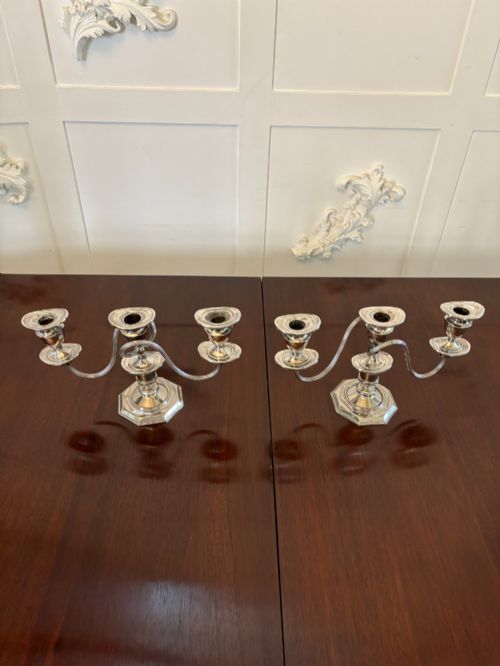
Edwardian decor lighting encompasses functional period fixtures including candlesticks, table lamps, candelabras, and lanterns designed to illuminate domestic spaces. Buyers seeking these items encounter a diverse array of forms originating from the nineteenth century through the nineteen-twenties.
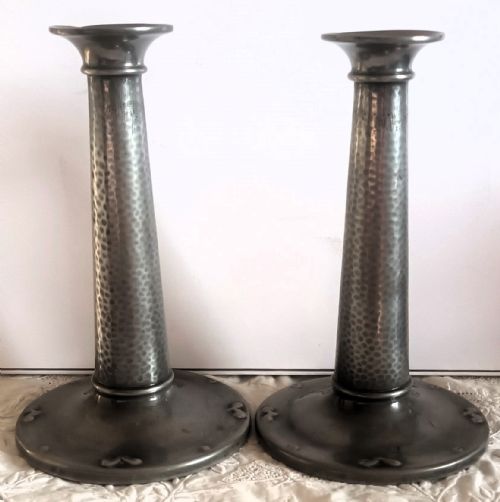
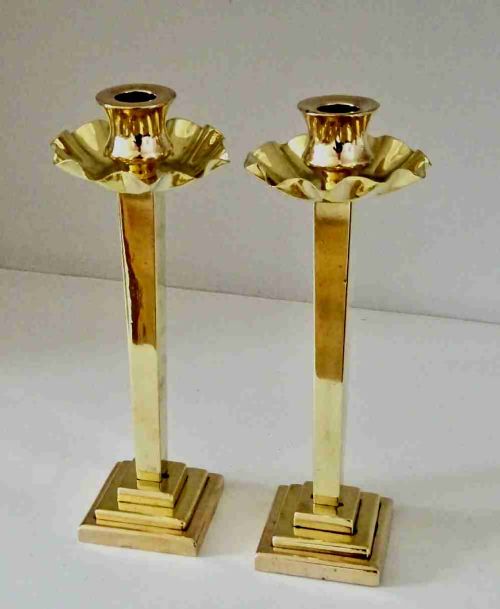
The most common examples on this page are paired candlesticks and lamps rendered in durable metals like brass, pewter, and silver plate. These pieces reflect the domestic habits of households transitioning from candlelight and oil to early electric illumination.
Makers drew on multiple aesthetic movements, producing items that range from strict Victorian utility to the flowing lines of Art Nouveau and the honest construction of the Arts and Crafts style. Oak, glass, and fabric frequently complement the metalwork found across these domestic accessories.
Materials and Construction
Makers utilised cast and turned brass, pewter, and silver plate to form the structural bodies of candlesticks and lamps. Heavier pieces incorporate oak and barley twist timber elements combined with metal fittings.
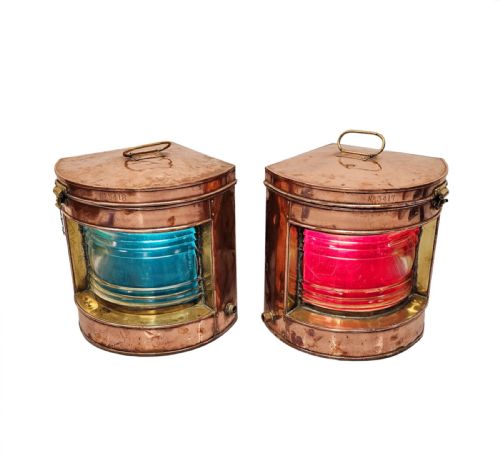
Glass components include cut-glass vessels and spirit dispensing barrels adapted for illumination, while specialised items like ships lanterns combine copper and brass for maritime utility.
Edwardian Decor Lighting Retail Price Guide 2026
Typical asking prices for edwardian decor lighting among the pieces listed under this phrase on Sellingantiques today, from the lower quarter to the upper quarter. They describe what is for sale here now, not the wider market.
Listings span the nineteenth century into the nineteen-twenties, incorporating diverse materials such as pewter, oak, glass, and fabric.
Judging Quality and Craftsmanship
The distinction between standard commercial output and superior craftsmanship rests on the weight of the metal, the crispness of cast details such as animal figures or botanical motifs, and the integrity of applied silver plating.
Artisan-produced items from workshops associated with the Arts and Crafts movement or specific firms display deliberate hand-finishing and thoughtful material combinations that elevate them above mass-produced domestic hardware.
Thomas Bradbury & Sons Ltd·WMF·Royal Doulton
The Edwardian Decor Lighting Glossary
- Candelabra
- A branched candlestick holding multiple candles. These larger table centrepieces provided substantial illumination before widespread electricity.
- Electroplated Nickel Silver
- A base metal alloy coated with a thin layer of silver through an electrolytic process. This technique offered the appearance of solid silver at a lower production cost.
- Barley Twist
- A turning style resembling a spiral rope carved into wooden or metal furniture supports. This decorative form gained popularity in domestic items during the early twentieth century.
- Arts and Crafts
- A design movement valuing traditional craftsmanship and honest materials over industrial mass production. Objects from this tradition often feature simple geometric forms and hand-worked metal surfaces.
Edwardian Decor Lighting: Frequently Asked Questions
What types of Edwardian lighting exist?
The selection includes table lamps, candlesticks, candelabras, and hanging lanterns designed for domestic use. Materials range from brass and pewter to cut glass and oak.
These objects reflect the diverse aesthetic movements of the period, incorporating styles from Art Nouveau curves to sturdy Arts and Crafts construction.
How do I identify an Edwardian piece?
Pieces from this era typically display design characteristics associated with the early twentieth century, such as neoclassical revival motifs or honest metalworking techniques. Maker marks and silver hallmarks can also provide precise chronological attribution.
Material choices like electroplated nickel silver and specific styling cues help distinguish Edwardian items from earlier Victorian productions.
Were these items converted to electricity?
Many table lamps and jar lamps housed original fittings for oil or spirit use before later adaptation for electric bulbs. Tobacco jars and glass barrels were frequently repurposed into functional domestic lamps.
Buyers should examine the wiring and internal components to understand the conversion history of individual lighting fixtures.
How do I care for metal lighting?
Brass, copper, and silver-plated items require gentle cleaning appropriate to their metal composition to preserve patination. Avoid abrasive polishes that remove thin plating or soften cast details.
Wooden elements like oak bases benefit from occasional waxing to maintain the condition of the timber.