





Edwardian Curiosity Cabinet
An edwardian curiosity cabinet displays natural specimens and personal treasures beneath glass, offering an intimate glimpse into domestic Victorian and Edwardian tastes.
Edwardian Curiosity Cabinet
An edwardian curiosity cabinet typically takes the form of a glazed display table, a bijouterie stand, or a small multi-drawer chest designed to house delicate collections.
The selections span transitional Victorian and Edwardian periods, featuring polished mahogany and satinwood frames that lift natural history specimens and carved novelties to eye level.
Makers utilised glass panels and velvet linings to protect fragile items while allowing unobstructed viewing from multiple angles in a drawing room or study.
How they were made
Carpenters constructed the primary frames from dense timbers like mahogany and satinwood, frequently applying intricate marquetry and line inlay to enrich the exterior surfaces.
Glazing techniques secured glass panes into hinged table lids and cabinet doors, creating airtight environments often lined with velvet or fabric to cushion delicate objects.
Internal elements incorporated brass hinges, locks, and small drawer pulls, alongside fitted compartments tailored for specific scientific or natural history collections.
Edwardian Curiosity Cabinet Retail Price Guide 2026
Typical asking prices for edwardian curiosity cabinet among the pieces listed under this phrase on Sellingantiques today, from the lower quarter to the upper quarter. They describe what is for sale here now, not the wider market.
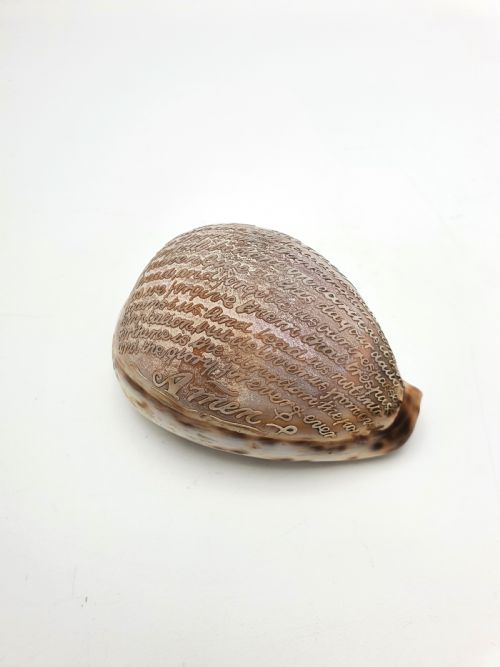
Among the natural history specimens, an unusual cowrie shell carved with the Lord's Prayer sits alongside standard butterfly displays.
What varies in quality
The refinement of the timber work and the precision of the marquetry inlay distinguish standard production furniture from superior examples.
Design complexity marks the tier of a piece, separating simple glazed boxes from sophisticated kidney-shaped or octagonal bijouterie tables with tapered legs.
The original condition of internal linings, glass panes, and operational brass hardware heavily influences the overall integrity of the piece.
James Gardner of London·Hutchings of Aberystwyth·W & A K Johnston
The Edwardian Curiosity Cabinet Glossary
- Bijouterie table
- A glass-topped display table specifically designed for showing small ornaments, jewellery, and natural curiosities. These pieces usually feature hinged lids for easy access to the velvet-lined interior.
- Vitrine
- A glass display cabinet or pedestal designed to protect and exhibit fragile objects. They stand on legs or pedestals to elevate the display within a room.
- Marquetry
- Decorative wood veneer arranged in detailed patterns and pictures on furniture surfaces. Craftsmen assemble contrasting wood types to create geometric or floral motifs.
- Taxidermy
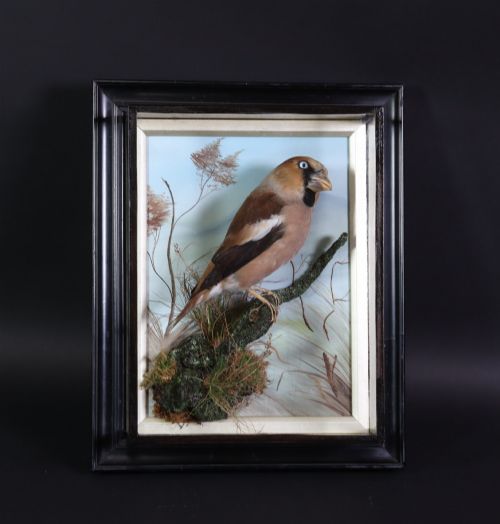
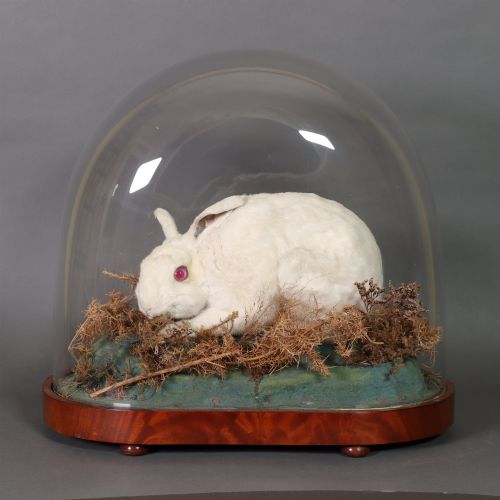
- The art of preparing, stuffing, and mounting the skins of animals for display. Historical specimens range from single birds in oak cases to domestic pets and large mammals.
- Satinwood
- A durable, yellowish timber prized for its lustrous sheen and smooth grain. Cabinet makers used this wood for fine inlay work and decorative banding.
Edwardian Curiosity Cabinet: Frequently Asked Questions
What went inside an edwardian curiosity cabinet?
These cabinets held natural history specimens, seashells, butterfly displays, and small carved artefacts collected during travels or scientific pursuits.
Owners curated these spaces to display their personal interests and intellectual curiosity to visiting guests.
How do I clean the glass and wood?
Use a soft, dry cloth for polished mahogany and satinwood surfaces to maintain the finish without moisture damage. Apply gentle glass cleaner to a cloth rather than spraying directly near historical wood frames.
Avoid commercial polishes containing silicone, which can penetrate porous antique timber over time.
Are these tables sturdy enough for daily use?
Bijouterie tables and display cabinets function best as static display furniture rather than heavy-use items. The slender legs and glazed hinged lids require careful handling.
Placing them away from direct sunlight protects both the wooden frames and any sensitive textile linings inside.
How do I tell Victorian from Edwardian pieces?
Victorian examples often lean towards heavier dark timbers, elaborate ornamentation, and dense taxidermy arrangements. Edwardian pieces frequently showcase lighter satinwood, cleaner geometric lines, and more restrained inlay patterns.
Construction details like brass fittings and drawer joints also help distinguish the shifts in manufacturing eras.