





Edwardian Country Bench
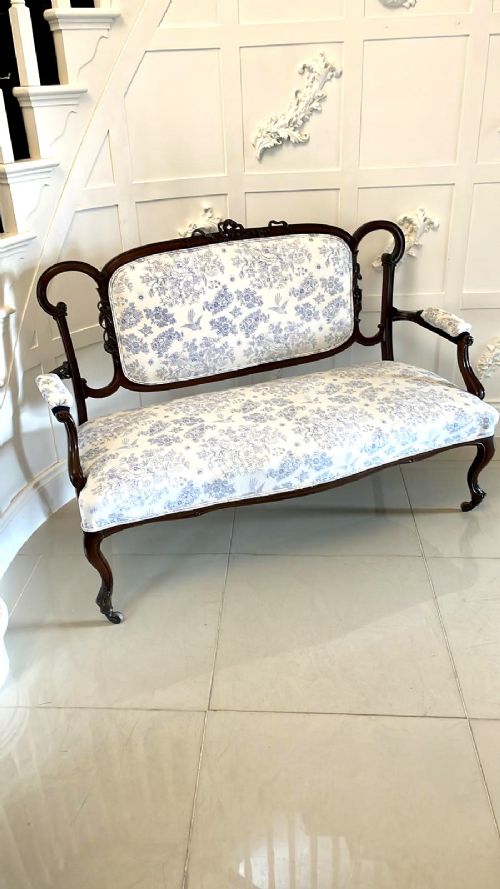
An Edwardian country bench brings honest regional craft into a hallway or garden.
Edwardian Country Bench
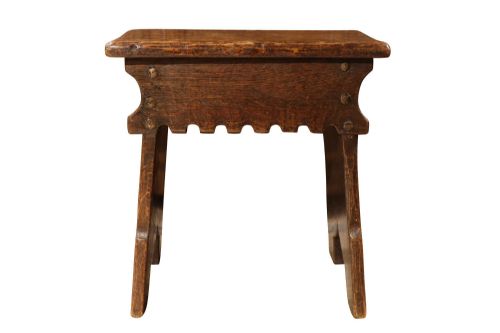
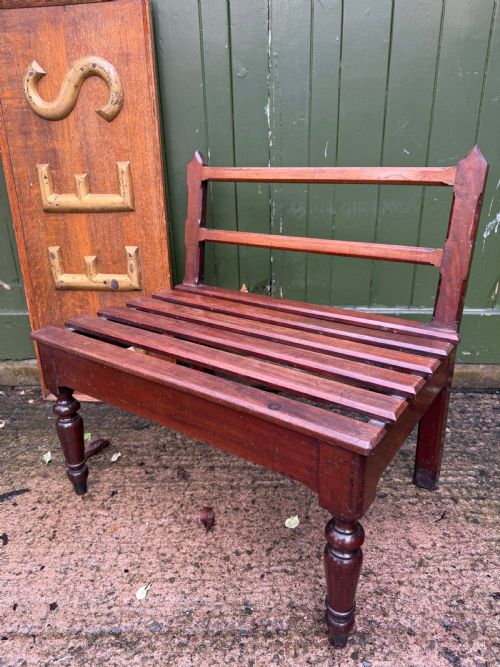
An Edwardian country bench is typically a sturdy seating piece originating from the early twentieth century or the Edwardian period, often reflecting rustic farmhouse or Arts and Crafts traditions. You will encounter hall benches, garden seats, and joined oak examples that combine practical utility with straightforward regional styling.
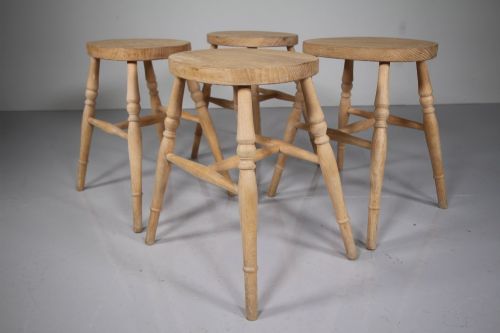
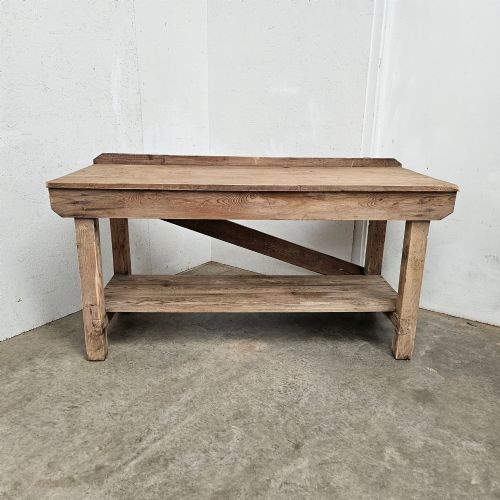
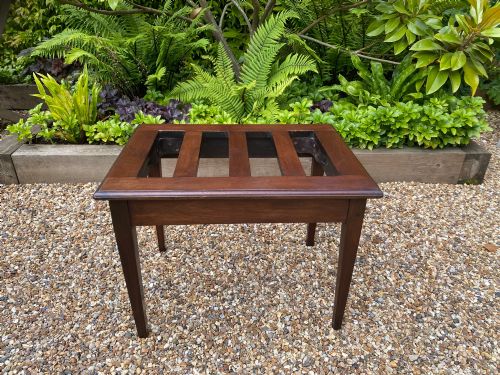
These forms range from tall-backed hall benches with carved details to low garden benches built for outdoor use. Solid oak and pine dominate the selection, frequently utilising pegged construction methods rather than modern metal fasteners.
How they were made
Makers relied on solid hardwoods like oak, alongside working timbers such as pine and teak, shaping them with hand tools to build dependable seating and utility furniture. Pegged construction ensured joints remained tight over decades of daily service in country houses and farmsteads.
Surface finishes were kept simple, often relying on natural wax or plain oil to protect the timber while allowing the grain to show. Where carving appears, it follows regional motifs characteristic of the Arts and Crafts movement or local vernacular traditions.
Edwardian Country Bench Retail Price Guide 2026
Typical asking prices for edwardian country bench among the pieces listed under this phrase on Sellingantiques today, from the lower quarter to the upper quarter. They describe what is for sale here now, not the wider market.
One listed pine piece carries the wonderfully specific historical designation of a pig scratch.
What varies in quality
Quality rests upon the selection of timber and the integrity of the joinery rather than elaborate decoration. Pieces featuring thick oak planks and traditional pegged joints show a higher grade of craftsmanship than lighter constructions.
Proportion and original surface patination also separate standard utilitarian items from finer country house examples. Retaining an untouched timber surface adds significantly to the character of a bench.
The Edwardian Country Bench Glossary
- Pegged construction
- A method of joining wooden components using tight wooden dowels instead of metal nails or screws. This traditional technique allows the wood to expand and contract naturally with seasonal humidity changes.
- Arts and Crafts
- A design movement valuing handcraft, local materials, and simple utility over mass-produced ornamentation. It heavily influenced furniture production around the turn of the twentieth century.
- Hall bench
- A sturdy seat placed in an entrance hallway, often featuring a high back or integrated storage beneath the seat. These served both as practical seating and as grand architectural statements in country houses.
- Patina
- The surface sheen and colour acquired by wood, leather, or metal through age, use, and polishing. A deep patina indicates long years of careful maintenance and natural handling.
Edwardian Country Bench: Frequently Asked Questions
Where should I place an Edwardian country bench?
These benches suit entrance halls, boot rooms, and garden terraces where their sturdy build can withstand daily use. Placing them against a plain wall allows the timber grain and simple proportions to stand out.
Avoid positioning them in direct sunlight or beside active heat sources, as extreme temperature shifts can cause old timber to split.
Are these benches suitable for outdoor use?
Only specific timber varieties like teak or treated oak designed for exterior settings should remain outside year-round. Most indoor hall benches lack weatherproof finishes and will degrade rapidly if exposed to rain.
Keep indoor pieces within sheltered porches or interior spaces to protect their historical joints and surfaces.
How do I date an Edwardian bench?
Examine the construction methods, tool marks, and fastener types visible on the underside or inside of the frame. Edwardian pieces often display a blend of traditional hand-shaping and early machine assistance.
Compare the timber species and carving style against documented examples from the period to confirm the era of manufacture.