



Edwardian Corner Stand
An edwardian corner stand puts unused room angles to work, combining practical display space with period character in rich timber.
Edwardian Corner Stand
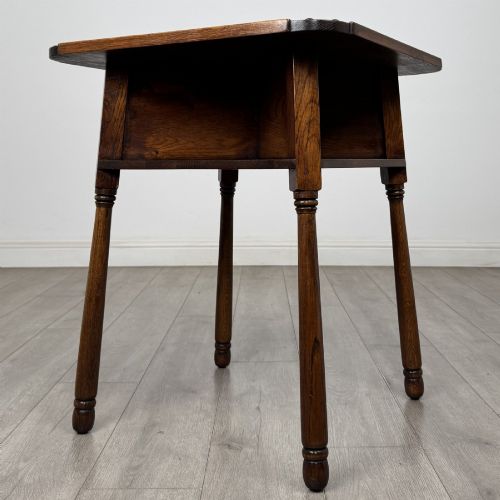
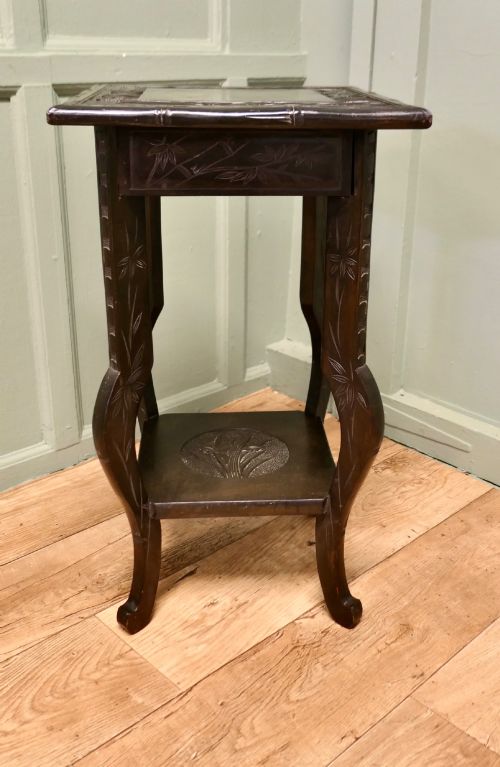
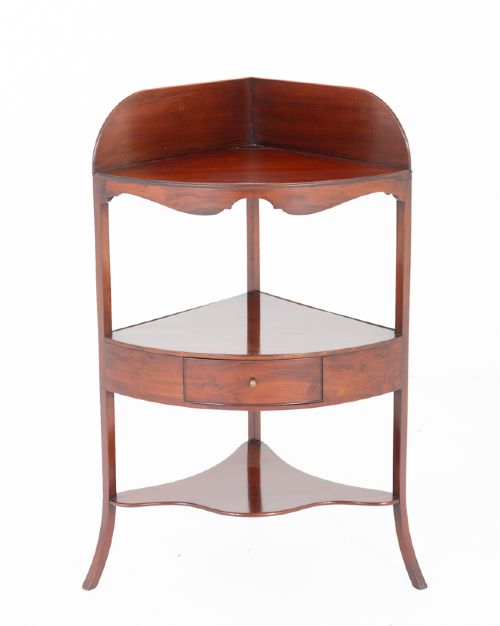
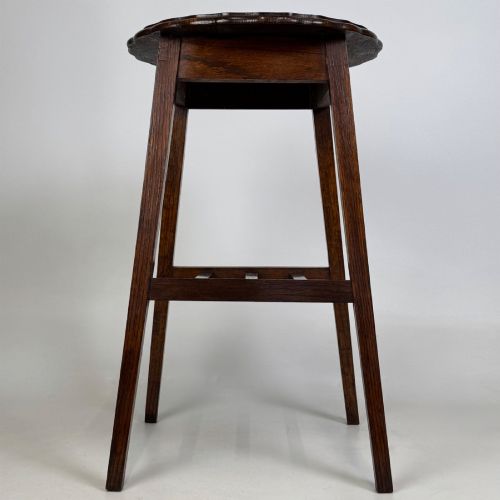
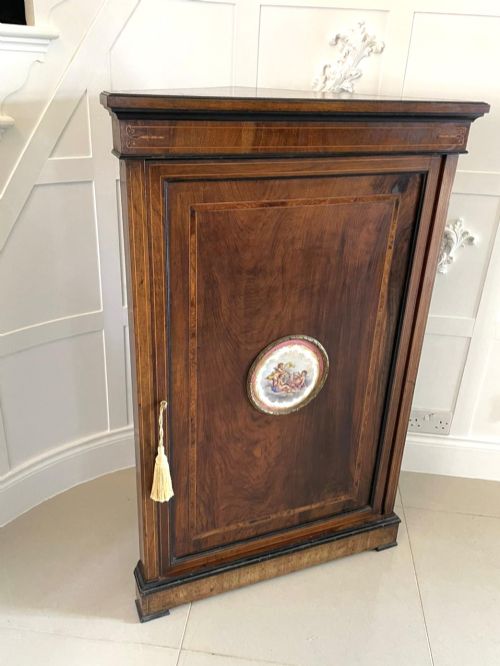
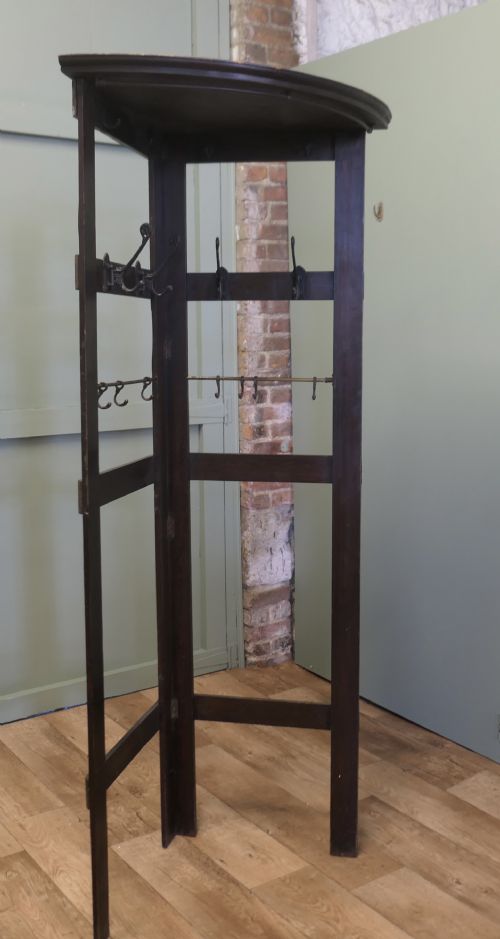
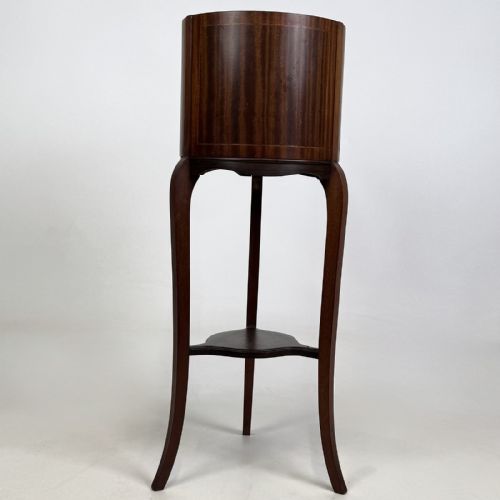
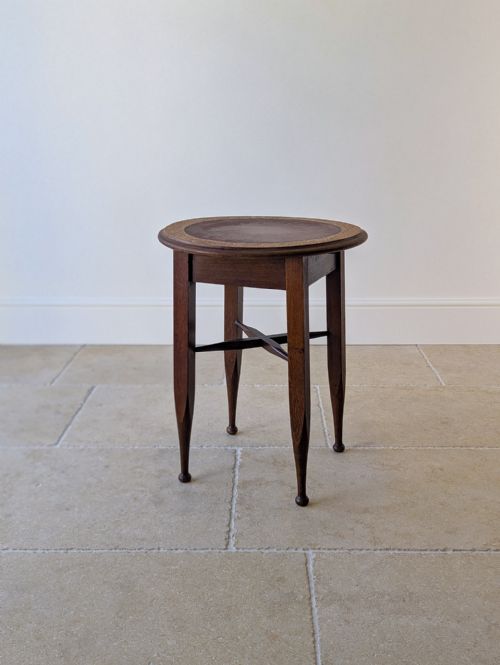
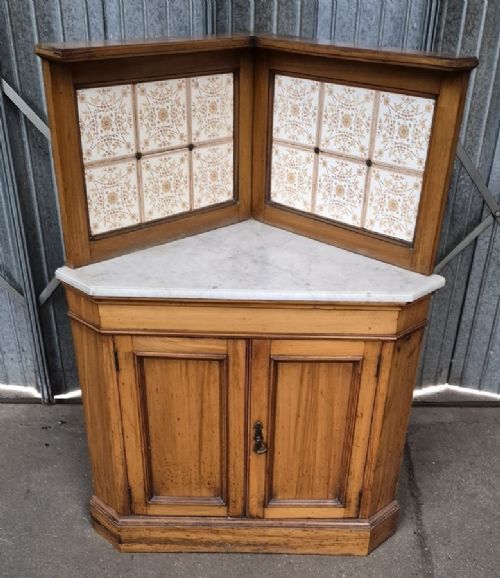
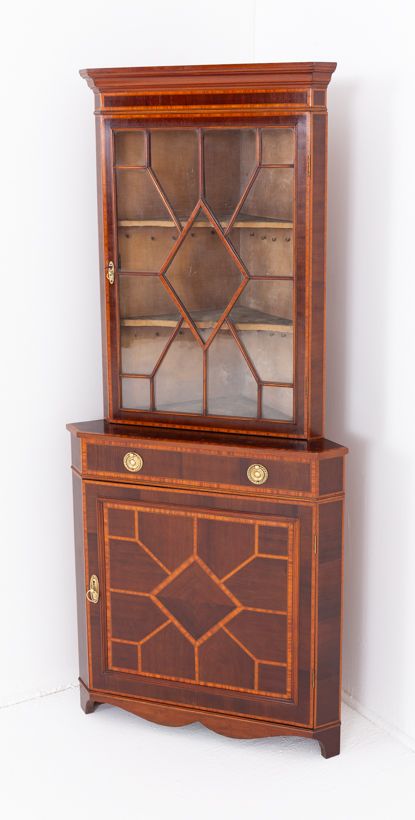
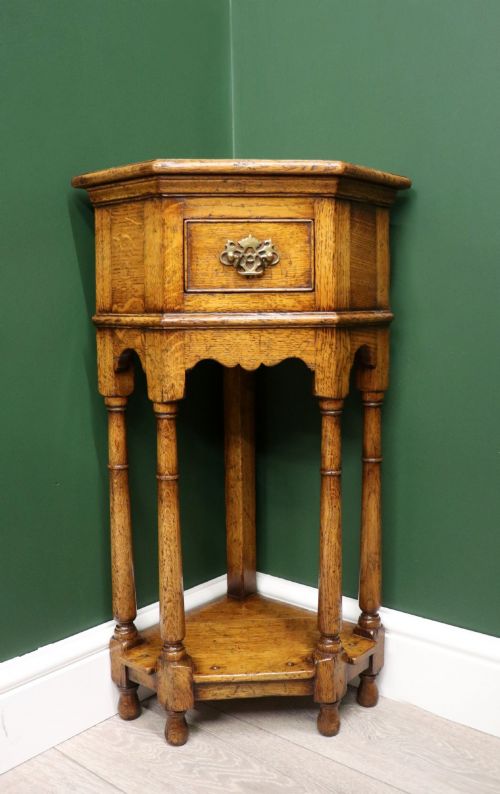
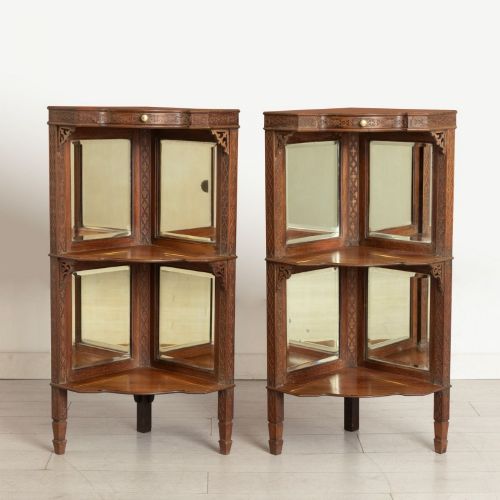
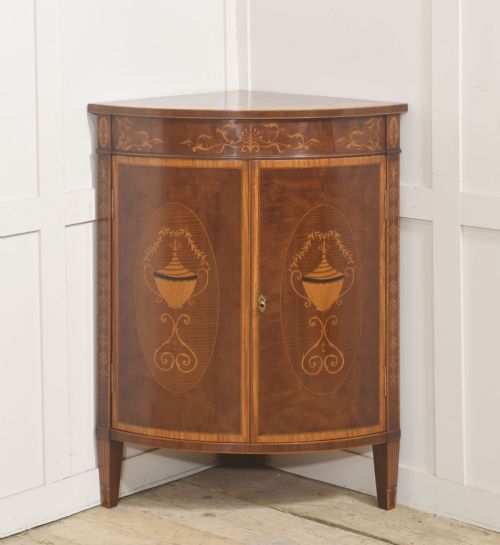
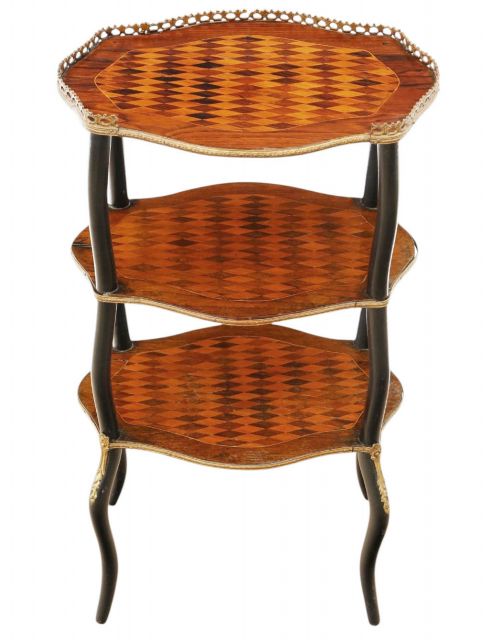
When you search for an edwardian corner stand, you encounter pieces designed to fit snugly into room angles, making efficient use of awkward spaces. The selection ranges from compact plant stands and display shelves to floor-standing glazed corner cabinets and double-height cupboards.
Most examples date from the Edwardian period and around nineteen hundred, though you will also see Victorian and later iterations. Makers drew heavily on Sheraton Revival and Arts and Crafts styles, producing both utilitarian oak forms and finely inlaid mahogany pieces.
Materials and construction
Makers relied predominantly on mahogany, oak, and walnut, often accentuating the primary timber with contrasting satinwood inlay or marquetry details. Brass hardware, glass door panels, and occasional marble tops appear across various forms.
Joinery techniques matched the functional demands of corner furniture, utilising sturdy frames and fitted shelving to support display items or heavier objects.
Edwardian Corner Stand Retail Price Guide 2026
Typical asking prices for edwardian corner stand among the pieces listed under this phrase on Sellingantiques today, from the lower quarter to the upper quarter. They describe what is for sale here now, not the wider market.
Materials appearing across the selection include mahogany, oak, walnut, rosewood, satinwood, brass, and glass.
Distinctions in quality
Quality rests primarily in the choice of timber and the execution of decorative details like fine stringing, marquetry, and brass fittings. Pieces bearing attribution to established workshops display a superior crispness in carving and timber selection.
The architectural proportion and integration of glazed doors or tiered shelves separate standard utility items from finer decorative examples.
Edwards & Roberts·Walker & Sons
The Edwardian Corner Stand Glossary
- Sheraton Revival
- A late nineteenth and early twentieth-century design movement drawing inspiration from the neoclassical furniture of Thomas Sheraton. It frequently employs satinwood inlay, tapered legs, and refined proportions.
- Marquetry
- The art of applying decorative veneer pieces to a structure to form elaborate pictorial or geometric patterns. It appears frequently on cabinet doors and tabletops.
- Etagere
- A piece of furniture consisting of a set of open shelves for displaying small objects or ornaments. These often stand freestanding or occupy corner spaces.
- Glazed door
- A frame fitted with glass panes to enclose shelves while permitting visibility of the contents. This feature protects displayed ceramics and books from dust.
Edwardian Corner Stand: Frequently Asked Questions
Where should I put an edwardian corner stand?
These pieces fit naturally into empty room angles where standard rectangular furniture proves too bulky. They anchor a neglected corner while providing useful surface area or display capacity.
Placement depends on the height and form, with low plant stands suiting empty hearth sides and taller cabinets anchoring dining or hallway spaces.
How do I identify a sheraton revival piece?
Sheraton Revival items typically feature light mahogany or satinwood timbers embellished with delicate floral or geometric inlay. Tapered legs and classical proportions provide strong visual clues.
Such pieces date predominantly from the late nineteenth and early twentieth centuries rather than the eighteenth century.
Can I use an edwardian corner stand for storage?
Enclosed cupboard versions offer concealed storage for crockery, glassware, or books behind wooden or glazed doors. Open tier models suit display purposes rather than heavy storage.
Internal shelf depth varies according to the overall footprint, so check dimensions for specific storage needs.
What is the difference between an etagere and a corner cabinet?
An etagere consists of open shelves designed entirely for display, whereas a corner cabinet usually incorporates enclosed storage behind doors. Both occupy room angles but serve different functional roles.
Open shelving emphasises decorative objects, while enclosed cabinets protect contents from dust and light.