




Edwardian Corner Plant Stand
An Edwardian corner plant stand brings vertical green life and architectural form to neglected angles of a room.
Edwardian Corner Plant Stand
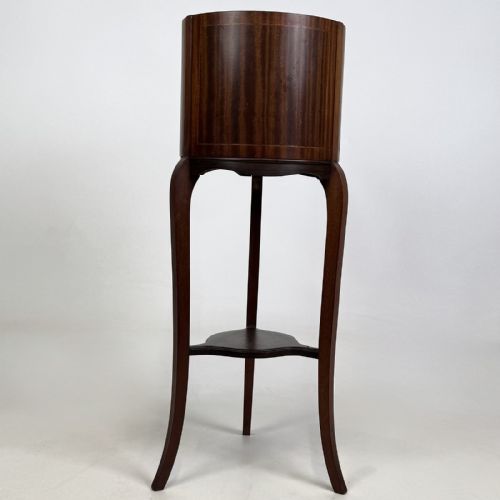
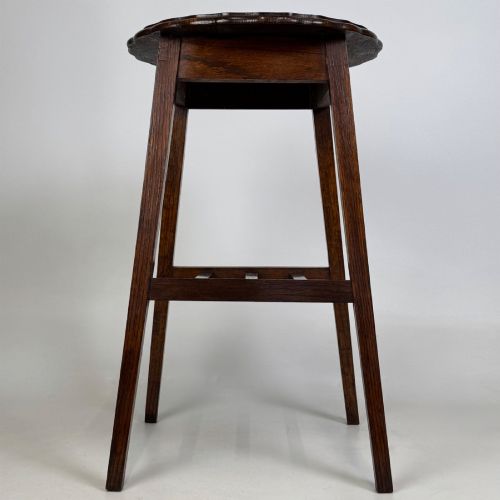
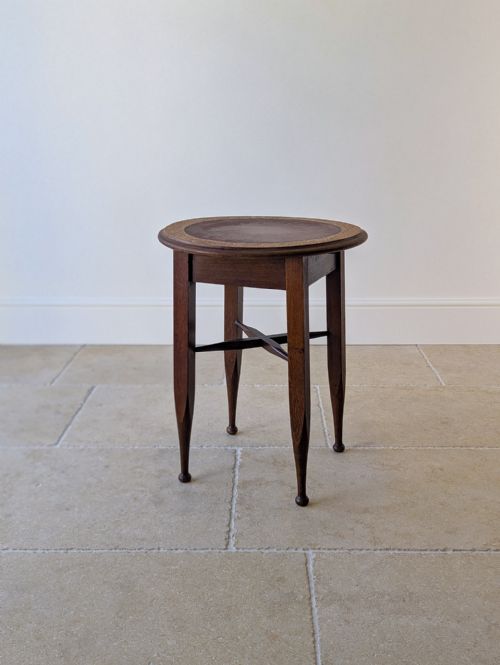
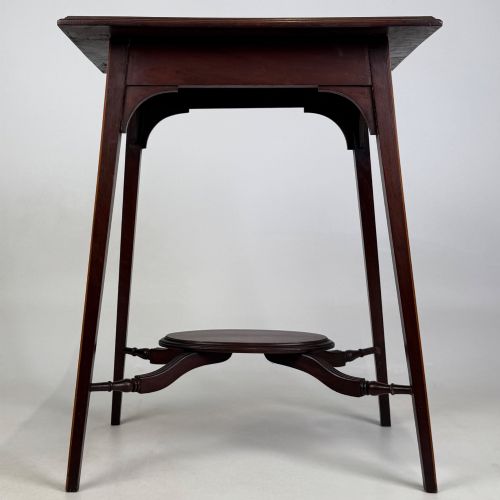
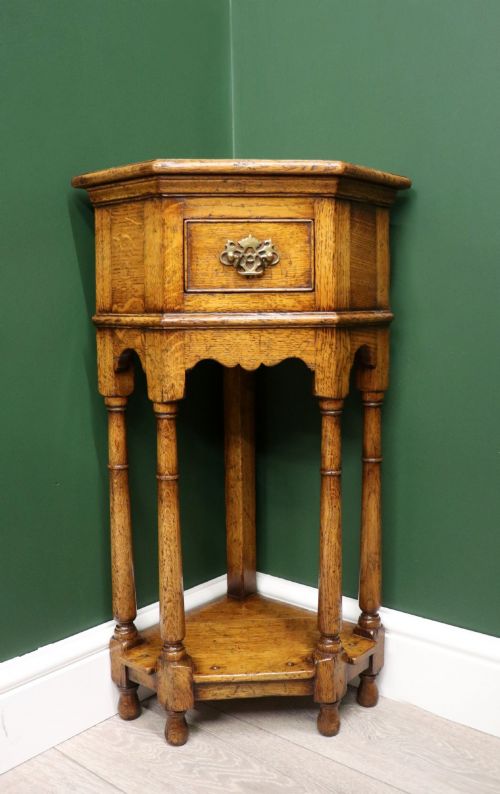
The edwardian corner plant stand encompasses occasional tables, side tables, and specialised plant stands designed to fit snugly into room angles. These pieces utilise woods such as mahogany, oak, walnut, and beech, frequently appearing in forms like the edwardian corner plant stand.
Most examples date from the edwardian period and the early twentieth century, though variations span from the nineteenth century through the nineteen-fifties. Makers and designers applied styles ranging from arts and crafts and sheraton revival to english country traditions.
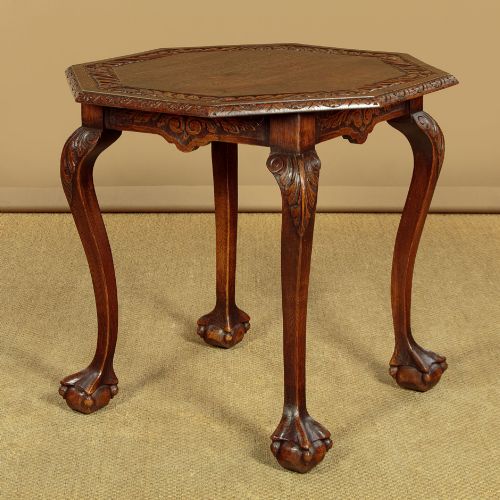
Buyers encounter multi-tiered structures, six-sided tops, and corner tables that serve equally well for display or as occasional surfaces. The selection reflects domestic priorities of the era, combining botanical display with practical furniture.
Construction and materials
Cabinetmakers constructed these stands using solid timbers like oak and mahogany, often enhanced with satinwood inlay and boxwood details. Surfaces show turned legs, carved hardwood details, and slatted iron riveted construction on industrial examples.
Makers utilised traditional joinery to support the weight of pots and decorative objects across multiple tiers. Materials such as marble tops and ebonised wood appear alongside hand-carved elements from workshops like Liberty of London.
Edwardian Corner Plant Stand Retail Price Guide 2026
Typical asking prices for edwardian corner plant stand among the pieces listed under this phrase on Sellingantiques today, from the lower quarter to the upper quarter. They describe what is for sale here now, not the wider market.
Several stands include clever two-tier designs that secretly double your floor space for displaying ferns.
Assessing quality and craftsmanship
Quality rests in the selection of timber, the crispness of carved details, and the precision of satinwood inlay. Finer pieces demonstrate thoughtful proportion and stable joinery that supports heavy earthenware pots without wobble.
Simpler vernacular examples rely on straightforward turned legs and solid oak construction, whereas revival pieces showcase refined stringing and polished mahogany surfaces. The integration of decorative elements distinguishes standard utility pieces from workshop-produced items.
Liberty of London
The Edwardian Corner Plant Stand Glossary
- Satinwood inlay
- A decorative technique where contrasting light satinwood is fitted into recesses within a darker primary wood. This method creates geometric or floral borders on tabletops and stands.
- Arts and Crafts
- A design movement valuing handcraftsmanship, simple construction, and honest materials over mass production. Pieces in this style often display visible joinery and plain oak surfaces.
- Occasional table
- A small, moveable table designed for a specific, transient purpose within a room. These include corner tables, plant stands, and two-tier display pieces.
Edwardian Corner Plant Stand: Frequently Asked Questions
What is an edwardian corner plant stand used for?
These stands were originally designed to hold potted plants in domestic parlours and drawing rooms, making use of awkward architectural angles. Their elevated tiers allowed greenery to catch maximum light without obstructing floor space.
Today, they function similarly in modern interiors, holding trailing plants, lamps, or decorative objects. Their compact footprint makes them particularly useful in smaller hallways and living areas.
How do I identify an edwardian piece?
Edwardian furniture generally exhibits lighter proportions and brighter wood tones than heavy Victorian predecessor pieces. Common indicators include subtle inlay work, tapered legs, and transitional styles drawing on Sheraton or Arts and Crafts influences.
Examining the underside and interior construction helps confirm period authenticity. Machine-cut screws or modern adhesives point to later manufacture, while hand-cut joinery aligns with early twentieth-century production.
Are these stands sturdy enough for heavy pots?
Most pieces were built to support substantial terracotta or ceramic planters filled with damp soil. The structural integrity depends on tight joinery and stable leg placement rather than sheer weight of the wood.
Multi-tiered models distribute weight across several levels, while corner designs naturally brace against two walls. Checking the stability of the joints ensures the stand safely bears heavy decorative items.
Where should I place a corner stand?
As the name suggests, these pieces fit neatly into room intersections that standard rectangular furniture leaves empty. They soften hard angles and draw the eye upward when populated with trailing foliage.
Placing them near windows provides adequate light for living plants, while darker corners benefit from pale woods or reflective marble surfaces. They also serve as display plinths for sculptures or ceramics.