

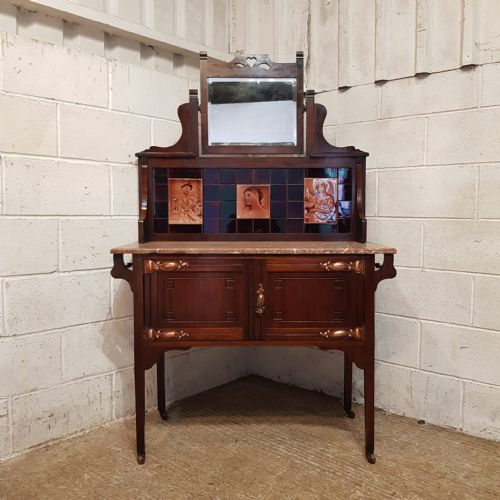


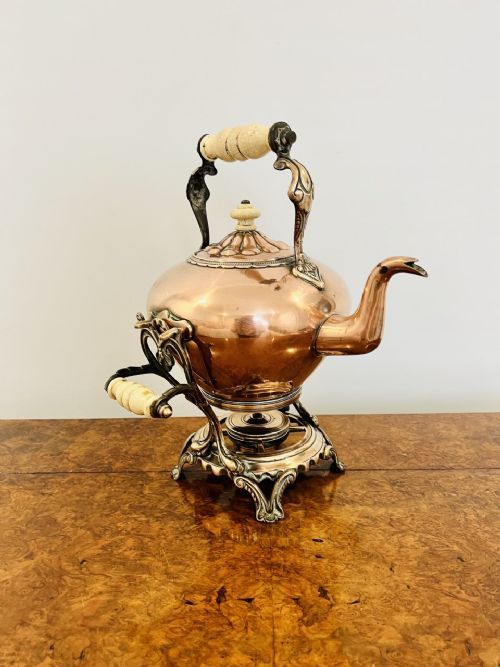
Edwardian Copper Table
An edwardian copper table brings warmth and tactile surface to a room, combining practical metalwork with period timber framing.
Edwardian Copper Table
When you search for an edwardian copper table, you encounter pieces originating primarily from the early twentieth century alongside related Arts and Crafts and Victorian examples. These forms often incorporate beaten metal panels set into wooden frames, bringing together utilitarian durability and domestic decorative arts.
The material combination brings distinct texture to furniture, pairing warm metallic surfaces with oak or other timbers. These items span functional occasional pieces and decorative accessories that reflect the material experimentation of the period.
How they were made
Makers constructed these items using sheet copper shaped by hand, often securing the metal over timber carcases or supporting frames made of oak and mahogany. Artisans employed hand-beating techniques to create textured surfaces, sometimes adding chased floral decoration or setting cabochons directly into the metal.
Brass fittings and structural elements frequently accompany the copper components, providing contrast and mechanical strength where hinges, stands, or burner assemblies require durability.
Edwardian Copper Table Retail Price Guide 2026
Typical asking prices for edwardian copper table among the pieces listed under this phrase on Sellingantiques today, from the lower quarter to the upper quarter. They describe what is for sale here now, not the wider market.
Listings show materials including copper, brass, oak, mahogany, glass, and ceramic spanning Victorian and early twentieth-century periods.
What varies in quality
Quality rests upon the depth of hand-working in the metal and the integrity of the underlying joinery. Heavier gauge copper panels and crisp, deliberate hammering distinguish superior examples from lighter, purely decorative items.
The integration between the metal top or panels and the wooden structure demonstrates the maker's skill. Thoughtful proportion and clean joints elevate a piece above standard workshop production.
W A Benson
The Edwardian Copper Table Glossary
- Arts and Crafts
- A design movement prioritising hand-craftsmanship and natural materials over mass production. This style heavily influences the metalwork and construction seen on these tables.
- Cabochon
- A polished, unfaceted gemstone or ceramic piece set flush into a mounting. In this context, Ruskin ceramic cabochons frequently accent copper surfaces.
- Chased decoration
- Metal ornamentation sunk below the surface using a hammer and punches rather than cut away. This technique creates low-relief floral and geometric patterns.
- Beaten copper
- Sheet metal worked by hand with hammers to form a textured surface. This process leaves characteristic hammer marks that demonstrate manual fabrication.
Edwardian Copper Table: Frequently Asked Questions
What is an edwardian copper table?
An edwardian copper table is a piece of furniture incorporating beaten or sheet copper panels, often produced within the Arts and Crafts aesthetic.
These items utilise timber frames such as oak alongside metal tops or insets, reflecting early twentieth-century domestic design trends.
How do I clean copper furniture?
Cleaning depends on whether you wish to maintain the aged patina or brighten the metal surface. Gentle dusting and mild soapy water preserve the historic finish without stripping character.
Harsh chemical abrasives damage hand-beaten finishes and remove the natural oxidation accumulated over decades.
Are these tables sturdy?
Construction relies on solid timbers like oak and mahogany, providing substantial structural support beneath the metal components. Traditional joinery ensures these items remain functional for daily use.
Care should be taken with older joints and fixings, which benefit from stable indoor humidity and minimal strain.
How do I identify Arts and Crafts pieces?
Arts and Crafts items display visible hand-craftsmanship, including hammer marks on copper, exposed joinery, and stylised natural motifs such as seed pods.
Makers avoided excessive industrial machinery, favouring honest construction and direct expression of materials.