




Edwardian Copper Lighting
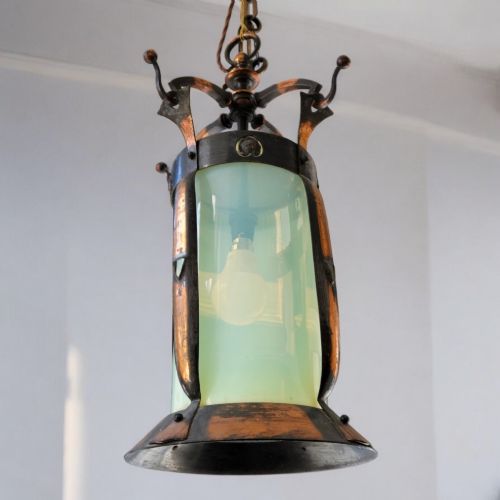
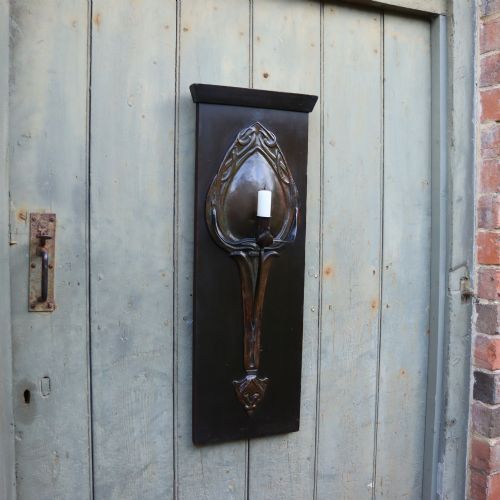
Edwardian copper lighting brings warm metal surfaces and honest hand-hammered detail to domestic interiors through hanging lanterns, wall sconces and standard lamps.
Edwardian Copper Lighting
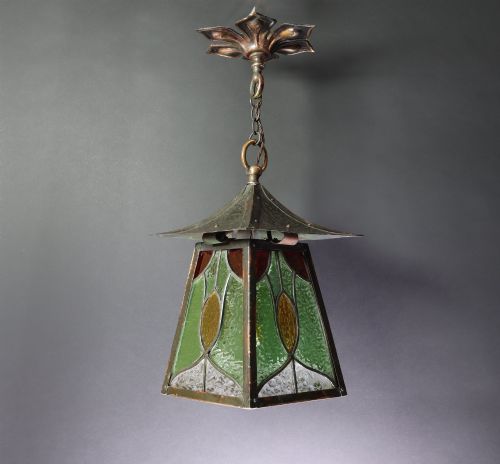
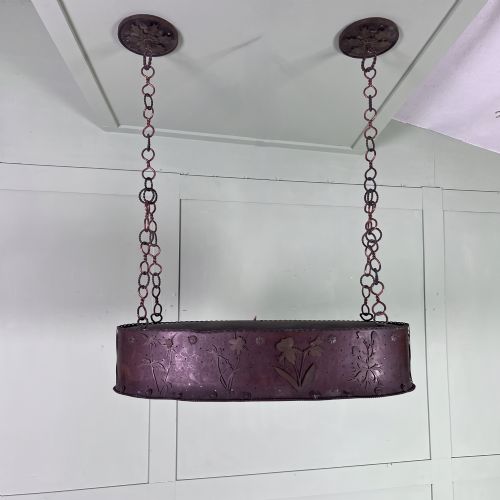
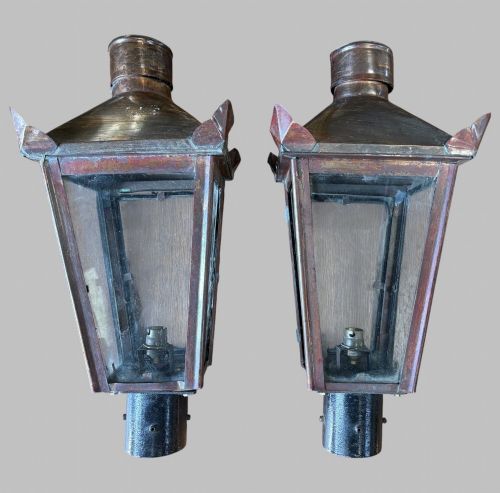
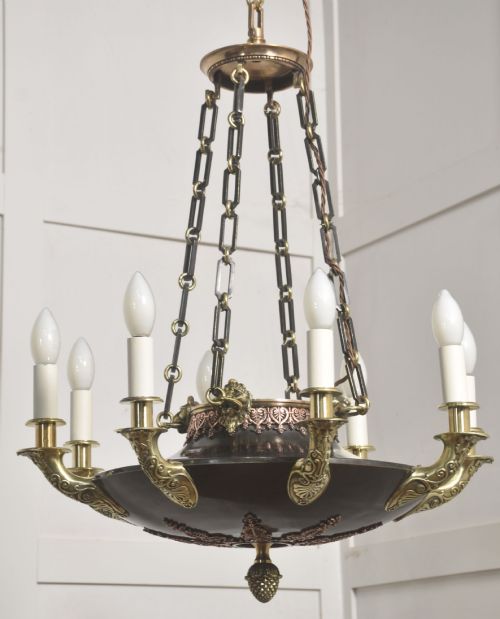
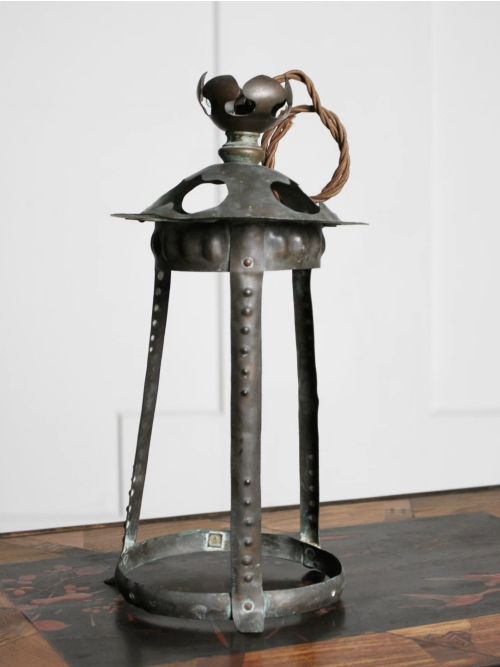
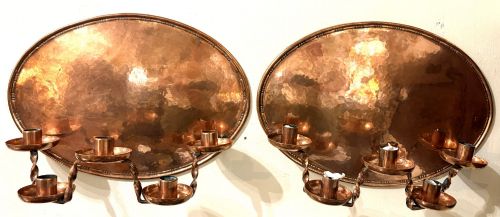
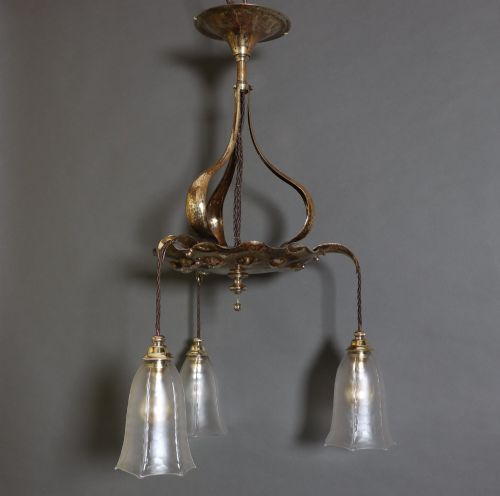
Edwardian copper lighting encompasses a diverse range of functional metalwork produced around the turn of the twentieth century, bridging the late Victorian era and the early twentieth century. When exploring edwardian copper lighting, buyers encounter domestic and exterior fittings including floor lamps, pendant lights, chandeliers, and wall sconces. Many of these survivals belong firmly to the Arts and Crafts movement or exhibit Art Nouveau styling alongside utilitarian street and porch lanterns.
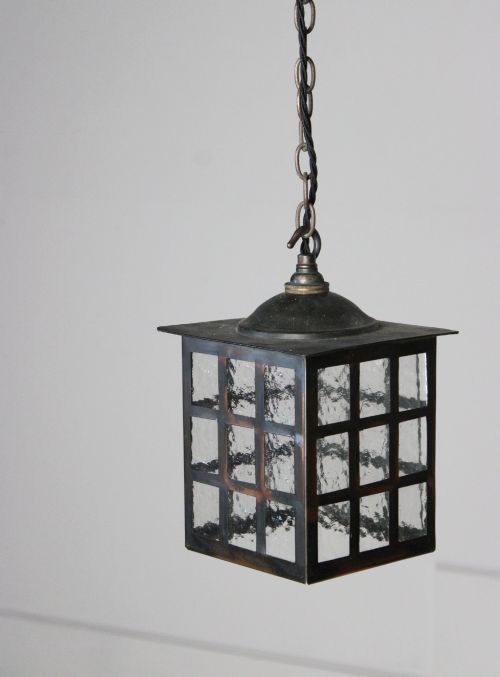
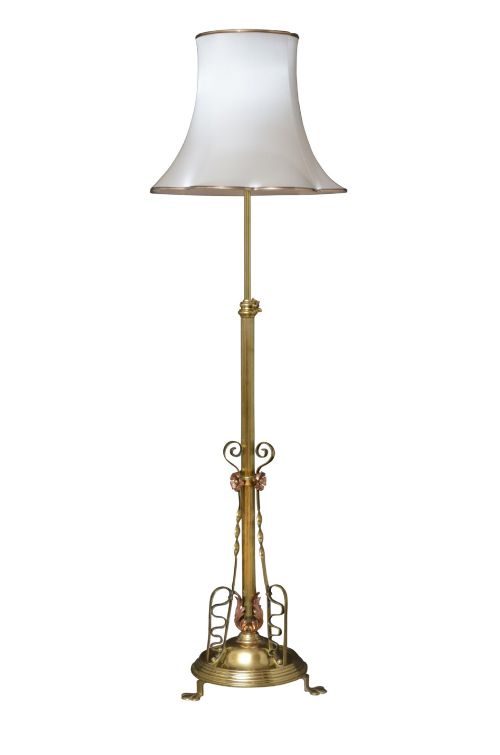
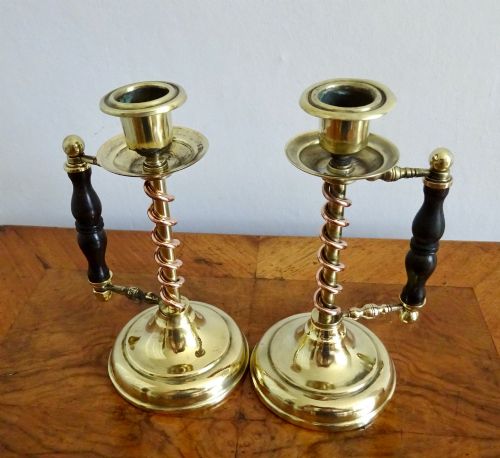
The objects recorded span domestic floor standing oil lamps, wall lights, and hanging ceiling fixtures designed to burn gas or oil before later conversion to electricity. Exterior coach-house lanterns, post lanterns, and ships lanterns sit alongside interior chambersticks and table lamps in copper and brass. These domestic and architectural forms rely on robust construction methods suited to both indoor ambience and weather-resistant outdoor use.
How Edwardian copper lighting was made
Makers fashioned these pieces primarily from sheet copper and brass, often combining iron, wrought iron, and lead for structural support and glazing. Panels of stained glass appear within leaded frames on hanging lanterns and wall lights, while glass shades and reservoirs house the light source in standard and table lamps.
Techniques relied heavily on hand-working metal, notably planishing and beating copper sheets to create textured, light-reflecting surfaces that define the Arts and Crafts aesthetic. Makers joined components using rivets, solder, and brass fixings, frequently incorporating adjustable mechanisms into standard lamps and incorporating patinated verdigris finishes on exterior coach-house fixtures.
Edwardian Copper Lighting Retail Price Guide 2026
Typical asking prices for edwardian copper lighting among the pieces listed under this phrase on Sellingantiques today, from the lower quarter to the upper quarter. They describe what is for sale here now, not the wider market.
Recorded styles span Arts and Crafts, Victorian, Edwardian, Art Nouveau, Maritime, and Empire Revival.
What varies in quality in Edwardian copper lighting
Quality rests upon the integrity of the metalwork, the depth and execution of the hand-hammered surface texture, and the retention of original components. Pieces displaying crisp planishing marks and robust gauge copper stand apart from lighter, purely utilitarian pressings, while designated maker attributions or distinct stylistic influences elevate certain items.
The complexity of design and the survival of original glass elements, such as leaded stained-glass panels or cranberry glass oil reservoirs, dictate the tier of an object. The treatment of patination, the neatness of riveted joints, and the survival of functional brass adjustment mechanisms further differentiate standard production items from ambitious workshop pieces.
W A S Benson·Foster And Pullen Bradford·Birmingham Guild Of Handicraft
The Edwardian Copper Lighting Glossary
- Planishing
- The process of hammering metal sheet with a smooth-faced hammer to refine its shape and create a faceted surface texture. This technique produces the characteristic shimmering finish seen on Arts and Crafts metalwork.
- Verdigris
- A green patina formed naturally on copper and brass through atmospheric exposure over time. Makers also applied chemical treatments to achieve this aged surface on exterior lanterns.
- Chamberstick
- A short candlestick fitted with a wide pan and a loop handle, designed to be carried by hand around a house. In copper, these items frequently display Arts and Crafts hand-beaten details.
- Standard lamp
- A tall floor-standing lamp base designed to support an oil reservoir or electrical fitting. These pieces often incorporate adjustable brass height mechanisms.
- Leaded glass
- Individual pieces of glass joined together by strips of lead channel called cames. This technique frames coloured or clear glass panels within hanging and wall-mounted lanterns.
Edwardian Copper Lighting: Frequently Asked Questions
What periods do these copper lights come from?
The pieces span the late nineteenth century through to the early twentieth century, encompassing Victorian, Edwardian, and Arts and Crafts eras.
Production dates cluster around eighteen-eighty to nineteen-twenty, capturing a period of transition in domestic and architectural illumination.
Were these lights originally electrified?
Many examples began life burning oil or gas before being converted for modern electrical use by subsequent owners.
Interior and exterior lanterns frequently retain evidence of their original fuel sources alongside updated internal wiring.
How do I identify Arts and Crafts copper lighting?
Look for visible hand-beaten or planished surfaces, riveted construction, and honest use of materials like copper, brass, and wrought iron.
These pieces typically avoid excessive machine ornamentation in favour of form dictated by function and craftsmanship.
Can exterior copper lanterns be used outside today?
Many exterior post, porch, and coach-house lanterns were built robustly from copper and iron to withstand outdoor weather conditions.
Their durable construction and natural patination make them suitable for contemporary garden and entrance installation once checked by an electrician.