



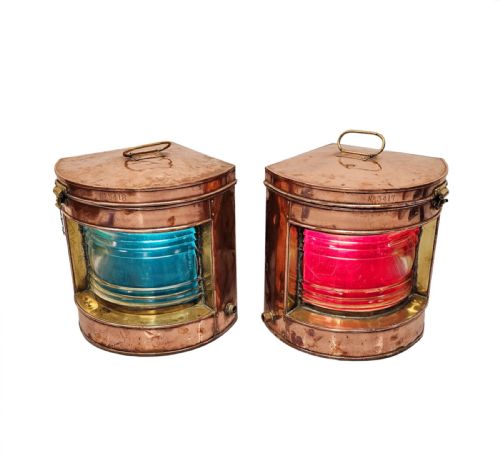

Edwardian Copper Decor
Edwardian copper decor brings practical metalwork and decorative warmth into rooms through pieces made around the turn of the twentieth century.
Edwardian Copper Decor
When you search for edwardian copper decor, you encounter a varied selection of functional metal items, desk accessories, and fireside ornaments produced during the early twentieth century. These domestic and decorative objects reflect the tastes of the Edwardian era alongside influences from the Arts and Crafts and Art Nouveau movements.
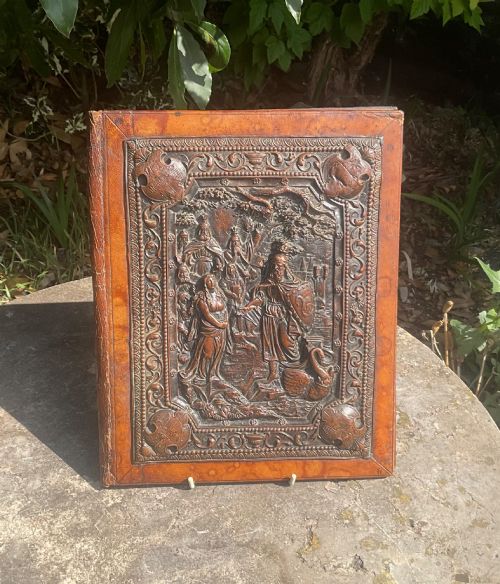
The pieces on this page span wall plaques, tobacco items, vases, and lanterns, often combining copper with brass, wood, or enamel. Such items demonstrate how utilitarian metals were shaped for display and daily use in homes of the period.
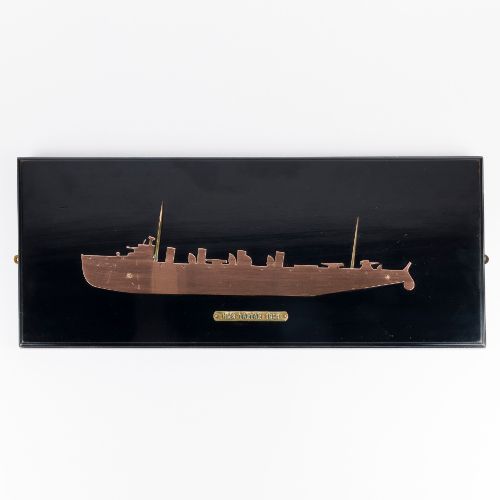
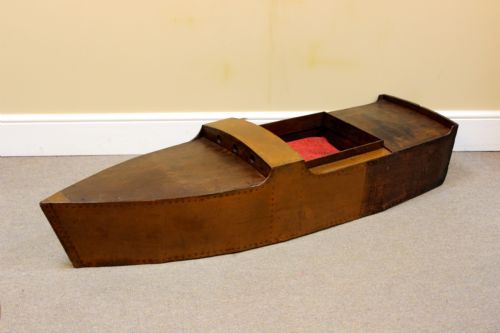
You are most likely to meet utilitarian or commemorative copper items originating from the 1900s to the 1920s. These include fireside boxes, model boats, and relief plaques that capture the industrial and maritime interests of the era.
Materials and construction
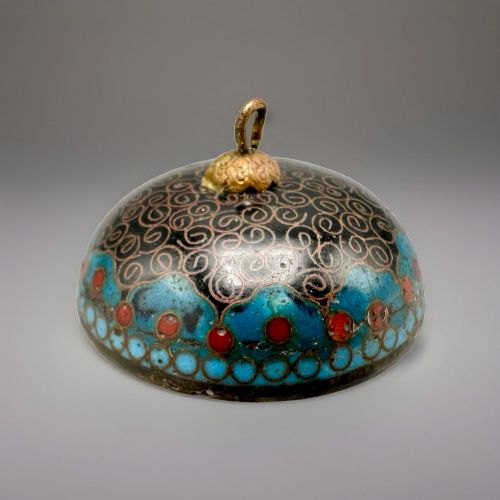
Makers utilised sheet and cast copper, frequently combining it with brass fittings, wooden mounts, and cloisonne enamel detailing. These metals were beaten, embossed, or cast to form vessels, plaques, and lanterns.
Surface decoration relies on relief work, engraving, and applied enamel rather than complex machinery. This approach highlights the tactile qualities of the metal and the hand of the maker in domestic accessories.
Edwardian Copper Decor Retail Price Guide 2026
Typical asking prices for edwardian copper decor among the pieces listed under this phrase on Sellingantiques today, from the lower quarter to the upper quarter. They describe what is for sale here now, not the wider market.
A dentist collection containing sign and human teeth samples sits alongside the copper vessels and model boats.
Assessing quality in copper pieces
Quality rests in the crispness of the relief work, the integrity of the joins between copper and brass, and the preservation of original patination. Pieces with distinct hand-hammered details or fine enamel inlay display superior execution.
The thickness of the metal and the stability of mounts, whether wood or brass, distinguish better examples from simpler mass-produced items. Consideration of proportion and decorative balance completes the assessment.
The Edwardian Copper Decor Glossary
- Cloisonne Enamel
- A technique where enamel paste is applied within compartments created by soldered wires on a metal base. This adds vibrant colour and pattern to decorative items.
- Patina
- The natural surface change and coloration that develops on copper and brass over decades of exposure to air and handling. It indicates age and genuine use.
- Repoussé
- A metalworking method where the sheet copper is hammered from the reverse side to form a raised design on the front. This creates texture and dimension on plaques and vessels.
- Tobacciana
- Items associated with the consumption or storage of tobacco, such as ashtrays and desk accessories. These were common forms for decorative metalwork.
Edwardian Copper Decor: Frequently Asked Questions
What is edwardian copper decor?
Edwardian copper decor comprises domestic items, plaques, and desk accessories produced in copper during the early twentieth century.
These pieces combine practical utility with decorative metalwork styles typical of the period.
How do I care for copper items?
Keep copper pieces clean with a soft cloth and avoid harsh chemical polishes that strip the historic patina.
Display them away from excessive moisture to preserve the surface metal and any attached wood or enamel.
Are these pieces handmade?
Many items feature hand-hammered or repoussé work executed by skilled metalworkers using traditional techniques.
Some domestic objects incorporate mass-produced elements alongside hand-finished decorative details.
How can I date copper decor?
Dating relies on stylistic markers from Art Nouveau and Arts and Crafts movements, alongside maker marks or commemorative dates.
The materials used, such as specific combinations of copper, brass, and cloisonne enamel, also help determine the era.